In today's tea world, aged teas prevail. Marketing promotions emphasize the beneficial aspects of aged teas, but anything stored for long periods must have unfavorable aspects - I wonder if anyone has researched this. Especially old teas that have developed mold due to improper storage. Not only Pu'er and dark tea become more valuable with age, where both buyers and sellers first mention vintage when speaking. White tea (referring to aged white tea), oolong tea, and black tea also carry this aged emphasis. Even green tea is being hyped as aged tea (though due to limited quantities, it hasn't been commercialized).
So, which is better, new tea or aged tea?
Nothing can be generalized. Whether aged tea tastes good varies from person to person - your own preference should always be the primary standard. But there are some patterns regarding which teas improve with aging:
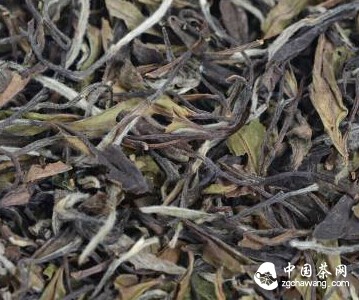
1. Look at the tea leaves' maturity
In principle, mature-leaf teas improve with longer aging, while tender-bud teas are better when fresh. White tea serves as a good example:
1. White Peony Shou Mei, mainly composed of mature leaves with abundant intrinsic substances, gradually mellows out some bitter and astringent compounds through aging, becoming purer over time and developing favorable transformations like zong leaf aroma.
2. White Hair Silver Needle, made from tender buds through natural withering, should be drunk for its fresh flavor. Aged White Hair Silver needle becomes thinner in taste, and aging doesn't enhance its quality, so it's better to drink it fresh.
3. White Peony, made from one bud two leaves原料, falls between Shou Mei and White Hair Silver Needle, where both fresh and aged versions have their distinct styles.
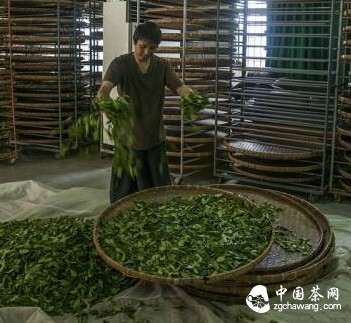
2. Look at the fermentation process
In principle, non-fermented and fully-fermented teas taste better when fresh; lightly-fermented and semi-fermented teas have merits both fresh and aged; post-fermented teas taste better aged. This depends on the role microorganisms play in the transformation process.
1. Non-fermented teas, like green tea, undergo high-temperature quick de-enzyming to preserve amino acids, vitamins, aromatic compounds, etc. The side effect is that microorganisms are basically eliminated. Without microbial transformation later, amino acids, vitamins, aromatic compounds, etc., gradually diminish over time - naturally better fresh.
2. Fully-fermented teas, like black tea, have their active substances completely oxidized through full fermentation, leaving almost nothing for microorganisms to transform, making aging pointless. Considering the time needed for fire energy to dissipate, black tea is generally best consumed within about six months to a year.
3. Lightly-fermented and semi-fermented teas, like Tieguanyin, generally have better aroma when fresh, but some year-old aged teas can surprisingly have more fragrant aromas and mellower flavors. Because of their semi-fermentation, they combine characteristics of green and black teas. Microorganisms have some transformation space. Thus, both new and aged teas have their features, depending on personal preference.
4. Post-fermented teas, like Pu'er, rely entirely on microorganisms for transformation, naturally tasting better with age. But there's a limit - all foods have a shelf life. Generally, ripe Pu'er's drinking value declines after about 20 years of aging. Raw Pu'er can age longer, but beyond 40 years, the aged flavor increases while mellowness decreases, becoming increasingly bland, leaving only historical significance.
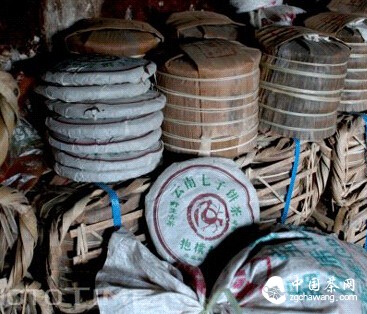
3. Look at storage methods
Different tea types require different aging methods, but the following points should be ensured:
1. Dryness. Because humid environments can produce harmful bacteria like aflatoxin, such aged tea is harmful to health and unsuitable for drinking.
2. Tea must be isolated from contamination while allowing it to breathe, providing an environment for microorganisms to survive. For example, Pu'er tea shouldn't be refrigerated or sealed in plastic bags. It's best wrapped in xuan paper and stored in a ventilated place. Use bamboo husk packaging or store in unglazed zisha clay jars.
3. Due to tea's strong absorbency, it shouldn't be stored in odorous environments, otherwise the longer it ages, the heavier the odors become, worsening over time.
Of course, the above are just general principles - there are always exceptions, so take them as universal patterns! Next time you encounter aged tea, don't be "fooled"!