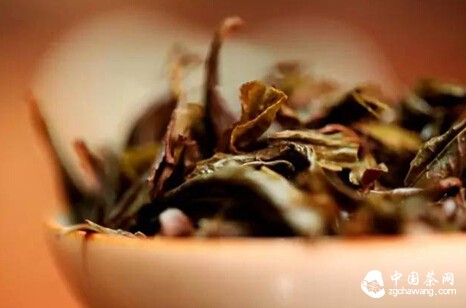
Oolong tea, also known as green tea, was created during the Ming and Qing dynasties. It was developed by tea farmers in Anxi based on green tea processing methods before spreading to northern Fujian, Chaozhou in Guangdong, and later Taiwan. After tasting, it leaves a lingering fragrance and sweet aftertaste. In Japan, it is known as "Beauty Tea" or "Fitness Tea."
Oolong tea has many subcategories with numerous varieties. Examples include: Tieguanyin, Shuixian, Maoxie, Wuyi Rock Tea, Dongding Oolong, Rougui, Qilan, Luohan Chenxiang, Fenghuang Shuixian, Lingtou Dancong, Sezhong, etc. While the specific names are diverse, they can be clarified based on certain classification standards. Now, follow along and take notes!
Origin
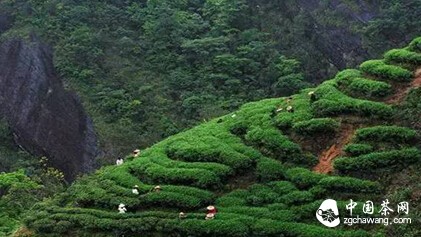
Classified by origin:
Northern Fujian Oolong tea (Wuyi Rock Tea, Da Hong Pao, etc.);
Southern Fujian Oolong tea (Tieguanyin, Qilan, etc.);
Guangdong Oolong tea (Fenghuang Dancong, Fenghuang Shuixian, etc.);
Taiwan Oolong tea (Dongding Oolong, Wenshan Baozhong, etc.).
Shape
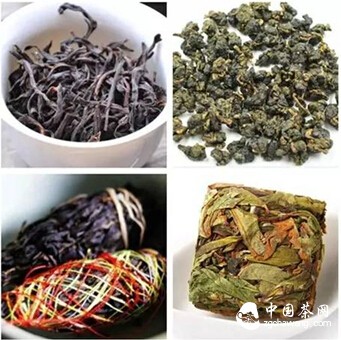
Classified by shape:
Strip-shaped Oolong tea (Wenshan Baozhong, Fenghuang Dancong, etc.);
Hemispherical Oolong tea (Tieguanyin, Dongding Oolong, etc.);
Bundled Oolong tea (Bajiaoting Longxu Tea);
Lump-shaped Oolong tea (Shuixian Cake Tea).
Fermentation Level
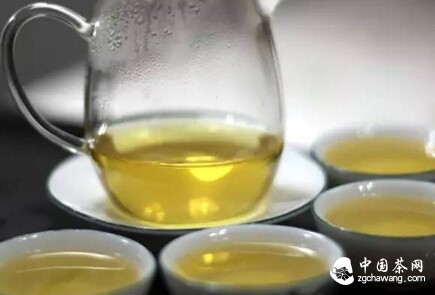
The fermentation level of tea affects the aroma and taste of the tea liquor. Tea enthusiasts can choose and enjoy different Oolong teas based on personal preference.
Based on fermentation level, Oolong tea is generally categorized into lightly fermented tea (approx. 10%–25%), moderately fermented tea (approx. 25%–50%), and heavily fermented tea (approx. 50%–70%). Different Oolong teas have varying fermentation levels. Lightly fermented Oolong undergoes less shaking and fewer shaking sessions, while heavily fermented Oolong undergoes more intense and frequent shaking.
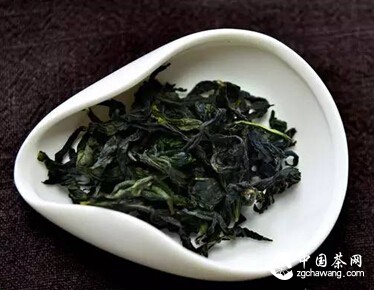
Wenshan Baozhong
Lightly Fermented Oolong Tea
Lightly fermented Oolong tea is represented by Wenshan Baozhong tea and light-scented Tieguanyin. Wenshan Baozhong has the lightest fermentation level among Oolong teas, around 8%–10%. The roasting is also light, making it closer to green tea and unique among Oolongs. It appears as strips with a glossy emerald green color. The liquor is honey-green, bright with a golden hue. The aroma is fresh, elegant, and floral. The taste is mellow, refreshing, with good astringency and a strong sweet aftertaste.
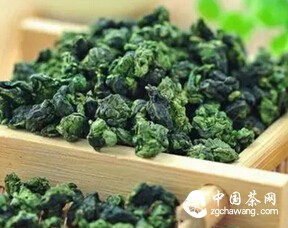
Tieguanyin
Light-scented Tieguanyin is a popular lightly fermented Oolong tea with a fermentation level of 15%–20%. "Clear soup and green water" is the most representative characteristic of light-scented Tieguanyin. Compared to the traditional Fujian Oolong with "green leaves and red edges," the "light-scented" Oolong has distinct "three greens": dry tea is green, liquor color is green, and the brewed leaves are green. After brewing, the aroma is fresh and lasting, the tea liquor is clear and bright, it promotes salivation upon entry, feels smooth and sweet in the throat, has a strong charm, and offers a tender fragrance with a sweet aftertaste.
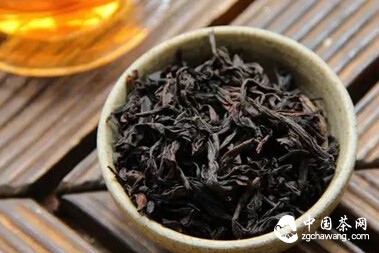
Wuyi Rock Tea
Moderately Fermented Oolong Tea
Traditionally processed "strong-scented" Oolong teas generally have a heavier fermentation level, belonging to the moderate fermentation category. Main representatives include traditionally made Tieguanyin, Wuyi Rock Tea, Northern Fujian Shuixian, and Guangdong Fenghuang Dancong.
For example, Northern Fujian Oolong has a stout, tightly rolled appearance with a bluish-brown, oily luster, commonly called "precious light." The liquor is deep orange-yellow or orange-red, showing a golden ring. The brewed leaves are thick, soft, with a strong, long-lasting floral and fruity aroma, and a rich, mellow, sweet, and refreshing taste. Its fermentation level can generally reach around 50%.
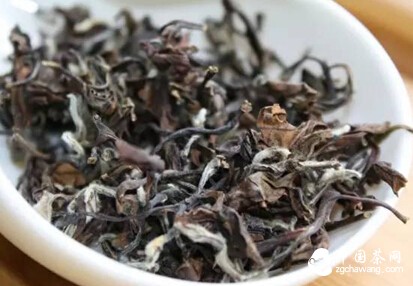
Baihao Oolong
Heavily Fermented Oolong Tea
Baihao Oolong tea is the representative of heavily fermented Oolong tea. Baihao Oolong is a unique tea from Taiwan and has the highest fermentation level among Oolong teas, typically around 60%, sometimes even 75-85%. Its appearance shows connected stems and leaves with visible white hairs, hence the name Baihao (White Hair) Oolong. Because its color mixes white, green, yellow, brown, and red, resembling a flower, it is also called "Oriental Beauty Tea." The liquor color is amber, bright and vibrant. The aroma is honey-like or ripe fruit-like, with a pronounced and long-lasting sweetness. The taste is sweet, fresh, brisk, and mellow.
Different Oolong teas, due to variations in tea plant varieties and manufacturing processes, achieve different quality characteristics. Taking aroma as an example, lightly fermented tea resembles green tea with a fresh scent; moderately fermented tea has a stronger, more intense fragrance; heavily fermented tea resembles black tea, possessing a honeyed aroma. Tea lovers can choose the Oolong tea that suits their taste, take a small sip, and experience the wonderful state described by the ancients: "Before tasting the sweet dew, first smell the sublime fragrance."