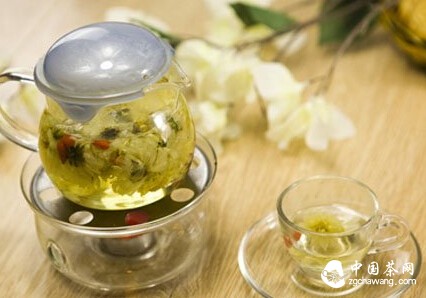
Chrysanthemum has the effect of dispersing wind and clearing heat. Modern medical research shows that chrysanthemum's flowers, leaves, and stems contain volatile oils, chrysanthemin, amino acids, vitamin A, vitamin B, and other substances that can inhibit various pathogenic bacteria in the human body. It also has a relatively stable blood pressure-lowering effect, significantly dilates coronary arteries, increases coronary blood flow, slows heart rate, and helps prevent cerebral and cardiovascular ischemia and thrombosis. Chrysanthemums also contain trace elements selenium and zinc; selenium can prevent cancer, and zinc can enhance the body's immune function. Clinically, chrysanthemum is often used to treat hypertension, coronary heart disease, migraines, lymphadenitis, and other conditions. Chrysanthemum is rich in essential oils and chrysanthemum elements, which can effectively inhibit the production of skin melanin and soften epidermal cells. Additionally, chrysanthemum can contribute to longevity.
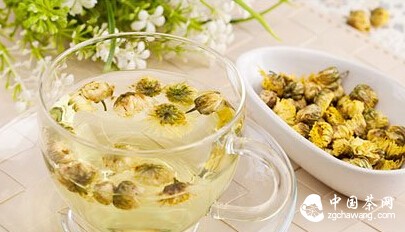
Chrysanthemum Tea is elegant and pure. Chrysanthemum Tea has certain therapeutic effects on dry mouth, excessive internal heat, eye dryness, or diseases caused by wind, cold, and dampness, such as limb pain and numbness. Modern science can extract active ingredients from chrysanthemums to make chrysanthemum crystals, chrysanthemum cola, and other beverages. Chrysanthemum tea is a suitable drink for all ages. People often take 20 grams of chrysanthemum as a tea substitute, or steep 30 grams of chrysanthemum in boiling water briefly, add a little honey, and drink it warm for beauty and vision improvement. Alternatively, take 10 grams of chrysanthemum, 5 grams of mulberry leaves, and 5 grams of loquat leaves, grind them into coarse powder, brew with boiling water, and drink as tea. This is suitable for those affected by autumn dryness invading the lung-defense system, presenting symptoms such as fever, mild aversion to wind-cold, dry throat and lips, and coughing with little phlegm. This formula also has good preventive effects against influenza, epidemic meningitis, Japanese encephalitis, mumps, chickenpox, etc.
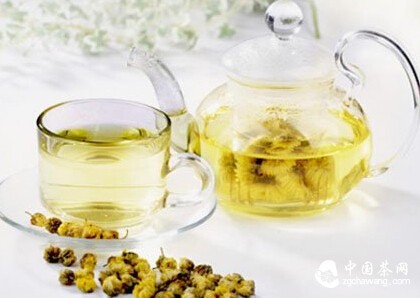
However, chrysanthemum is also a Chinese herbal medicine and should not be misused. Chrysanthemum can cause severe allergic conjunctivitis, especially in people with a history of hay fever allergic conjunctivitis, as they are more prone to allergic reactions from consuming chrysanthemum. For those with a constitution偏虚寒 (biased toward deficiency-cold), commonly known as阳虚体质 (yang-deficient constitution), indiscriminately drinking chrysanthemum tea, which has heat-clearing and fire-purging properties, can damage healthy qi, making the body weaker and worsening pharyngitis symptoms. Particularly for people with脾胃虚寒 (spleen and stomach cold deficiency), drinking too much cool-natured chrysanthemum tea can easily cause stomach discomfort, leading to acid reflux, which further irritates the throat mucosa, causing persistent or worsened throat inflammation. Thus, using chrysanthemum tea to treat pharyngitis requires selection; avoid using the same approach for everyone, or it may backfire.
Furthermore, many factors can induce pharyngitis. Besides bacterial and viral infections, factors such as an irregular lifestyle, excessive mental and physical stress, spending all day in air-conditioned rooms, enjoying hot pot, smoking, drinking alcohol, and lack of exercise are closely related. Therefore, to treat the disease, address the root cause, and never blindly rely on drinking chrysanthemum tea to "reduce inflammation and clear heat."