Tea and clothing are two completely unrelated concepts in traditional terms. However, British scientists and fashion designers have recently collaborated to successfully cross the boundaries between consumption and wear.
Can Tea Also Make Clothing?
As we all know, tea is a healthcare beverage, and its application in the food field is relatively common, such as green tea ice cream, matcha cake, etc. As for the extended use of waste tea, besides tea pillows, it's hard to think of many others. As for how waste tea becomes fabric for clothing, there is indeed some suspense.
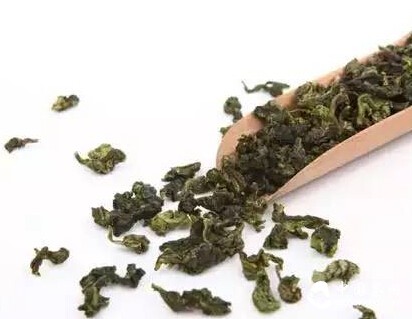
It turns out that the green tea mixture extracted through a series of complex processes can effectively stimulate the growth of Acetobacter bacteria. Professor Freeman, a molecular biologist at London Royal College, said: "These bacteria can naturally produce cellulose fibers, and these bacteria can connect into blocks to become fabric."
British media believe that the advent of "tea clothing" is the product of the collision of scientists' wisdom sparks. This idea was first proposed by Professor Su Zhanli, a textile professor at London Royal College, that is, using microorganisms to cyclically generate cellulose, thereby generating clothing fabrics similar to textiles. Although Su Zhanli's concept sounds incredible, it breaks through the previous limits of scientists' research on bacterial cellulose materials. For this reason, scientists unanimously established this joint project, then tried every means to enhance its new characteristics, and finally developed "tea clothing".
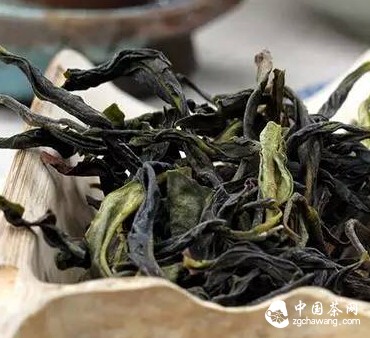
Industry insiders said that as a successfully developed new fabric, "tea clothing" has been proven to have strong practical value. At the same time, this clothing can also be deeply processed and treated multiple times. For example, after dyeing it, a new and completely different garment can be generated, which is also the unique charm of "tea clothing". Scientists believe that the fabric used to make "tea clothing" has innovative and sustainable characteristics, with promising development prospects, and may even become a new trend in the future development of the textile industry.