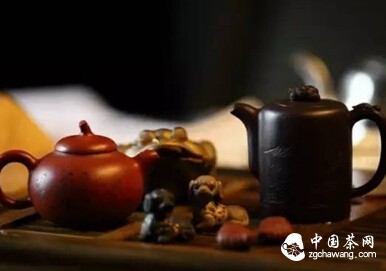
Since ancient times, China has placed great importance on the beauty of utensils in both drinking and dining, forming a tradition of matching fine vessels with food and drink. In the Tang Dynasty, Lu Yu, in his "Tea Classic," designed 24 complete sets of tea utensils and emphasized: "In the cities, within the gates of nobles and royals, if any of the 24 utensils is missing, then tea is abolished." This means that in formal tea-tasting settings, the absence of even one of these utensils disqualifies it as a tea ceremony. Selecting tea utensils is one of the basic skills of tea art, and when choosing them, one should achieve the "Five Suitabilities": suitability to the tea, suitability to the water, suitability to the person, suitability to the art, and suitability to the environment, while also applying one's creativity and arranging them reasonably according to aesthetic principles.
Suitability to the Tea
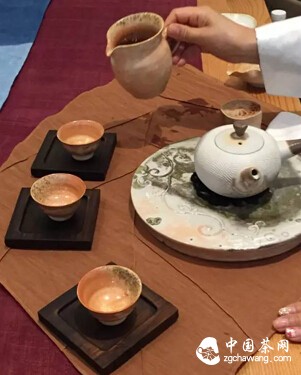
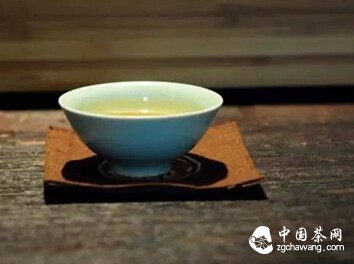
First, when selecting tea utensils, one must understand the nature of the tea and accommodate it, ensuring that the chosen utensils fully bring out the tea's inherent qualities—that is, the utensils should serve to showcase the inner beauty of the tea. For example, brewing Oolong Tea is best done with a purple clay teapot or a lidded bowl; brewing Black Tea is suited to a round porcelain pot with ample space; brewing high-grade Green Tea calls for a translucent glass cup; and brewing herbal tea or preparing romantic musical black tea is best done with uniquely shaped glass cups.
Suitability to the Water
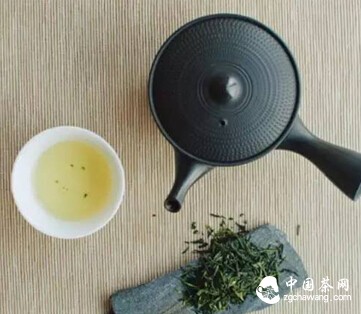
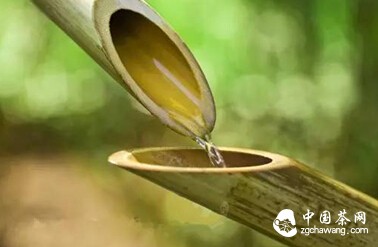
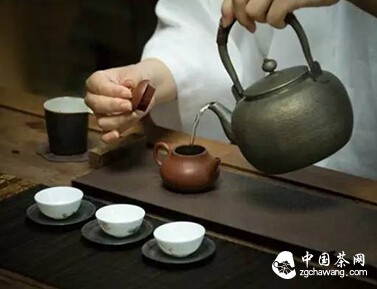
For a tea lover, to enjoy a good brew, one must possess a kettle capable of boiling excellent water. Most people commonly use stainless steel kettles, while the more particular might use a sand-clay kettle, but none of these boiling vessels can compare to an old iron kettle or a silver kettle. Boiling water in an old iron kettle raises the water temperature, softens the water quality, making it sweet and smooth, with a rich, full, and mellow texture. When enjoying fine tea, it enhances the effect, especially suitable for brewing aged tea or boiling tea. Using an old iron kettle to boil water can also supplement the daily iron requirement for the human body, helping to prevent and reduce high blood pressure, which is particularly beneficial for those with hypertension.
Suitability to the Person
People of different ages, ethnicities, regions, educations, and social classes have different preferences. Without compromising the display of the tea's color, aroma, taste, and appearance, the selection and combination of tea utensils should fully consider human factors. For example, when brewing Oolong Tea, if it is for someone from Chaozhou, Guangdong, it is appropriate to choose the "Four Treasures of Gongfu Tea" (Chaozhou wind stove, Yushuwei, Mengcheng pot, Ruochen cup) for combination; if for a friend from Taiwan, one might use a purple clay teapot, a fairness cup, aroma-smelling cups, and tasting cups for combination; for young couples, a同心杯 (loving cup) could be chosen; for tea-loving stock investors, a cinnabar teapot might be selected for brewing tea.
Suitability to the Art
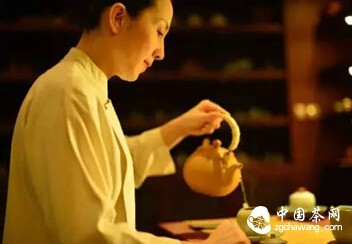
Different forms of tea art have varying requirements for the combination of tea utensils. For instance, imperial tea art demands luxurious tea utensils; literati tea art calls for elegant utensils; folk tea art requires simple and plain utensils; religious tea art needs dignified utensils; and corporate marketing tea art necessitates utensils that facilitate the most straightforward introduction of the commercial characteristics of tea leaves. In summary, the combination of tea utensils serves the tea art performance and must fully consider the historical background and ideological content that the tea art aims to express.
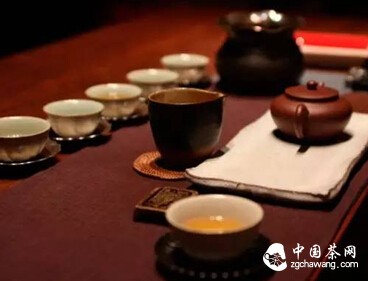
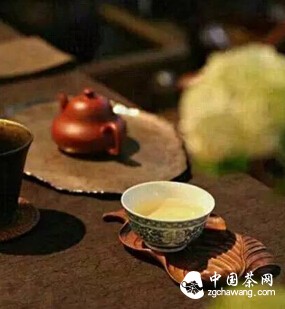
Suitability to the Environment
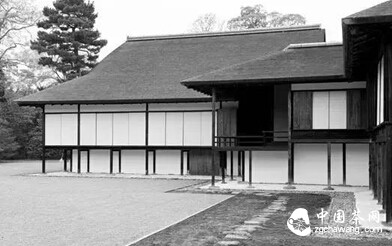
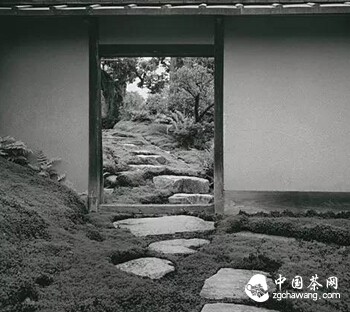
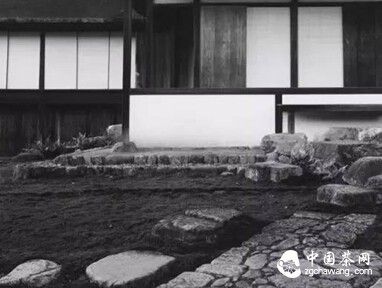
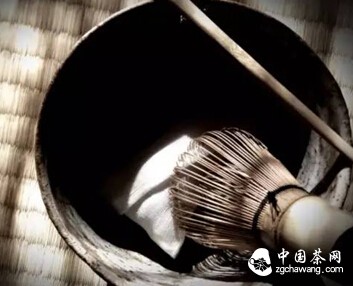
The selection of tea utensils should also fully consider the venue and environment of the tea brewing, paying attention to the decor style and basic color scheme of the environment, striving to achieve mutual reflection and enhancement between the beauty of the tea utensils and the beauty of the surroundings.