Research on tea yields different opinions - some believe drinking tea can raise blood pressure, while others hold the opposite view. So what is the truth?
Does Tea Raise Blood Pressure?
Tea has effects of refreshing the mind, promoting digestion, and benefiting health, closely related to people's lives. Especially for middle-aged and elderly people, the concentration of tea is particularly important for protecting their health. Under what circumstances can drinking tea cause blood pressure to rise?
(一)、Drinking Strong Tea
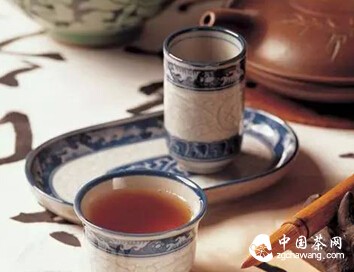
Tea leaves contain small amounts of theophylline, whose diuretic effect is beneficial for hypertension. However, drinking tea that is too strong, with high caffeine content, can cause excitement, insomnia, palpitations, and disrupt rest; simultaneously, it can increase heart rate and cardiac output, leading to blood pressure elevation. Also, do not drink tea for extended periods or on an empty stomach, otherwise tea drunkenness may occur. When drinking tea, having some snacks is more appropriate. Hypertension patients are best not drinking tea or drinking light green tea.
Clinical observations show that drinking strong tea can raise blood pressure, which may be related to the caffeine active substances in tea.
(二)、Unreasonable Tea Consumption
Moderate tea drinking can promote saliva production, quench thirst, remove dampness and heat, refresh the mind, and lighten the body of ailments, greatly benefiting health. However, as a special beverage, tea has its inherent taboos.
Medical experts warn that only proper tea drinking is a good habit for health maintenance.
Note: Control the amount of tea consumed, with 8-10 cups per day being appropriate. Excessive tea drinking increases the burden on the kidneys.
Does Tea Lower Blood Pressure?
Tea has effects such as anticoagulation, promoting dissolution, inhibiting platelet aggregation, regulating blood lipids, increasing high-density lipoprotein in the blood, and improving the ratio of cholesterol to phospholipids in the blood. It can prevent cholesterol and other lipid masses from depositing on blood vessel walls, thus preventing coronary artery narrowing. Particularly, tea contains catechins, which can reduce cholesterol levels in the body, subsequently lowering blood lipids and thus reducing blood pressure.
The relationship between tea and blood pressure isn't specifically defined, but tea drinking has many considerations. If not careful, it can cause harm to the body! What should be noted when drinking tea? Below, I'll share some points:
1. Don't Drink Excessively Hot Tea
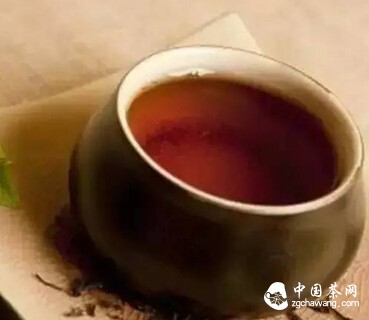
Many people enjoy tea immediately after brewing with boiling water, thinking this is when the tea tastes best. Others are accustomed to drinking hot tea, as if their oral cavity is used to this temperature. But did you know? The oral cavity can tolerate temperatures up to nearly 70°C, while the esophagus can only tolerate around 40°C. This means that tea which feels tolerable to drink might damage the esophageal mucosa. During the continuous process of damage-repair-damage-repair to the esophageal mucosa, abnormal hyperplasia is highly likely, leading to precancerous lesions and ultimately developing into esophageal cancer. So, don't be greedy for hot tea.
2. People with Digestive System Ulcers Should Drink Less Tea
Tea contains polyphenols that can prevent cancer and benefit health, but it's not recommended for those with digestive system ulcers. Tea contains caffeine, which promotes gastric acid secretion. The digestive environment of ulcer patients is very sensitive to acid, which can worsen the condition. Therefore, individuals clearly diagnosed with gastric or duodenal ulcers should drink less or no tea. Those without a clear diagnosis but with明显的规律性的饭前或饭后腹痛 should also avoid frequent tea drinking and are advised to undergo routine check-ups to rule out digestive system ulcers.
3. People with Iron Deficiency Anemia Should Not Drink Tea
Iron deficiency anemia occurs due to a lack of the造血原料 protein and iron. Tea contains tannic acid and theophylline, which can affect the body's absorption of protein and iron, thereby exacerbating the degree of iron deficiency anemia. If taking medication for iron deficiency anemia, tea should also be avoided, as the theophylline and tannic acid in tea can inhibit the absorption of iron supplements, affecting treatment efficacy.
4. Avoid Drinking Tea During Medication
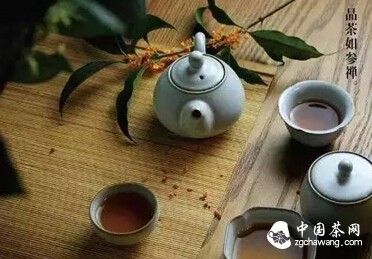
As the old saying goes: "Tea can counteract medicine." This statement has some truth. Especially after taking dietary supplements that replenish mineral elements, avoid tea for at least 2 hours because the tannic acid in tea can bind with metal ions, promoting their excretion and affecting the supplementation效果.
5. Pay Attention to Brewing Temperature
Not all teas cannot be brewed with boiling water. Green tea, especially tender buds of various teas, is suitable for water around 80°C. This brewing method results in a bright, tender tea liquor and avoids destroying nutrients. However, for Oolong, Pu-erh, or coarser teas, 100°C boiling water is necessary. To maintain water temperature, it's also advisable to pre-rinse the teacup with boiling water. So, water temperature depends on the tea.
6. Pay Attention to the Tea-to-Water Ratio
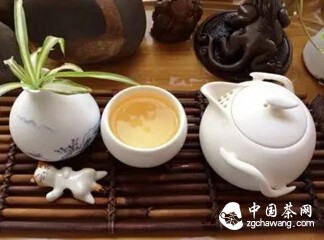
Depending on the tea variety, the brewing ratio to water differs. For general black tea, green tea, and scented tea, maintain a ratio of about 1:50 with water, meaning 3g per 200ml water. For Pu-erh, increase the tea amount, using 5-10g per cup. For Oolong tea, an even larger quantity is needed, generally filling at least 1/2 of the teacup with leaves. Of course, the amount can be adjusted slightly according to personal taste - a bit more for stronger flavor, a bit less for lighter.