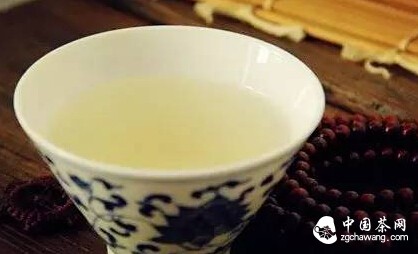
Why do some teas taste fresh, sweet, and refreshing while others don't? Why do some people describe tea leaves as having a seaweed flavor, while others compare the tea soup to rich chicken broth? Why do some teas appear snow-white all over, while others have a layer of substance floating on the tea soup when brewed... What's going on with all these phenomena?
It can be confirmed that these are all related to the amino acids in tea. Below is a simple explanation to help understand amino acids in tea.
What Are Amino Acids?
We all know something about "amino acids" to some extent. Since childhood, many supplements bought by parents prominently featured "amino acids." Thus, we generally remember that amino acids are beneficial to the human body. Today, as we pursue pure natural products, where can we find such natural amino acids? Food sources include seaweed, meat, beans, mushrooms, etc., while for beverages, tea is actually a solid and good choice.
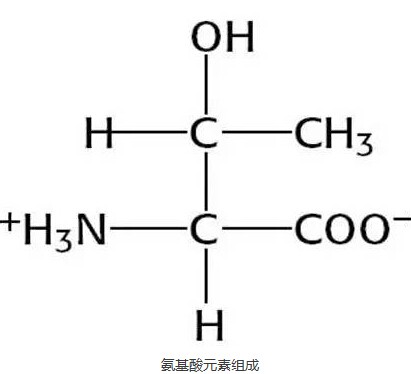
Elemental Composition of Amino Acids
Tea leaves contain about 1% to 4% amino acids. Twenty-six types have been discovered, including 20 protein amino acids and 6 non-protein amino acids. The main ones are theanine, glutamic acid, aspartic acid, and arginine. Particularly, theanine is almost unique to tea, accounting for 1% to 2% of tea's dry matter and about 50% of all amino acid content. Therefore, when discussing amino acids in tea, theanine is the primary focus.
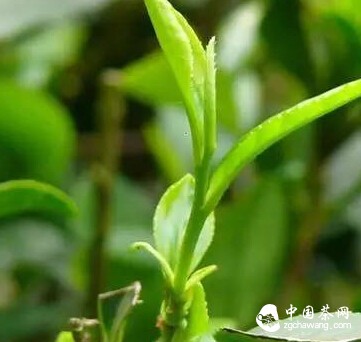
Composition of Amino Acids in Tea Plants:
In tea leaves, amino acids are very important metabolic products in the nitrogen cycle. Nitrogen nutrients are absorbed by the roots and then transported to various parts of the tea plant, such as buds and leaves, allowing the tea plant to grow gradually and accumulate increasingly more natural amino acids, which are discovered and utilized by humans.
Tea amino acids not only represent the supply and transformation of nutrients for the tea plant but also have a direct and important relationship with the quality of tea, to an almost indispensable extent.
Amino Acids and Tea Quality
Addressing the initial questions, most tea amino acids have characteristics of freshness, refreshingness, and sweetness, with some amino acids being slightly sour.
If the amino acid content in tea is high, the taste will be fresh, refreshing, and sweet. If the content of astringent tea polyphenols is also appropriate, the tea's taste will exhibit a mellow and refreshing character.

Essentially, amino acids are one of the three most important types of substances that constitute tea taste (tea polyphenols, amino acids, caffeine). Whether the tea soup tastes good largely depends on the content and proportional relationship of these three types of substances.
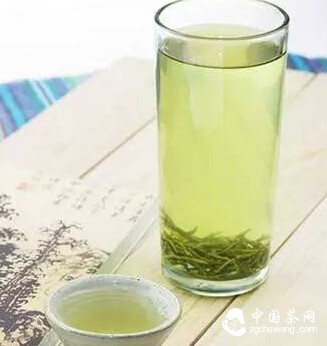
Some amino acids also exhibit certain pleasant aromas, such as briny sweetness, seaweed flavor, fresh sweetness, laver scent, etc. These sensations are often found in Japanese steamed green tea or some high-quality tender green teas, as these teas generally have high amino acid content. Additionally, some amino acids can combine with other substances and participate in the formation of good aromas during the tea processing.
Therefore, the relationship between tea amino acids and tea quality can be simply summarized as one of the three kingdoms of taste and a contributor to aroma quality.
Which Teas Contain More Amino Acids?
First, a simple tip: The more fine hairs (hao) the tea has, the higher the amino acid content often is.
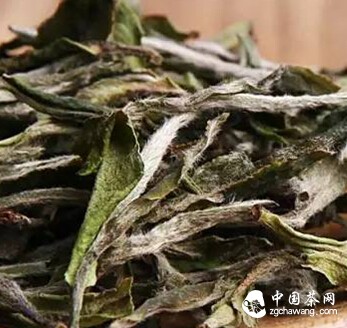
Sometimes when we brew tea, a layer of white fine hairs floats on the soup surface. Many friends mistake this for dirt or dust, but that's not the case. These are the natural fine hairs grown by the tea leaves themselves. The younger parts contain more tea hairs, and the main components of tea hairs include amino acids.
Therefore, whether it's white hairs (Bai Hao) or golden hairs (Jin Hao), it's best to observe carefully when tasting tea to distinguish whether it's true turbidity or "false turbidity."
Distribution Patterns of Tea Amino Acids
Beyond simple tips, tea amino acids exhibit more distribution patterns under different tea plant varieties, growing environments, cultivation practices, and processing techniques. This is determined by the synthesis principles and biochemical physical characteristics of tea amino acids. Understanding these gives a clearer concept of tea quality.
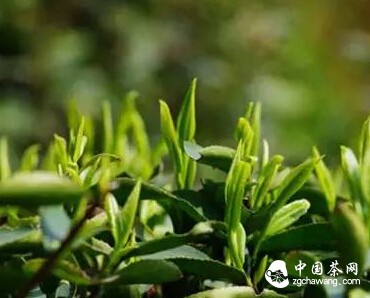
1. For different tea plant varieties: Small-leaf varieties contain more amino acids than large-leaf varieties, and the tender parts of small-leaf varieties contain more than the rough, old parts. Therefore, it seems we are always pursuing tender tea, often feeling that the younger the tea leaves, the better the quality, which is not without reason.
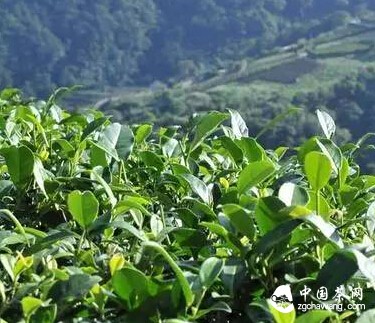
2. For different growing environments: Tea grown in the north at higher latitudes, with relatively low temperatures and weak sunlight, contains more amino acids. In contrast, tea grown in the south at lower latitudes, with relatively high temperatures and strong sunlight, contains relatively fewer amino acids. At the same latitude, high-altitude mountain tea contains more amino acids than low-altitude hill tea. The common saying "high mountains and clouds produce good tea" is very related to this.
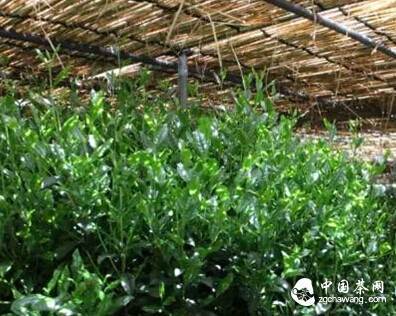
3. Tea plants grown using shading methods have relatively higher amino acid content, such as Japanese Sencha. Some tea gardens plant shade trees precisely to block part of the sunlight, prompting the tea leaves to produce more amino acids.
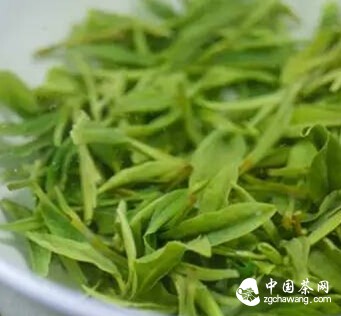
4. Among the six major tea categories made with different processing techniques, non-fermented high-quality green teas and well-controlled post-fermented black teas contain more amino acids. The former process maximizes the retention of the original amino acids in the fresh leaves, while the latter process allows for the synthesis of a large amount of amino acids during post-fermentation (mainly through microbial action).
What Are the Benefits of Amino Acids?
In human physiology, amino acids are the basic units for synthesizing peptides and proteins. Typically, two amino acids losing one water molecule become a dipeptide, and n amino acids losing n-1 water molecules become polypeptides or large-molecule proteins. Tea amino acids provide the essential amino acids required for human physiological metabolism, thereby promoting the normal operation of physiological functions.
Related experiments have shown that tea amino acids help the brain enter a focused state and have a good auxiliary effect on mental activities such as thinking, memory, and learning.
Tea amino acids can also suppress the excitement caused by caffeine, calming people and promoting concentration.