 Introduction to Raw Materials
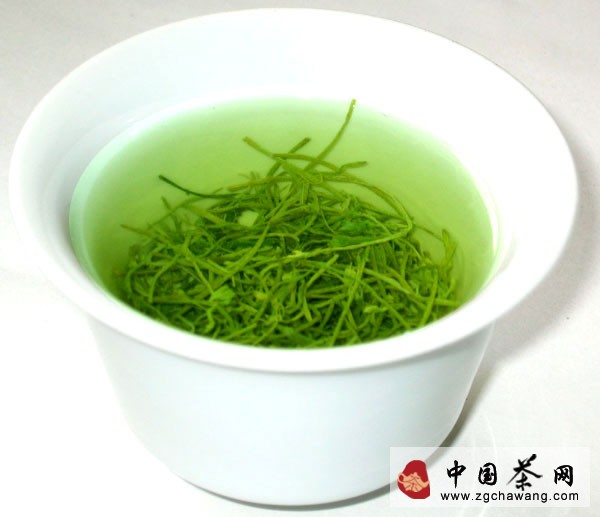
Green tea is non-fermented tea leaves. During initial processing, high-temperature heat treatment is applied to preserve the original green color of the fresh leaves. The brewed liquid and tea base of green tea also exhibit a green hue, with a fresh and fragrant aroma and a notably astringent taste.
Green tea is popular in Asian countries such as Japan, South Korea, and India. Chinese people have a tea-drinking history spanning thousands of years, and it is beloved by people from all walks of life.
Green tea is produced by first subjecting freshly picked leaves to high-temperature heat treatment to deactivate various oxidizing enzymes and maintain the green color of the leaves. This is followed by rolling and drying. Clear liquid and green leaves are common characteristics of green tea quality. Based on different heat treatment and drying methods, it can be further classified into: steamed green tea, pan-fried green tea, baked green tea, and sun-dried green tea.
Nutritional Analysis
Tea is a beverage rich in vitamin K and also contains components like vitamin C. It has the effects of inhibiting platelet aggregation, promoting dietary fiber dissolution, lowering blood pressure, and reducing blood lipids, making it highly beneficial for preventing and treating cardiovascular diseases.
Tea contains fluoride, tea polyphenols, and other components. Drinking tea can help prevent dental caries and strengthen teeth.
Tea is abundant in vitamins A and E and contains various trace elements that combat cancer and aging. It is a natural beauty beverage that helps keep skin bright, fair, and tender, reduces wrinkles, and also provides antioxidant, radiation protection, immunity enhancement, and tumor prevention benefits.
Tea also has effects such as refreshing the mind, invigorating the spirit, enhancing immunity, and eliminating fatigue.
Relevant Groups
Generally suitable for most people.
1. Suitable for individuals with hypertension, hyperlipidemia, coronary heart disease, arteriosclerosis, diabetes, those who consume excessive greasy food, and those experiencing intoxication.
2. Not suitable for individuals with fever, poor kidney function, cardiovascular diseases, habitual constipation, digestive tract ulcers, neurasthenia, insomnia, pregnant women, nursing mothers, and children.
Food Interactions
Do not use tea to take medications;
Avoid drinking tea within 1 hour before or after taking medication.
Ginseng and American ginseng should not be consumed together with tea.
Avoid drinking strong tea to counteract alcohol effects;
It is not advisable to drink tea before meals;
Avoid drinking tea immediately after meals;
Young girls should avoid drinking strong tea.
Preparation Guide
1. The brewing time should not be too long, and it is not advisable to brew tea in a insulated cup.
2. Tea should not be brewed too strong; do not drink tea that has been left overnight.