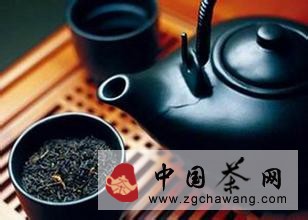
Dark tea, compared to green tea, black tea, and oolong tea, lacks delicacy and may even be considered less refined, with relatively straightforward brewing methods. However, it possesses the spirit and temperament of moderation and harmony that other tea categories have.
The allure of century-old tea is like encountering a hundred-year-old person, who is undoubtedly called a longevity star.
In the past, people valued new tea, while aged tea was more often used as a medicinal catalyst. Since the 1990s, the trend of drinking and appreciating aged tea has gradually become popular. As a result, many forgotten aged dark teas have been treasured. The surviving quantity of these aged teas is extremely limited, especially for dark tea categories other than Pu-erh tea, such as Qingzhuan tea, Fuzhuan tea, Heizhuan tea... etc. If one encounters a thirty or forty-year-old aged Qingzhuan tea or others, it would surely bring joy for days.
If one could come across a century-old Qingzhuan tea, what kind of fate would that be?
The pot is warm, the water is hot; place the tea into the warmed pot, let it sit for a moment, then pour in water.
The aroma is elegant, the aged charm is profound and understated, not showy. It is completely different from the well-known aged Pu-erh tea.
This tea is exceptionally clean after just one rinse.
The entry is incredibly smooth; the value of tea lies in its clarity. The friendship between gentlemen is as light as water, profoundly reflecting a quality of "clarity"—clear, untainted, and without impurities. Clear yet not bland, akin to the affection between gentlemen. Clarity is easy to find, but mellowness is hard to come by. Mellowness refers to a rich taste without being cloying; achieving clarity while allowing for long-lasting回味 is difficult to accomplish simultaneously. In some current aged teas, those stored in clean, suitable environments with good quality can be found. So mellowness is not hard to find. What is difficult is "rhythm" (bamboo rhythm). Rhythm refers to the sensation felt from the palate to the soul during tea tasting. This sensation brings a rich experience throughout the body, often referred to as "body feeling." Having rhythm is not difficult; what is rare is having "harmony." Tea promotes harmony. Drinking tea makes us amiable and tolerant. Good tea, when drunk, can invigorate the body, refresh the mind, and make one feel suddenly transparent, with comfort in every limb—this is the harmony of tea. Harmony is already hard to achieve; however, what is even rarer in tea is "emptiness." Emptiness is often mentioned in Buddhism. Emptiness is not nothingness, not non-existence. It is selflessness, non-attachment, and non-discrimination. In Buddhist practice, this requires a long time to attain. Tea that can reach this state is also among the finest, rarely encountered. Of course, it cannot be ruled out that under specific circumstances, with good tea, good company, and a good environment, our minds can be completely emptied, thus reaching the state of "emptiness." That certainly requires the simultaneous convergence of various conditions.
Encountering a good tea can eliminate all these external factors, allowing us to achieve emptiness in both taste and mind. Upon reflection, it feels ethereal, vivid, and with a long-lasting韵味. This is actually the origin of why "Zen and tea share the same flavor."
This should be the basic standard for good tea. It is also the highest realm of tea appreciation: boundless, without beginning or end.
Encountering a good tea can eliminate all these external factors, allowing us to achieve emptiness in both taste and mind. Upon reflection, it feels ethereal, vivid, and with a long-lasting韵味. This is actually the origin of why "Zen and tea share the same flavor." This should be the basic standard for good tea. It is also the highest realm of tea appreciation: boundless, without beginning or end.