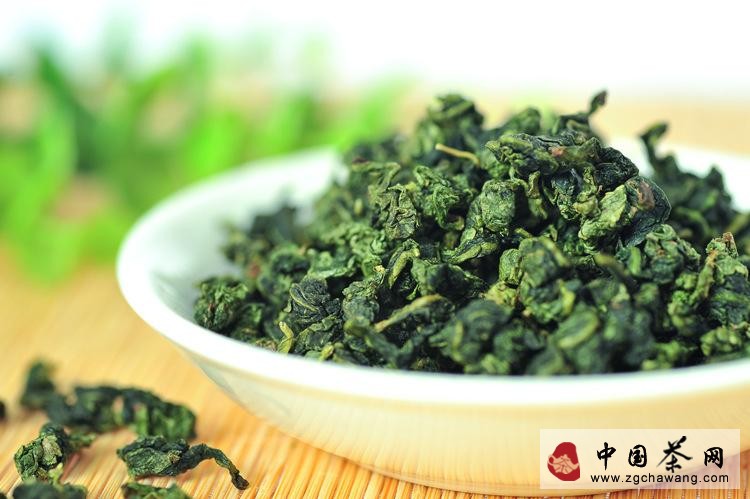
Huangjingui is an oolong tea made from tender shoots of the Huangdan variety tea plant. It is named for its golden-yellow liquor and remarkable osmanthus-like aroma. The quality characteristics of Huangjingui are: tight, slender strips; moist, glossy appearance; an elegant, fresh, and refreshing aroma with osmanthus notes; a pure, fine, sweet, and fresh taste; a bright golden-yellow liquor; and leaves that are yellow-green in the center with reddish edges, soft and bright.
Among existing oolong tea varieties, it is one of the earliest to sprout. The oolong tea produced from it has an exceptionally high aroma, earning it the names 'Qingming Tea' and 'Sky-Penetrating Fragrance' in producing regions, praised for being 'early and remarkable'. 'Early' refers to budding early, being processed early, and reaching the market early. 'Remarkable' refers to the tea's appearance being 'fine, even, yellow' – the strips are slender and even, with a glossy yellow-green color. Its intrinsic quality is 'fragrant, remarkable, fresh', meaning high aroma, mellow taste, uniquely elegant, thus often described as 'Before tasting the clear and sweet flavor, one first smells the sky-penetrating fragrance'. The Huangdan plant is a small tree type, medium-leaf variety, early-budding. The tree posture is semi-spreading, branches are relatively dense, internodes are short; leaves are relatively thin, the leaf surface is slightly curled, serrations are deep and sharp, leaf color is yellow-green with gloss, sprouting rate is high; it can flower but bears little fruit.
Its annual growth period is 8 months. It adapts widely, has relatively strong resistance to pests and diseases, and yields relatively high. It is suitable for making oolong tea, as well as black and green tea. When made into oolong tea, it has a remarkable aroma and excellent taste, golden liquor, yellow-bright brewed leaves, making it unique. The traditional brewing method for Huangjingui is very particular. Teaware should be small and exquisite, and water is best from mountain springs. Bring the water to a boil, first warm the teapot, add tea leaves filling about three-tenths to four-tenths of the pot's capacity, pour in boiling water, use the lid to skim off the rising foam, cover the pot – at this moment, a unique fragrance assails the nostrils.
The efficacy of tea, like a divine power, has long been known. Tang Dynasty poet Lu Tong described the effects of tea thusly: 'The first bowl moistens throat and lips; the second bowl breaks lonely boredom; the third bowl searches the withered intestines, finding only writings of five thousand volumes; the fourth bowl induces light perspiration, life's injustices disperse through the pores; the fifth碗 purifies skin and bones; the sixth碗 connects to immortal spirits; the seventh碗 cannot be consumed; one only feels a clear breeze rising under the arms.' Song Dynasty's Wu Shu in 'Ode to Tea' said: 'It washes away troubles, quenches thirst, changes bones, lightens the body – the benefits of tea, its efficacy is like divine power.' Ming Dynasty's Li Shizhen in 'Compendium of Materia Medica' stated: 'Tea is bitter and cold, the yang within yin, sinking and descending, most effective in reducing fire.'