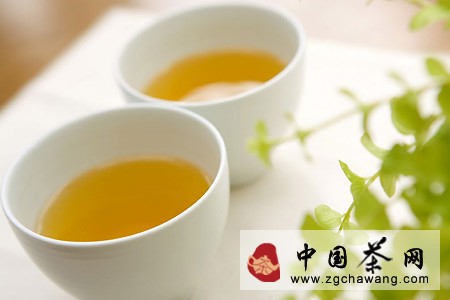
 After choosing tea that suits you, how to maximize its efficacy is also a field of knowledge. Professor Han Chi, a researcher at the Chinese Center for Disease Control and Prevention's Institute of Nutrition and Food Safety, has been studying the nutrition and health effects of tea for decades and is a leading expert in China. He told reporters: "Different teas have their own specifics regarding storage, brewing, and consumption methods."
 Storage: Tea is most afraid of moisture and odors. The best containers for storage are tin cans, porcelain jars, or colored glass bottles; the next best options are iron tins, wooden boxes, or bamboo boxes; plastic bags and cardboard boxes are the least ideal. Containers must be dry, clean, and free of odors. Stored tea should be kept in a dry, ventilated place, not in damp, high-temperature, unclean, or directly sun-exposed areas. These areas should not contain strong-smelling items such as camphor, medicine, cosmetics, cigarettes, or cleaning products. Fresh green tea from the current year can also be sealed and placed in the freezer compartment of a refrigerator, where it can be preserved for 3–6 months.
Brewing: Rinse tea for no more than 15 seconds. "Nowadays, people like to rinse tea, but I don't agree with over-rinsing," said tea expert Han Chi. In experiments, they found that rinsing green tea twice resulted in an effective component leaching rate of over 70%, while for black tea, it was over 60%. This means that if tea is over-rinsed, many nutrients will be lost. Jiang Heyuan, an associate researcher at the Tea Research Institute of the Chinese Academy of Agricultural Sciences, who primarily studies tea and health, reminds us that if tea must be rinsed, the rinsing time should not exceed 15 seconds. Green tea and white tea are best not rinsed at all. "However, there is an exception: people who are sensitive to caffeine can rinse the tea once before drinking, as caffeine leaches faster than tea polyphenols, so a quick rinse can remove some caffeine."
Consumption: 12 grams per day is ideal. Jiang Heyuan suggests that for ordinary people, drinking about 12 grams of tea per day, divided into 3–4 infusions, is appropriate. Those who consume more oily foods, smoke, or drink alcohol can appropriately increase their tea intake. Pregnant women, children, individuals with neurasthenia, or those with tachycardia should reduce their tea consumption accordingly. Han Chi also reminds us that with the popularity of Gongfu tea, people are drinking tea "hotter and hotter," which is very wrong. "People drink tea for health benefits, but drinking scalding tea can increase the risk of cancers such as esophageal cancer, which is not worth the cost. The optimal temperature for drinking tea should be around 60°C, not exceeding 70°C."
Additionally, one can drink different teas at different times of the day: a light cup of green tea in the morning to awaken and clear the mind; jasmine tea in the forenoon for a fragrant boost to improve work efficiency; a cup of black tea in the afternoon to relieve drowsiness and refresh oneself; and in the evening, when gathering with friends or family, brewing a pot of oolong, Pu'er, or Anhua dark tea offers a unique pleasure and is less likely to affect sleep. This daily tea-drinking schedule is something everyone might try.