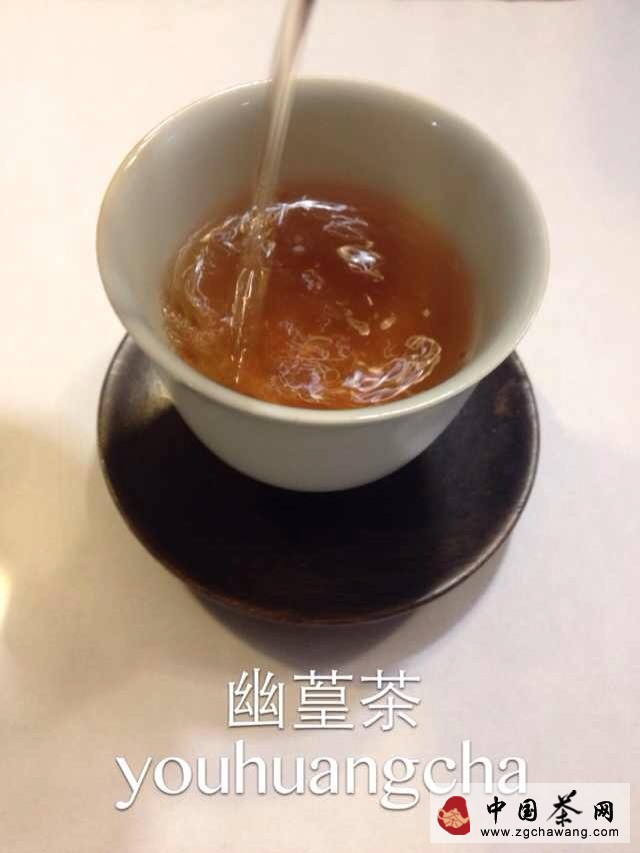
Differences between Pu'er and Rock Tea
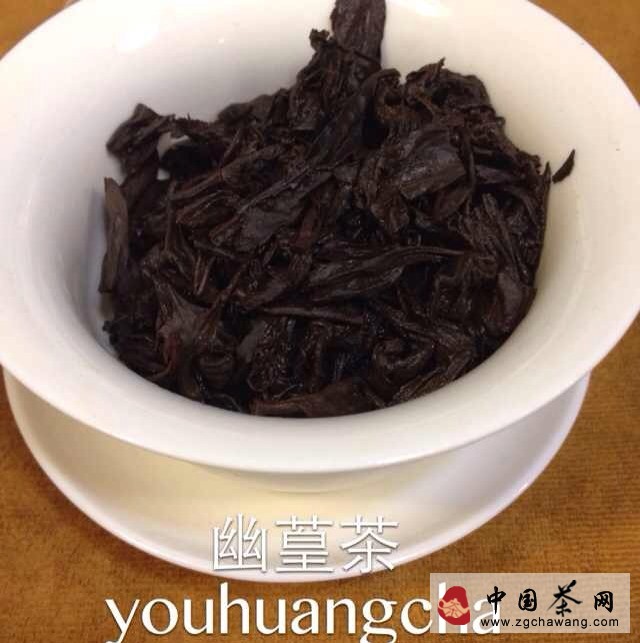
Similarities:
1. Aged Flavor
Pu'er tea must be slowly aged in dry storage to be optimal for drinking.
Rock tea is also stored and aged for several years to develop a mellow and smooth taste.
Both have characteristics of fermentation, enzymolysis, and esterification.

2. Reverence for Old Trees
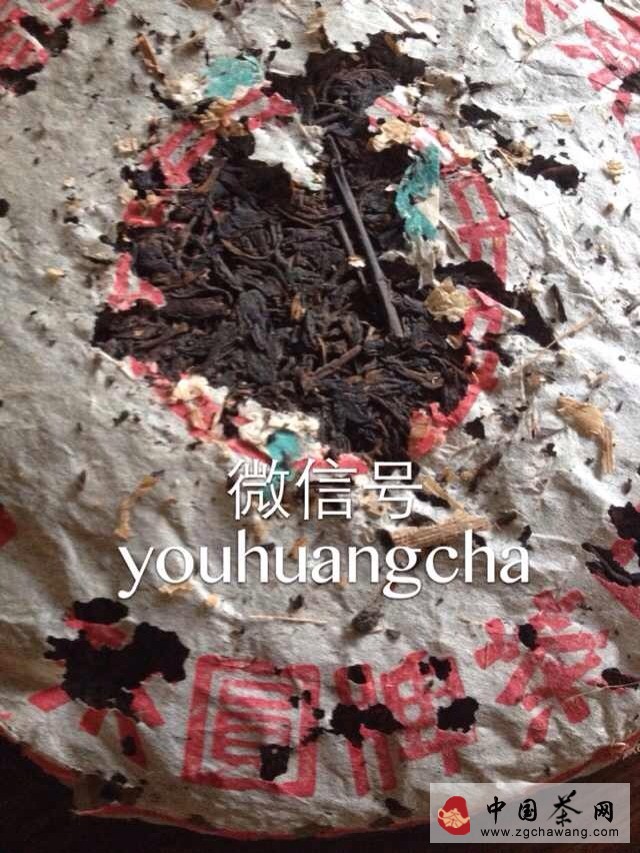
The finest Wuyi Rock tea is revered from the mother plants of Da Hong Pao, with top-grade rock tea picked from trees several decades to hundreds of years old. The finest Pu'er tea comes from century-old trees. Both value natural, ecological old tea trees.
3. Long History
Both Pu'er tea and Wuyi Rock tea are historically famous teas and were tributes to emperors throughout the ages.

Differences:
1. Difference in Aging Period
Wuyi Rock tea has a moderate aging period, generally one to five years, with only teas from superior mountain fields requiring longer transformation times. It emphasizes taste and health benefits, avoiding blind advocacy and exaggeration of aging years, being practical and objective. In contrast, Pu'er tea is heavily commercialized, focusing on packaging comparisons, aging periods, vintage appearances, reputation building, and origin tracing, which deviates from the fundamental food attributes of tea. The misconception that "older is better" contradicts the natural laws of food.
2. Difference in Processing Techniques
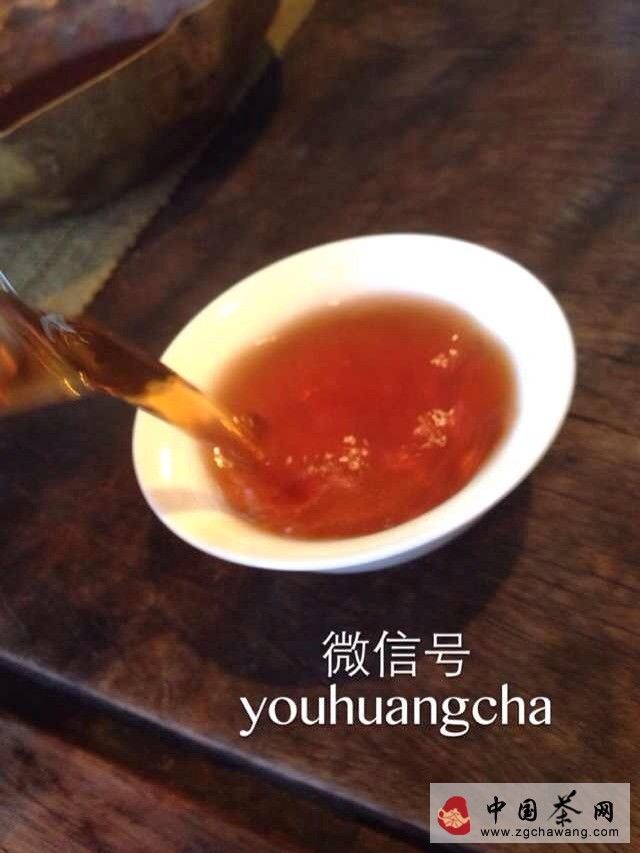
Wuyi Rock tea not only has UNESCO Intangible Cultural Heritage traditional craftsmanship passed down through generations but also involves meticulous and labor-intensive processes. The origin of Wuyi Rock tea is clearly defined, ensuring quality and traceability. On the other hand, Pu'er tea's naming initially reflected a proliferation of "commercial culture" in its production areas, with a weak "production culture." Modern Pu'er tea relies heavily on mysterious marketing from Hong Kong and Taiwan, leading to blurred quality standards, coarse processing techniques, and ongoing confusion about its classification as either dark tea or green tea.
3. Difference in Product Categories
Wuyi Rock tea boasts a rich variety of product categories with distinct taste differences, each forming its own system, reflecting a vast market foundation. Pu'er tea, however, lacks detailed product classification, with only raw and ripe cakes categorized by appearance and aging period. Standards vary widely, easily leading to category confusion and counterfeit practices.
4. Difference in Tasting and Appreciation
Wuyi Rock tea, known as the ancestor of oolong tea and the origin of Gongfu tea, emphasizes tasting over storage. Its characteristics of clarity, aroma, sweetness, and liveliness are distinct, with a unique "rock bone and floral aroma." It is best enjoyed with Gongfu tea sets, making it the most playful and appreciative among tea types, forming a series of tea ceremony cultures. In contrast, Pu'er tea prioritizes storage over tasting, and its appreciation actually follows Gongfu tea art. However, its tea characteristics lack three-dimensional typicality, and its drinking culture remains ambiguous.
