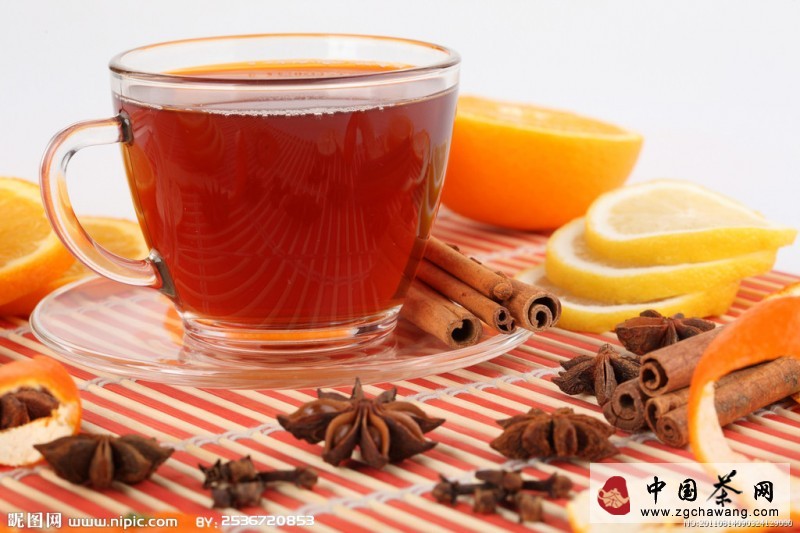
Tea culture and traditional Chinese medicine both originated in China. Tea therapy utilizes the medicinal properties of tea leaves, either used alone or in combination with other Chinese herbs, to exert daily health care and effects for preventing and treating diseases. Judging solely from its components, tea not only contains abundant minerals and amino acids but also many trace elements such as theaflavins, thearubigins, and catechins. Furthermore, tea polyphenols have beneficial regulatory and health-preserving effects on various organs and systems of the human body. As a natural beverage, tea can be consumed long-term without adverse effects.
There is a wide variety of tea therapies, broadly divided into internal and external application methods. Internal use involves incorporating tea leaves into herbal formulas, decocting them into a liquid preparation, or steeping them in hot water; the resulting liquid can be consumed directly or after cooling. This method is very common and is often used for clearing heat, reducing internal fire, relieving food stagnation, and refreshing the mind.
External application involves applying medicinal preparations to the skin to achieve therapeutic effects. The application sites can correspond to acupoints in acupuncture, thereby achieving the goal of treating diseases. Below are several methods of external tea therapy.
Gargling: Since the Yuan Dynasty, ancient people believed that rinsing with tea strengthened teeth. Modern research shows that gargling with tea not only fortifies teeth and cleanses the oral cavity but also effectively treats halitosis.
Nasal Inhalation: Blowing medicinal powder into the nasal cavity to treat symptoms such as dizziness and blurred vision. Often, tea tree seeds are wrapped in cotton balls and inserted into the nostrils.
Steam Washing: Mixing tea leaves and herbs to use as ingredients for steam washing. This method is mostly applied to local areas, such as the eyes, feet, hair, etc. It can treat foot fungus, reduce dandruff, etc., with formulas tailored to different needs.
Topical Application: This method is generally used for treating skin diseases. Tea leaves can be ground into powder and mixed with honey, egg white, vegetable oil, etc., to form a paste applied externally to the affected area. This method later evolved into the facial masks we commonly use today. Masks made from tea can whiten and nourish the skin.
Powder Sprinkling: This involves directly sprinkling the ground powder onto wounds, providing certain curative effects for mosquito bites, reducing inflammation, and relieving itching.