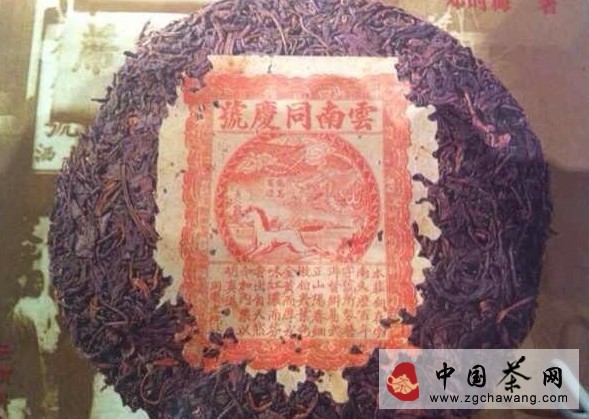
Standards for Good Tea
Since ancient times, high-quality Pu-erh tea cakes have increased in value with storage. However, not all Pu-erh tea cakes can become 'antiques.' Today, the lowest grade Haoji tea often cannot match the taste of top-tier Yinji tea. Under the same storage conditions, generally, the worst Yinji tea will surpass the best Qizi cake, just as apartments are better equipped than low-rent housing. Therefore, if a Pu-erh tea cake lacks collection value, no amount of aging will turn it into good tea.
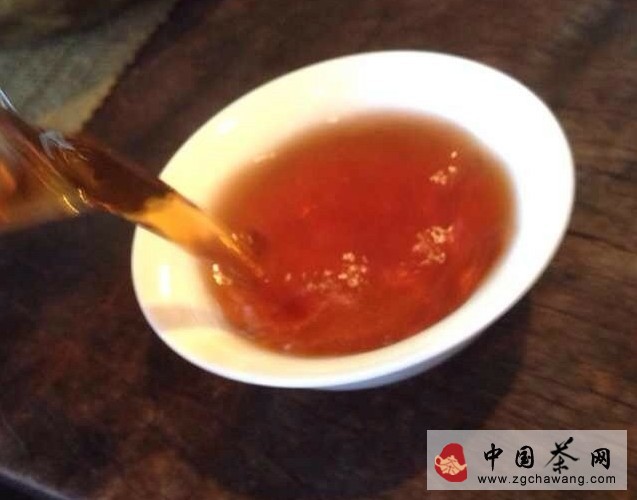
Besides the quality of raw materials, there are two other key factors for good tea: first, the production process. Pu-erh tea fermentation is divided into natural slow fermentation at room temperature and rapid artificial high-temperature fermentation. The former produces raw tea, the latter ripe tea. Strictly speaking, ripe tea is a new process that emerged in modern times with the goal of making tea more accessible to the masses. Since ancient times, it is raw Pu-erh tea that has collection value. This is because over time, the microbial communities in raw tea naturally evolve in a beneficial direction, with its health benefits and flavor continuously improving through this transformation - this is called aging. Differences in raw materials, production techniques, and storage environments create unique tea flavors. For example, using the same batch of 1980s Pu-erh tea leaves from Menghai Tea Factory, if made into raw tea and ripe tea respectively, the current market price of the raw tea might be tens of thousands per cake, while the ripe tea is only worth one or two thousand. This shows that the current belief that ripe tea can develop the same appreciation potential as raw tea through long-term storage is a misconception.

The other key factor determining whether Pu-erh tea appreciates in value is whether storage conditions are appropriate. From the same batch of Pu-erh tea, one portion was stored in Beijing, another in purple clay jars in Guangzhou. Six years later, the former had a pleasant aroma, while the latter had deteriorated due to dampness and humid jar walls during rainy seasons, showing that good tea can become worthless if stored improperly.
Related links: Golden Flower Pu-erh, Golden Flower Fu Brick Tea