Among China's hundreds of teas, Pu-erh tea stands as the most capable inheritor and representative of traditional Chinese tea culture. Pu-erh tea embodies warmth and nobility in character, while Pu-erh tea tasting is profound and elegant. Through aging, Pu-erh tea becomes increasingly fragrant, possessing historical vitality. The tea appreciation environment emphasizes tranquility and detachment, facilitating spiritual cultivation and immortality. Pu-erh tea drinking embodies the Daoist spiritual philosophy传承ed through Chinese culture. Thus, the ultimate pursuit in Pu-erh tea appreciation lies in "Dao" - the Pu-erh tea way is the Way! This perfectly aligns with the Chinese tea art principles of "natural, hygienic, and well-brewed tea."
The spirit of Pu-erh tea lies in stillness and authenticity
Stillness means Pu-erh techniques seek stillness
Authenticity means Pu-erh methods seek truth
Stillness is naturalness. Not displaying desires, not forcing things, following nature - this is stillness. Between heaven and earth, all living beings have their own principles of life and death, operation, and cause and effect. Some of these principles are eternal "constant Dao," while others are temporal "unconstant Dao." The eternal constant Dao is innate naturalness, while the temporal unconstant Dao, formed by habit becoming natural, is acquired naturalness. However, whether innate naturalness or acquired naturalness, both are natural; we may call it "ordinary Dao," meaning "ordinary naturalness"!
Authenticity means true nature. All things between heaven and earth have their true nature, meaning factual truth. Daoism attributes the principles of matters and things to authenticity. Exhaustively researching and pursuing its truth is cultivation, without any assumptions or falsehoods. The highest wisdom of a true person (Zhenren) involves facing life and death with the most realistic, even extremely cruel attitude; handling one's own life with the spirit of true life and true death, unwilling to mention previous lives (which are distant and unreal), unwilling to think of future generations (which are uncertain and unreal); only knowing this present life, yet this life is so brief. Even so, only managing this present life is most real. Extending life, achieving longevity, and immortality thus become the eternal belief and work of Daoists. Throughout millennia, Daoists have consistently upheld the great principle of authenticity regarding the belief and work of longevity.
The beginning of things conforms to the true Dao
The传承of things conforms to true principles
The handling of things conforms to reality
The enjoyment of things conforms to true nature
Similarly, in tea culture, only tea methods that align with this spirit conform to factual truth and are considered authentic tea methods.
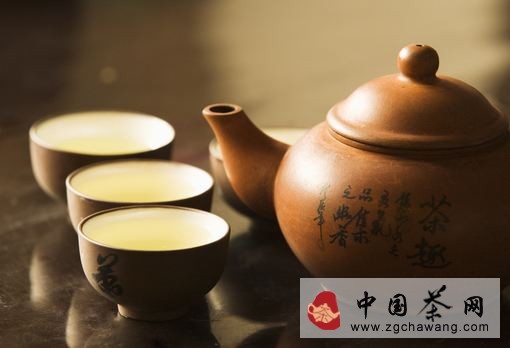
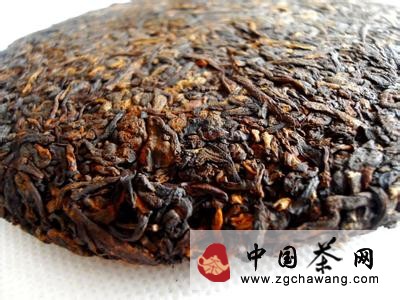
When appreciating Pu-erh tea, the technical aspects require that all operations, movements, arrangements, handling of utensils, attitudes, responses, order, and processes conform to ordinary naturalness to achieve the spirit of stillness. Methodologically: Pu-erh tea trees should grow as arbor trees in high mountains, Pu-erh tea leaves should be sun-dried raw tea, Pu-erh tea aging should occur in dry, clean storage, Pu-erh tea brewing should use high temperatures and wide pots, and Pu-erh tea soup appreciation should focus on the beauty of its true nature. Thus, through the still tea techniques and authentic tea methods, Pu-erh tea appreciation is not far from the Dao-transformed tea way!

Pu-erh tea technique culminates in stillness, using the spirit of stillness to permeate all techniques: on one hand, seeking an external environment during appreciation that is ordinarily natural, making the sensory experience most authentic. On the other hand, it also meets the needs of brewing good tea, directly enhancing the true quality of the tea soup.
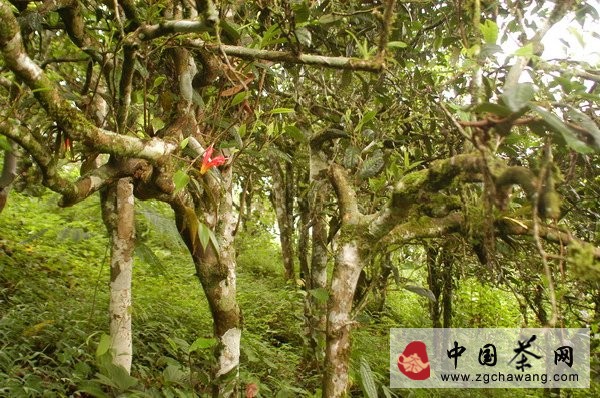
Pu-erh tea method culminates in authenticity, appeals to nature, and with good methodological conditions, allows Pu-erh tea to孕育perfect true nature, develop it, and fully express it in the tea soup, enabling the taster to experience Pu-erh's true nature - Aged character, Aroma, Taste (sweet,甘, bitter, astringent, salivation-inducing), and Qi (energy). Simultaneously, complemented by still techniques through human sensory functions, one receives Pu-erh's true nature, transfers it through mental perception to an ethereal spiritual state, and finally culminates in Dao!
In summary, the overall technique and method of Pu-erh tea culture have the sole purpose of fully creating an ordinarily natural environment to completely express Pu-erh's true nature, allowing the taster, through experiencing the richest and most perfect true nature of Pu-erh, to be guided by mind and spirit towards natural artistic realms, ascending to the spirit of stillness and authenticity, and culminating in Dao.
Pu-erh's true nature is expressed through the tea soup; its true nature is the unique characteristic manifested by its essence. Of course, being part of the tea category, its true nature may share commonalities and potentially achieve similar tea way connotations. If comparing tea and alcohol categories, through their respective true natures, the achieved tea way and alcohol way realms would be截然different, following completely separate paths.
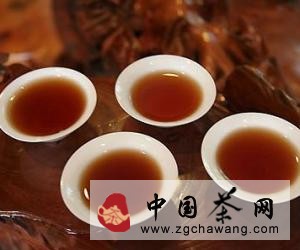
Therefore, for Pu-erh tea appreciation that takes the Daoist Way as its tea way, it does not consider the poetic atmosphere created by the grand environment, or the majestic气势, or the emotional context of the relationship between people and things. These气势and contexts are not the true nature of tea; they could equally be applied to drinking alcohol or smoking environments to create similar artistic effects.
The pursuit of the Pu-erh tea way can be found in poetic and picturesque settings, in street corners and alleyways, or even facing a wall in solitude, because it is triggered by Pu-erh's true nature, which elicits the spirit of stillness and authenticity. Just as a true person (Zhenren) cultivates the Dao from within the world, the Dao lies within my true nature!
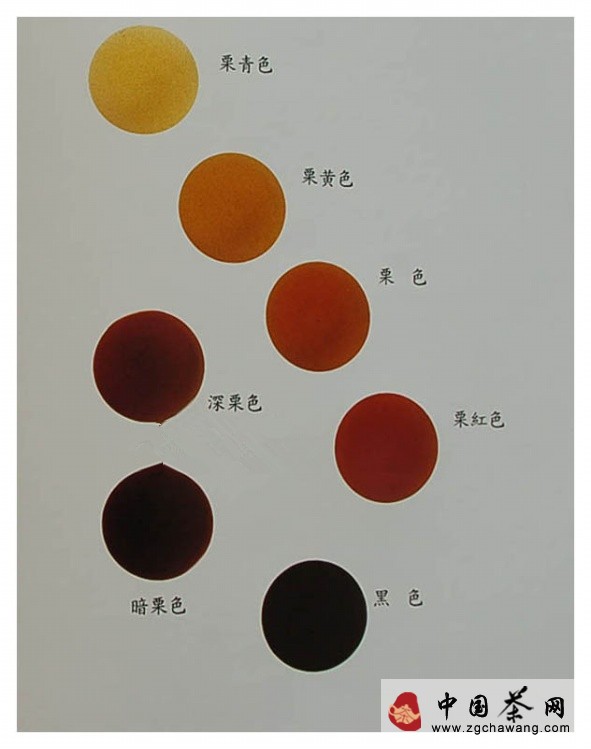
Having Pu-erh tea with perfect true nature, using still techniques and authentic methods to taste its true nature is the foundational skill of Pu-erh appreciation and the most correct Pu-erh tea practice. Ascending further, from perceiving Pu-erh's true nature - Aged character, Aroma, Taste (sweet,甘, bitter, astringent, salivation-inducing), and Qi - allowing the mind and spirit to penetrate into the ethereal and achieve Dao-transformation, culminating in Dao. This level of skill requires the taster to have comprehensive knowledge of tea techniques, methods, and Pu-erh tea overall, possessing certain cultivation. In terms of time alone, it requires at least three to five years or more of Pu-erh tasting experience to potentially, from the spiritual level, participate and transform into the realm of Dao.
Ascending to Dao through Pu-erh tea appreciation requires not only a considerable period but also the experience of brewing and tasting many truly excellent Pu-erh teas. On this journey, one must first have sufficient knowledge and understanding of Pu-erh tea, including its history, production, varieties, and the ability to identify its age, quality, characteristics, and understand the theories of manufacturing and aging methods. Furthermore, one must master brewing techniques and methods before being able to taste Pu-erh's true nature, and then further fully accept and even love Pu-erh tea drinking. From knowing Pu-erh, to being able to handle Pu-erh, to understanding Pu-erh, to loving Pu-erh, and finally transcending to the spiritual level and participating in Dao transformation.