What is Oolong Tea
Many people think that only Taiwanese Dongding Oolong is called Oolong tea, but this is incorrect. Oolong tea refers to a broad category of tea, classified primarily by its processing technique.
The Four Major Families of Oolong Tea:
Southern Fujian Style, Representative: Tieguanyin;
Northern Fujian Style, Representative: Wuyi Dahongpao;
Guangdong Chaozhou Style, Representative: Phoenix Dancong;
Taiwanese Style, Representative: Dongding Oolong Tea.
Fermentation:
Oolong tea is a semi-fermented tea, also known as green tea.
The 'fermentation' of Oolong tea is different from the 'fermentation' of raw Pu-erh tea. Raw Pu-erh fermentation refers to 'microbial fermentation' in biological science; the 'fermentation' of Oolong tea refers to the oxidation process of the tea leaves, with the main purpose of unlocking the tea's internal aromatic compounds to create unique flavors.
Tieguanyin:
This is the name of a specific tea plant cultivar. However, Tieguanyin plants grow slowly and have the lowest yield, making them the most expensive. Currently, a large quantity of Tieguanyin on the market is actually made from or blended with other varieties.
Mao Xie:
This is the name of a specific tea plant cultivar. Mao Xie has the highest yield. During the planned economy era, it was extensively cultivated to meet export demands. Its production is estimated to account for over 90% of the Southern Fujian Oolong market, making it the absolute mainstay for export tea and industrial raw material tea (e.g., for making bottled tea drinks).
Huangjin Gui:
This is one of the distinctive cultivars. Huangjin Gui is famous for its highly fragrant aroma, known as 'sky-piercing fragrance'. High-quality Huangjin Gui has a strong floral scent but a bold and assertive style. Its aroma intensity can surpass that of Tieguanyin, but the leaves are thinner and it has lower infusion resistance (fewer steeps).
Benshan:
This is one of the distinctive cultivars. The appearance of Benshan fresh leaves and their aroma somewhat resemble Tieguanyin, making them difficult to distinguish; however, with considerable experience, accurate identification is possible. Benshan has a relatively high yield and has been cultivated in certain areas, but not very widely.
Qilan:
One of the clonal cultivars, originally from Anxi, Fujian.
Baxian:
One of the Oolong varieties, originally from Zhao'an, Fujian. Representative products: Zhao'an Baxian Tea, Chaozhou Phoenix Baxian.
Meizhan:
One of the Oolong varieties, originally from Anxi, Fujian. It is often processed using Tieguanyin methods and sold as Tieguanyin.
Se Zhong:
A collective term for varieties other than Tieguanyin, but some more distinctive varieties are often listed separately, such as Benshan, Huangjin Gui, Foshou, Qilan, etc.
Shuixian:
One of the Oolong varieties, originally from Jian'ou, Fujian. It is often sold as Dahongpao.
Rougui:
One of the distinctive cultivars of Rock Tea, also known as Yugui, originally from Wuyishan City, Fujian. It is a rising star among Wuyi Rock Teas, known for its cinnamon aroma.
Wuyi Rock Tea
This can be considered the general term for Northern Fujian Oolong, with Dahongpao being the most famous. Judging Rock Tea according to national standards, there are three criteria:
1. Produced within the 2798 square kilometer area of Wuyishan City;
2. Processed using unique traditional techniques (forming strip-shaped leaves);
3. Possesses the quality characteristics of 'Yan Yun' (rock bone and floral fragrance) in Oolong tea.
Phoenix Dancong:
Produced in Phoenix Mountain, Chaozhou City, Guangdong Province. Dancong refers to a category of tea, not a specific plant cultivar. It refers to individual tea plants selected from the Shuixian cultivar, characterized by their natural aroma types. According to incomplete statistics, over 500 aroma types have been developed so far.
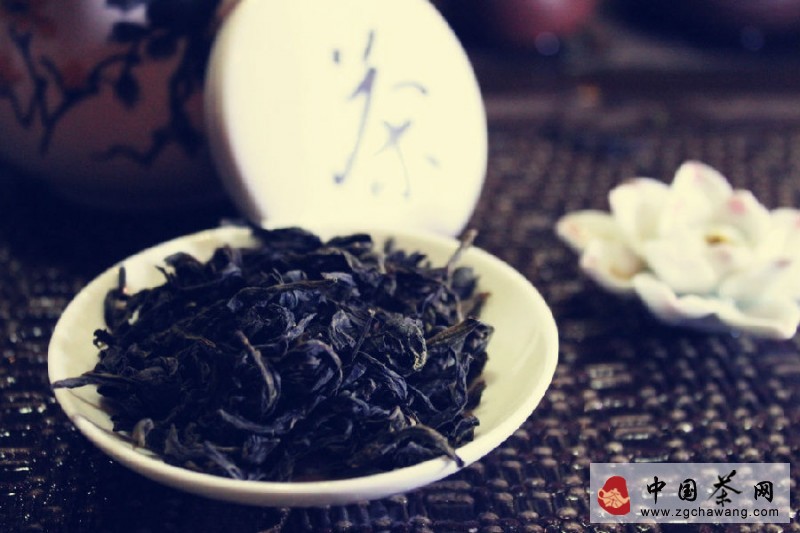
Tea Qing (Fresh Leaves):
Freshly picked tea leaves. Generally, for Oolong tea, 'three leaves and one stem' (or 'one bud and two leaves') is considered ideal. The timing of picking should be appropriate; too young or too old is not suitable.
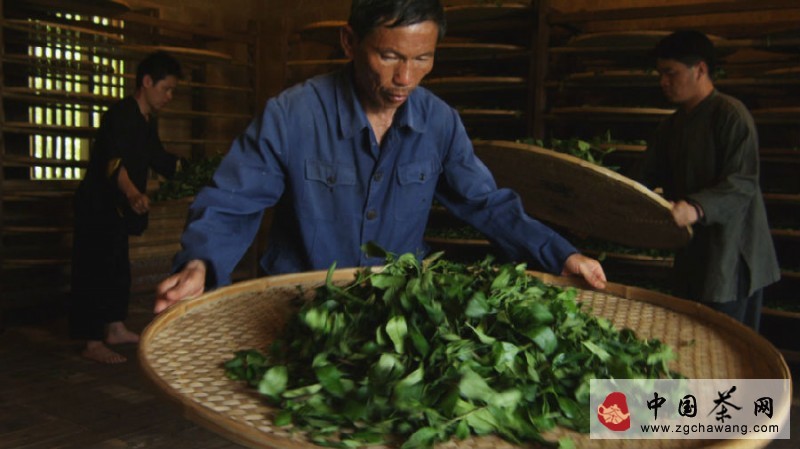
Withering and Shaking (Yao Qing) Process:
This is an important step in the Oolong tea making process. By shaking the fresh leaves, friction is created, promoting the enzymatic oxidation of tea polyphenols and inducing aroma formation. The characteristic aromas of Oolong tea originate from this process.
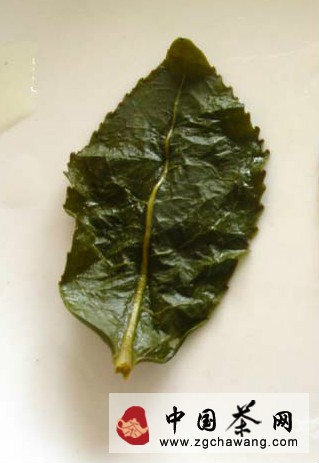
Green Leaf with Red Edges:
A characteristic phenomenon in the brewed leaves (ye di) of Oolong tea – green leaves with red edges, caused by the shaking process. Currently, for Tieguanyin, a clear, fresh, and brisk liquor is more popular. Therefore, after the shaking process, an additional step of 'shuai qing' (beating or tumbling the leaves) is often added to remove the red edges from the leaves, maintaining the tea's liquor color and taste.
Air-Conditioned Tea (Kong Tiao Cha):
Refers to tea made using air conditioning to regulate the ambient temperature during processing, which can improve the quality of the finished tea. Currently, most Tieguanyin production utilizes air conditioning, while autumn tea basically does not. Some tea made with air conditioning can have a hard-to-describe 'air-conditioned taste' and often cannot be stored well at room temperature for long periods; it must be vacuum-packed and refrigerated for proper preservation.
Summer Tea and Shu Tea:
Summer tea is generally made in June and July, Shu tea in August. These are the two batches with the lowest quality in the year, with Shu tea being worse than Summer tea. A common practice is to blend them into other teas.
Finally, here's a quick tea evaluation method shared by the teahouse:
Take 6 grams of Tieguanyin, do not rinse the leaves, place them directly in a gaiwan, and steep for 5 minutes. Then pour out the liquor, smell the lid aroma, the dry leaf aroma, and the liquor aroma, observe the color of the tea soup, and evaluate the bitterness, astringency of the tea taste, as well as the speed of the sweet aftertaste (hui gan).
This method is not a universal tea testing method, but it at least allows you to gain a deeper understanding of the tea you currently have. As for how to judge whether it's good or not, the general principle is the absence of any taste that makes you feel 'disgusted'. Understanding the detailed factors requires serious study, starting from learning how tea is made. Naturally, you will understand why it has such a taste.