--------------------------------------
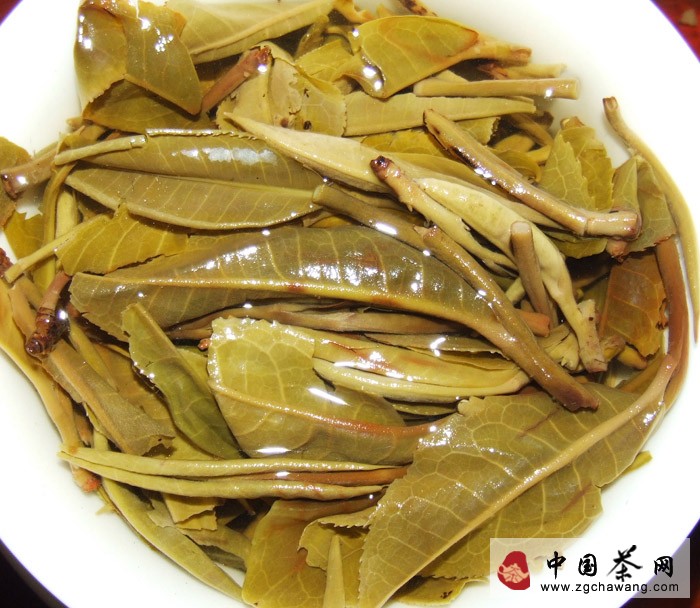
Selecting tea leaves, identifying the quality of tea, and judging tea material by examining the leaf base cannot be completely accurate, but rather "making the best possible estimation." In most cases, good tea naturally exhibits characteristics of good material; in rare instances, invisible processing or storage issues might prevent good material from becoming good tea. Even so, studying the leaf base remains knowledge worth understanding for Pu'er tea enthusiasts.
1. Below: First Spring (Ancient tree, thick bud material, fragrant and smooth liquor, relatively long sweet aftertaste)
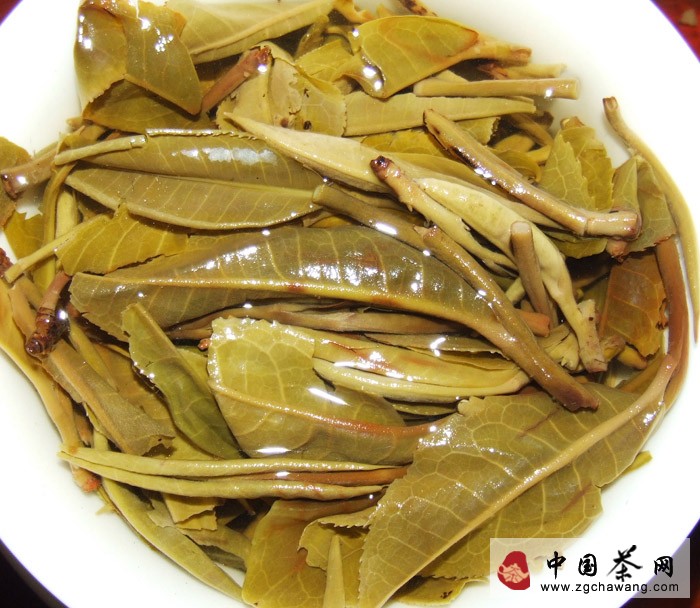
2. Below: Wild. Leathery. Rugged leaf veins.
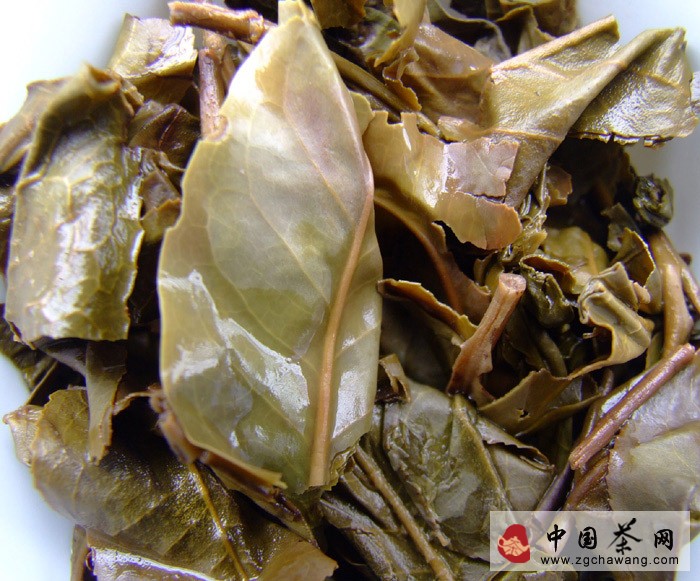
3. Below: Perfect transformation (Even developed 'toad skin,' yet still retains hidden vitality, very good tea)
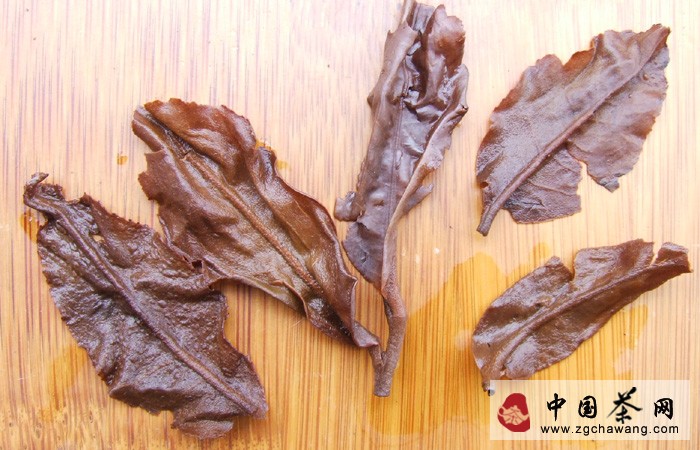
4. Below: Old tree new buds
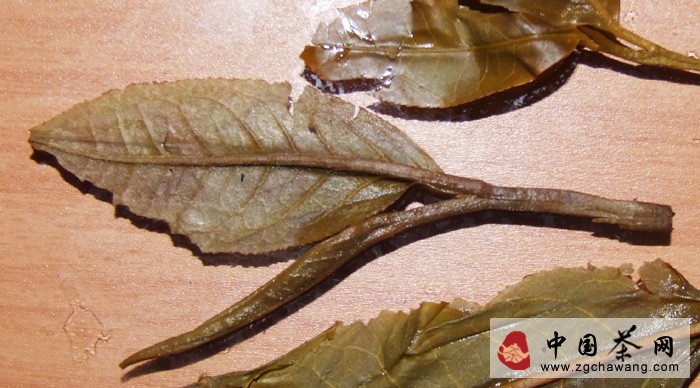
5. Below: Softness of large tree material
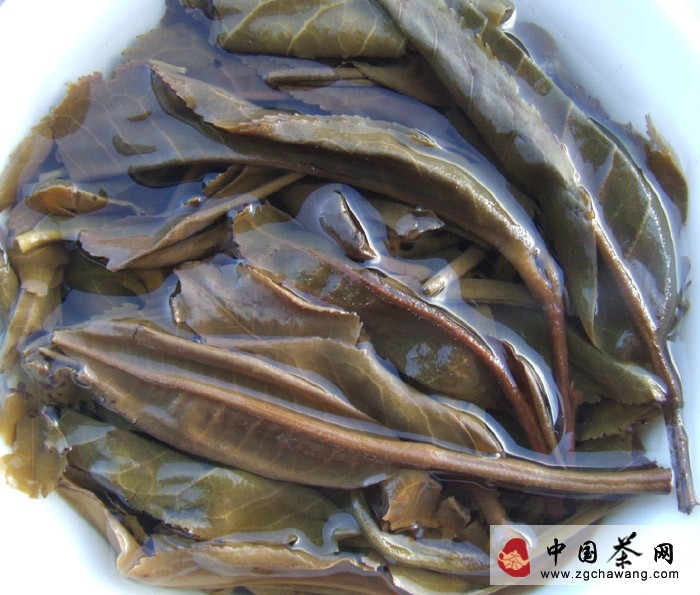
6. Below: YiWu material from wild forests (Even the teeth feel the returning sweetness, the growing environment is indeed very important)
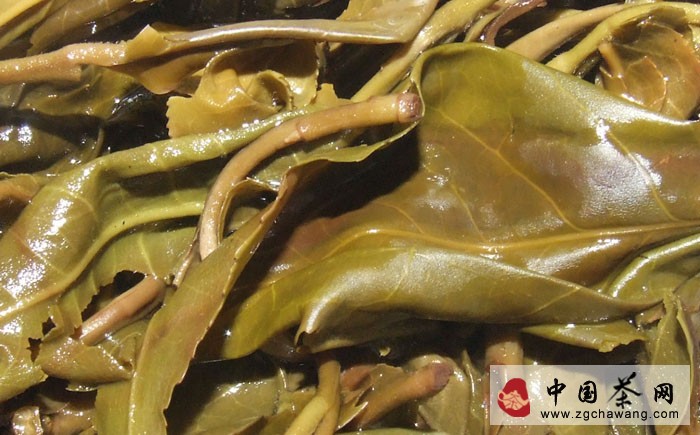
7. Below: Mixed rainy season material (Mixed odors, thin and bland liquor)
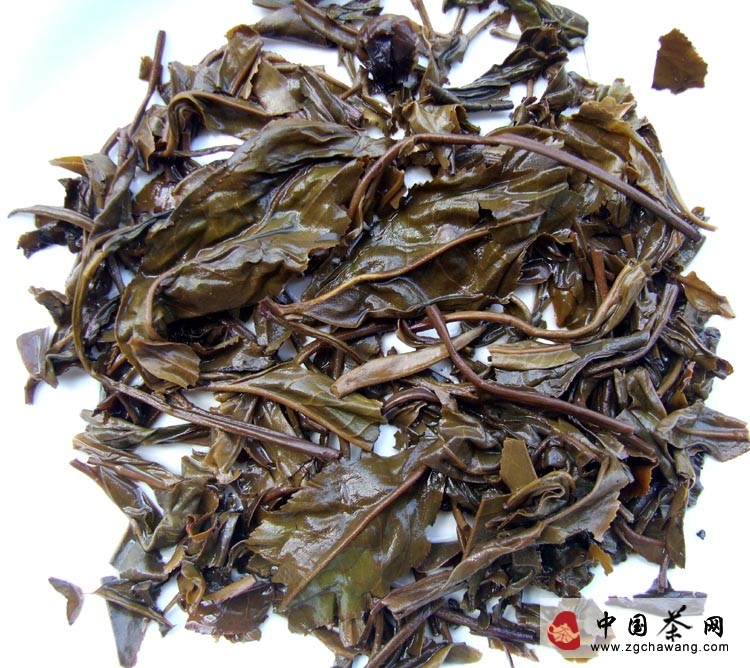
8. Below: Terrace tea material (Suspected of high-temperature baking)
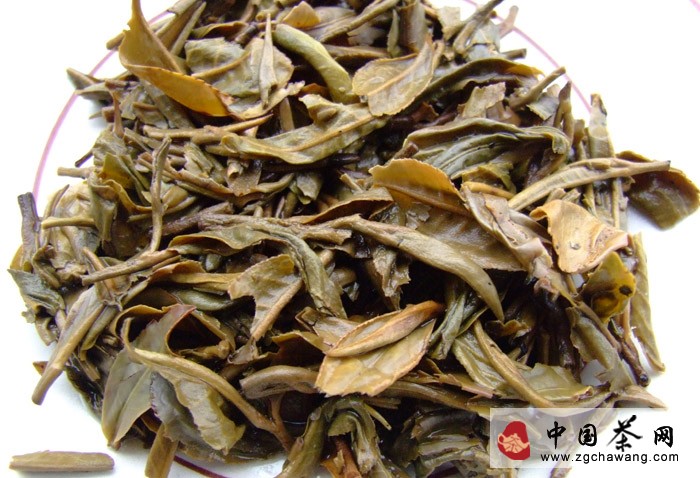
9. Below: YiWu storage (Characteristics: flat fragrance, soft liquor, slightly sweet and smooth)
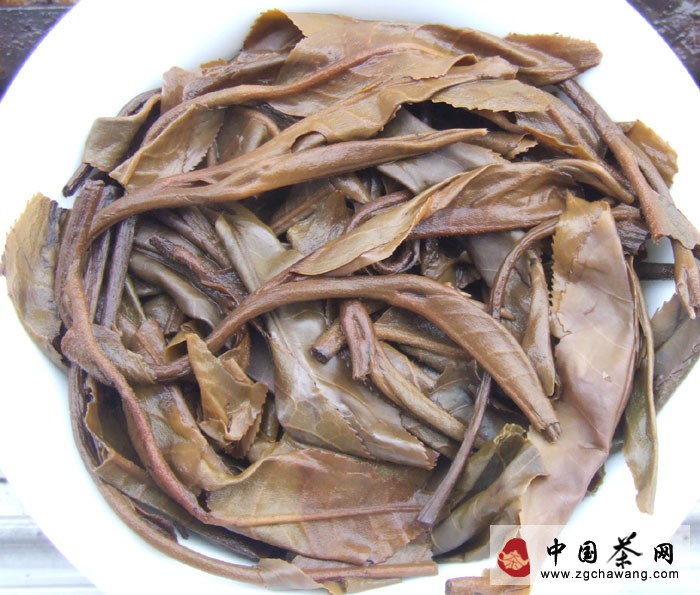
10. Below: Thick large tree material (Deep and broad complexity, long salivation, very high durability)
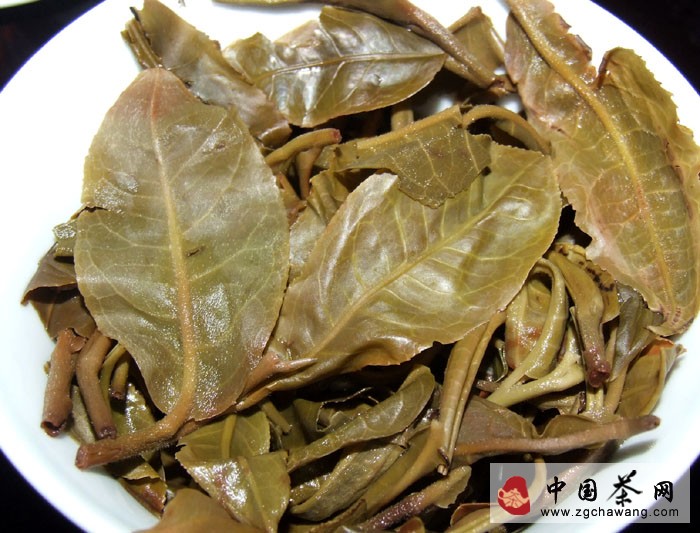
11. Below: Standard rainy season material (Bland, weak fragrance, no appeal at all,不如喝水)
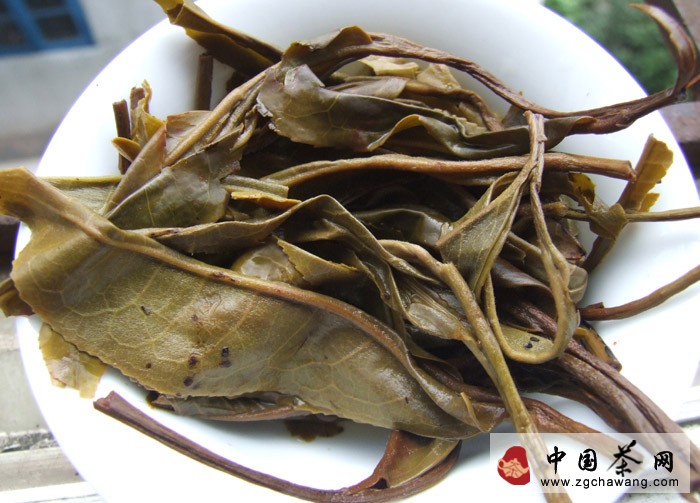
12. Below: Autumn tea (Initially mild, then powerful afterward, taste slightly rough, good salivation)
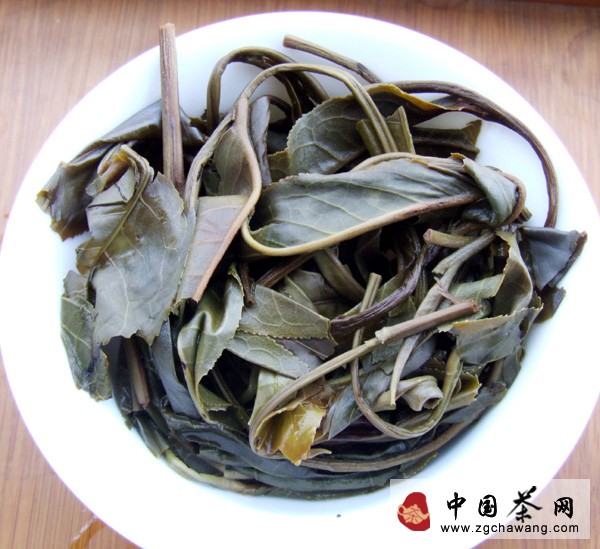
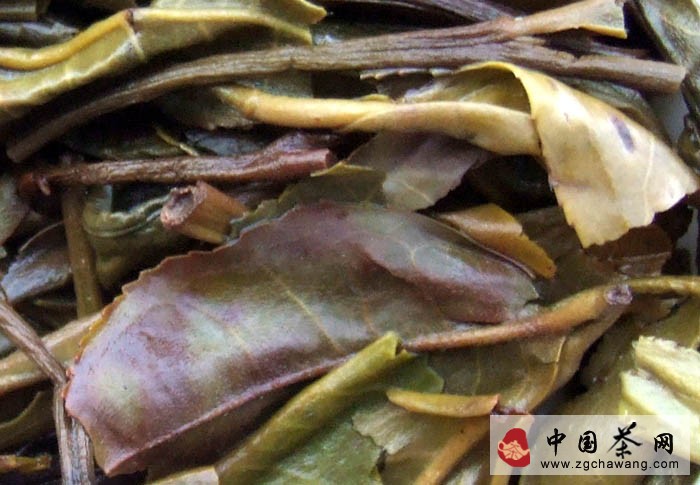
13. Below: Reddened leaves (Mixed sweet taste, unfavorable for later transformation)
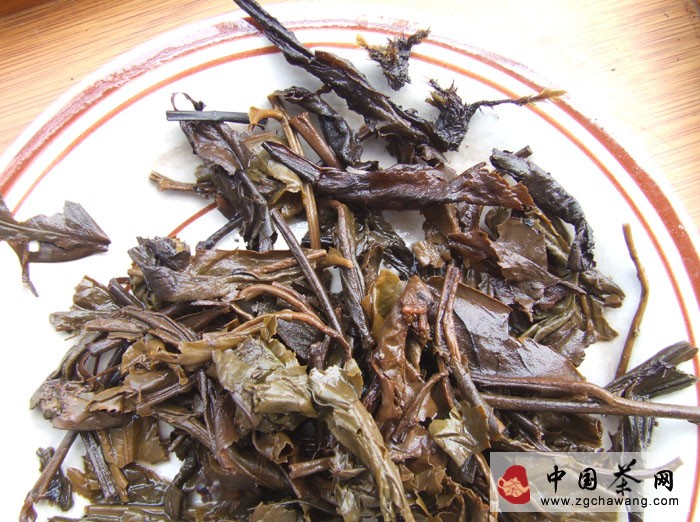
14. Below: Terrible poor tea (Awe-inspiring in a bad way!)
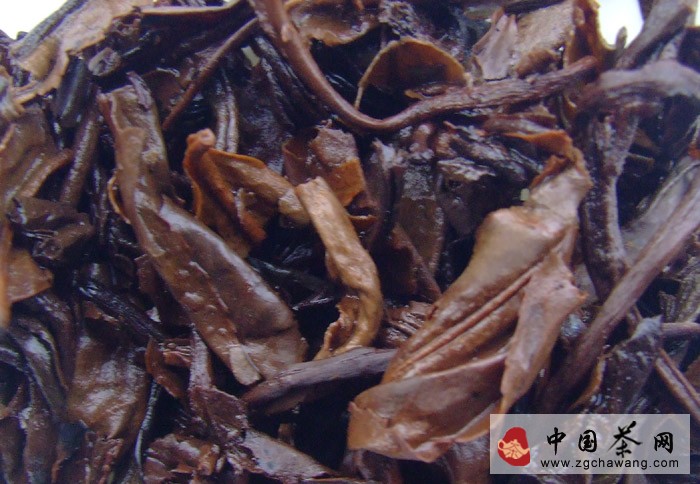
15. Below: Raw-ripe blend (Poor quality blend, bland taste but thick liquor, overly heavy mixed odors, one word: chaotic!)
If you find this article good, please share it with your friends, gratitude!