--------------------------------------
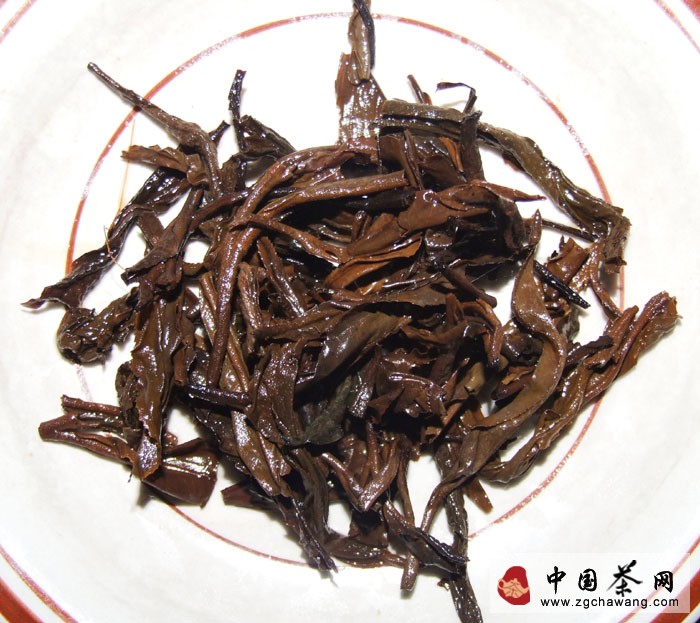
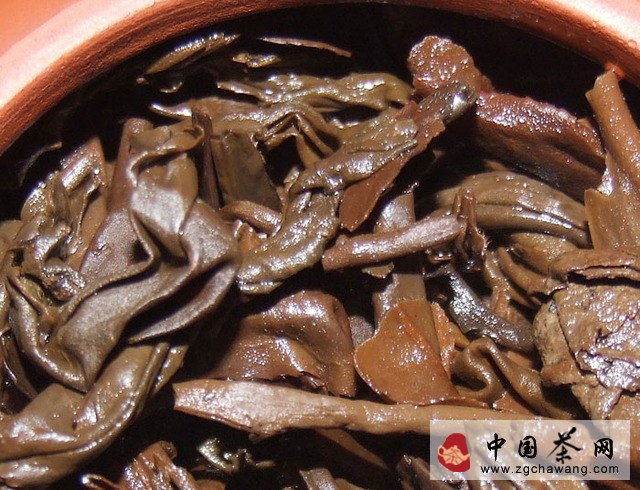
Selecting tea leaves and judging the quality of tea by examining the leaf base is not entirely accurate but serves as a 'best possible estimate.' In most cases, good tea exhibits characteristics of high-quality raw materials; in rare instances, invisible processing or storage issues may prevent good leaves from becoming excellent tea. Even so, studying tea leaves remains valuable knowledge for Pu-erh tea enthusiasts.
16. Below: Ripe tea 7572 (note the unique blend; vitality and glossy appearance are indicators of good ripe tea and aged raw tea)
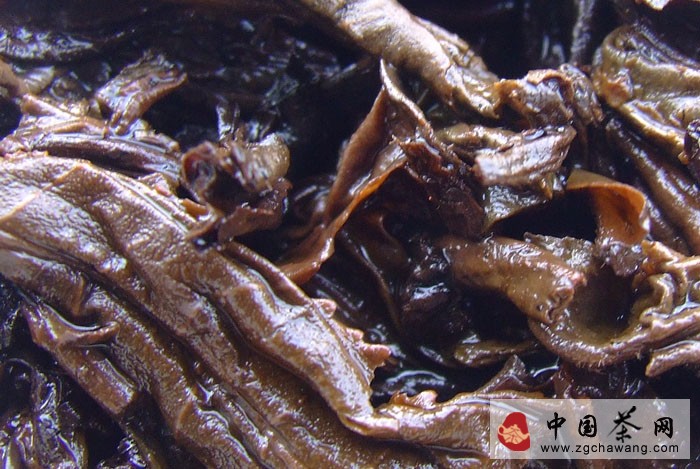
17. Below: High-quality ripe tea (vitality and glossy appearance are indicators of good ripe tea and aged raw tea)
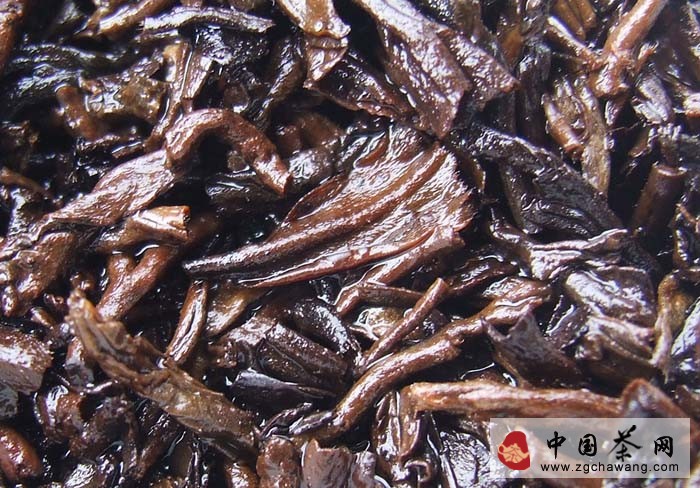
18. Below: Burnt (damaged) leaf base, often accompanied by a heavy mixed (fire) odor, losing its potential for further transformation
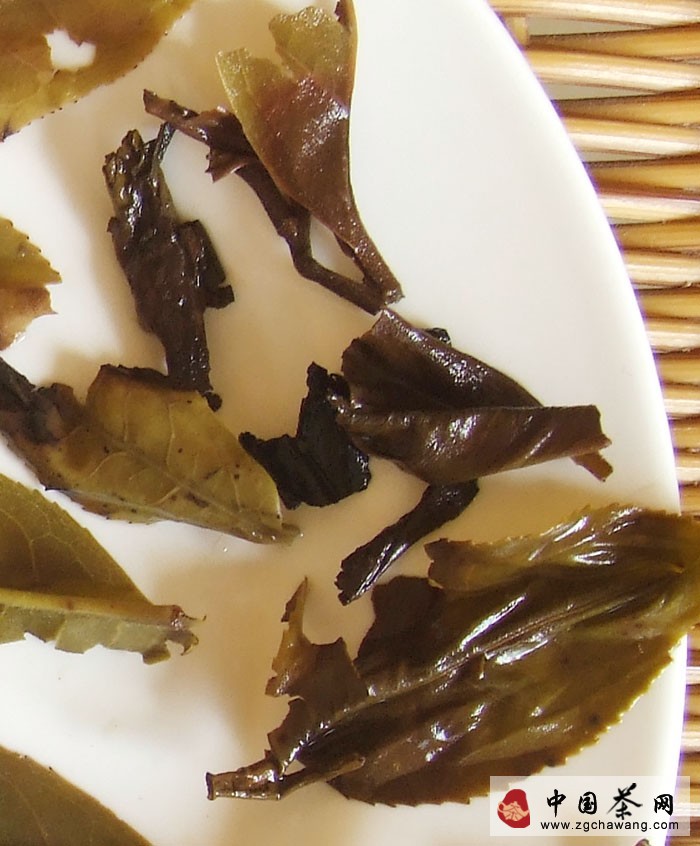
19. Below: Excessive impurities, one of the conditions for smoky or mixed odors, which may significantly impact health
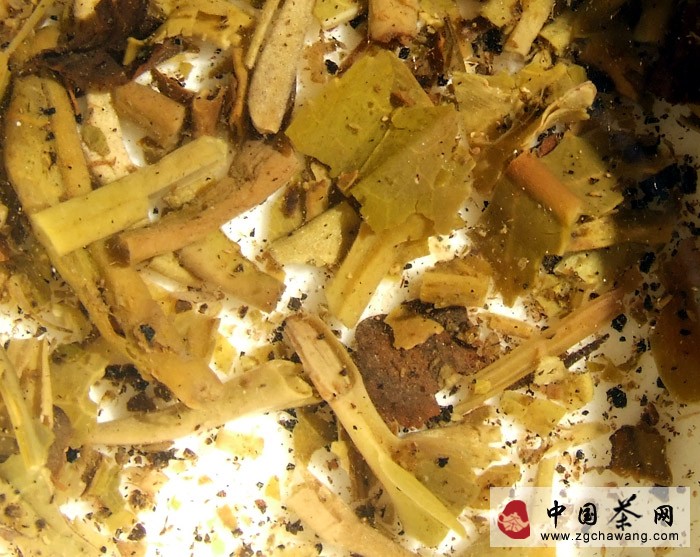
20. Below: Leaf base of a counterfeit 7542 (sweet and refreshing aftertaste in later infusions, but with a strong throat irritation—a specimen of poor blending)
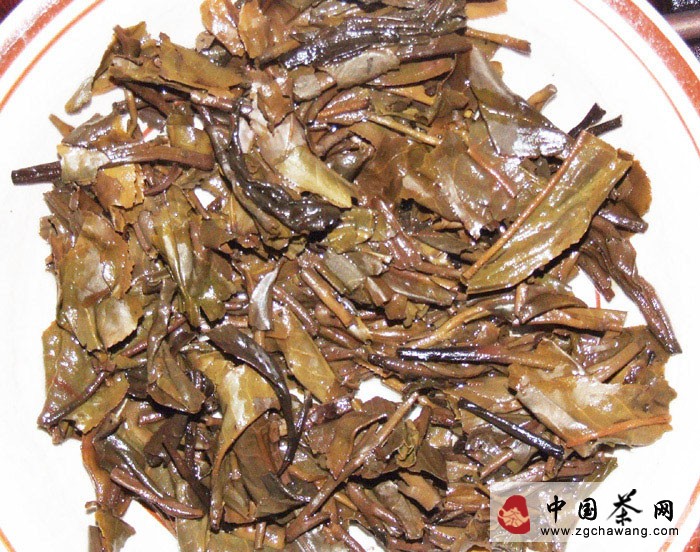
21. Below: Wild tea leaves (a mix of coarse, old, tender, and young leaves, offering a stronger taste and richer flavor profile)
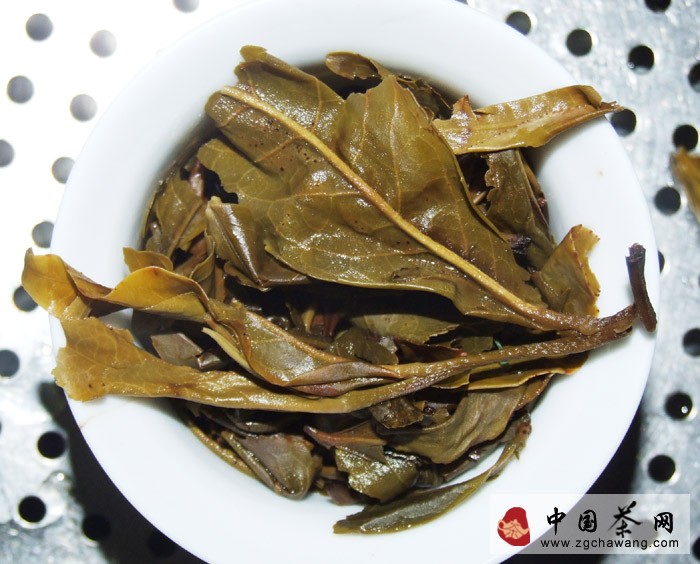
22. Below: Slight reddening commonly found in large tree leaves (personally, I consider this normal for large/ancient tree leaves)
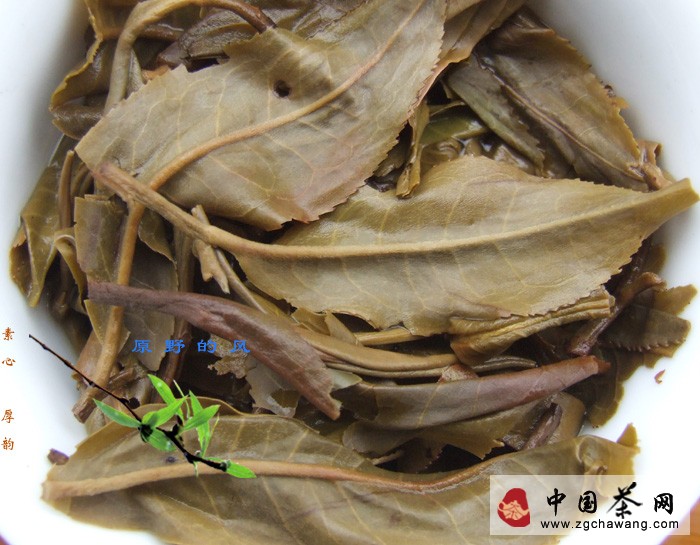
23. Below: First flush terrace tea leaves
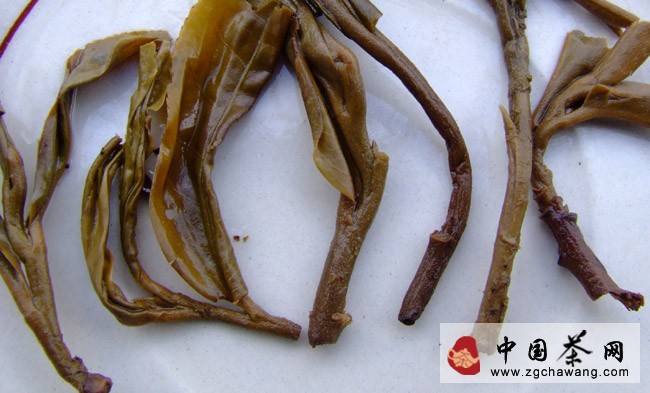
24. Below: (Black tea-like bud material) Unknown tea leaves pressed into cake form to impersonate high-quality Pu-erh tea! Choose carefully
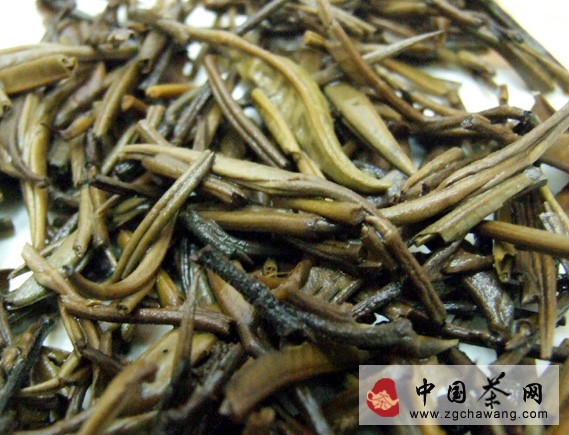
25. Below: Leaves exhibiting high-temperature aroma, showing signs of scorching (flavor has turned green tea-like; observing subsequent transformation)
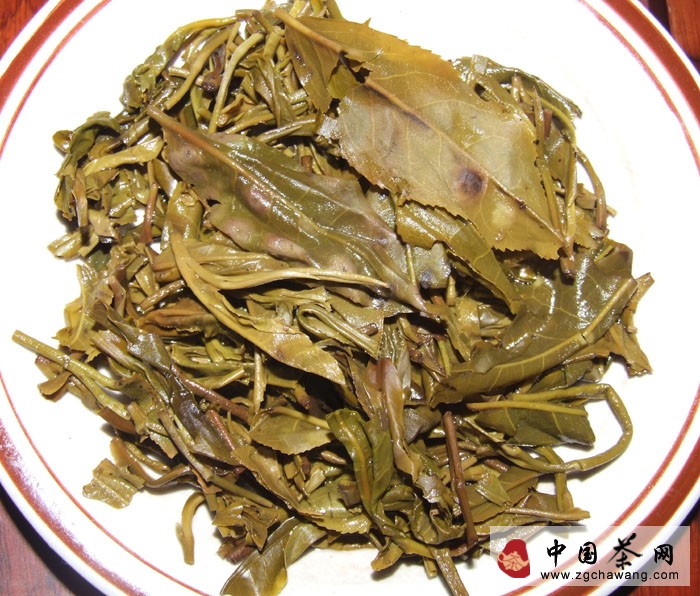
26. Below: Normally stored 88 Qing
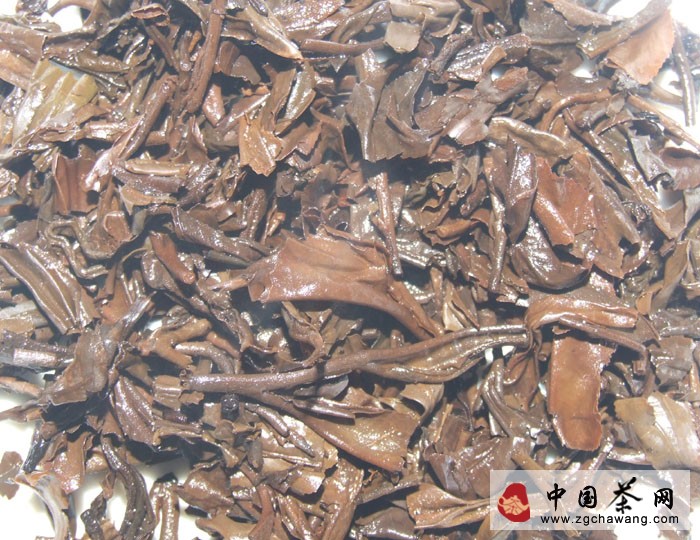
27. Below: Liao Fu loose tea (Vietnamese raw material)
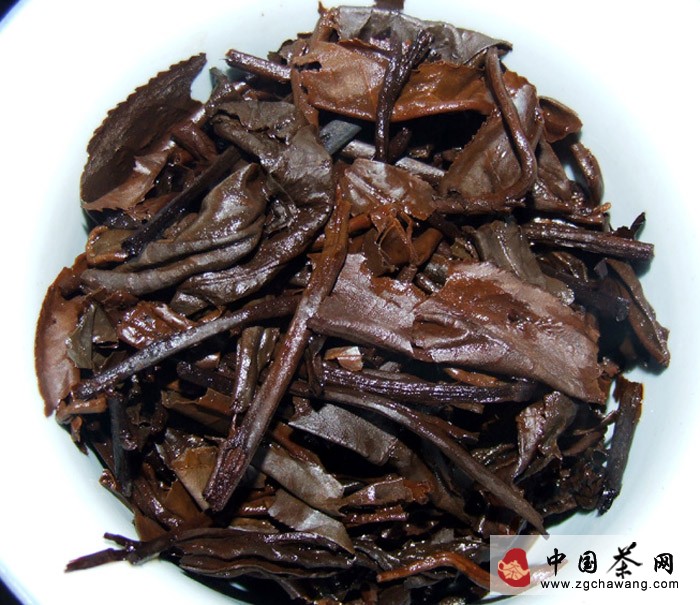
28. Below: Over twenty years of transformation
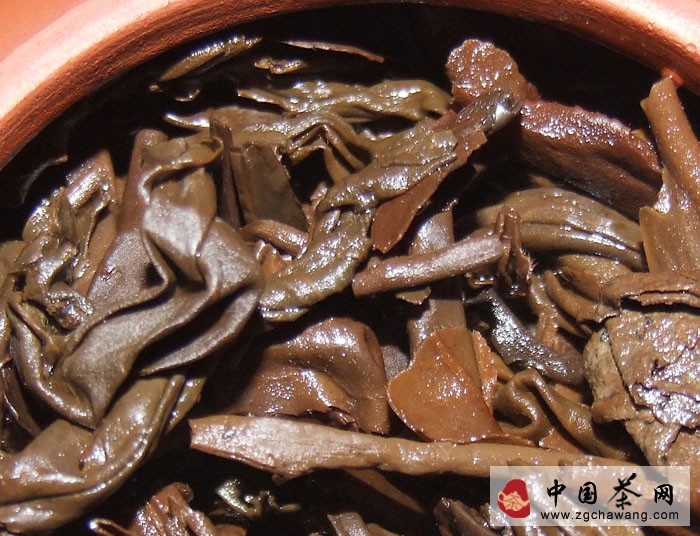
29. Below: Rarely tasted 'Hao Ji loose tea' (leaf base after boiling in an iron pot for three rounds)
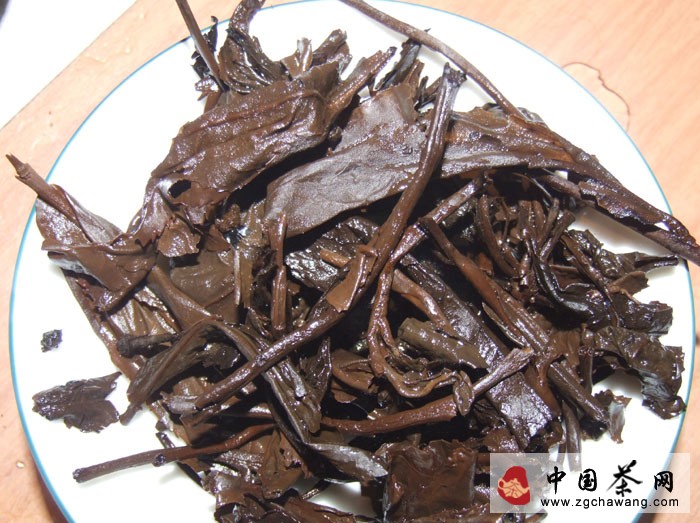
30. Below: Well-transformed 'Hong Kong stored' tea