11. How to Identify Spring Tea?
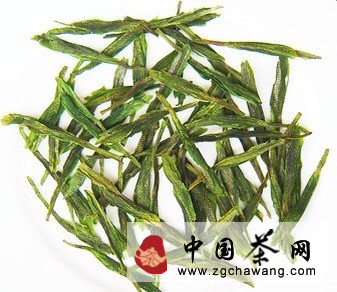
Tea made from the first buds and leaves sprouted by tea plants after overwintering is called spring tea.
Due to the abundant nutrients in tea plants, spring tea has fleshy and thick leaves, high content of aromatic substances and vitamins, a fresh and refreshing taste, and a strong aroma. The appearance is tightly rolled and solid. Typically, green tea has a moist green color, while black tea appears dark and glossy, indicating good quality.
12. Why Does Tea Age?
During storage, tea undergoes automatic oxidative decomposition, volatilization, and condensation reactions under the influence of light and air, resulting in a dull aroma and reduced quality, leading to tea aging.
13. Why Does New Tea Taste Better Than Old Tea? (Excluding Pu'er Tea)
New tea refers to tea produced and processed in the current year, while old tea refers to tea produced in previous years. New tea tastes better mainly because amino acids, vitamins, aromatics, and other substances in new tea have not been degraded or lost. In contrast, these components in old tea gradually oxidize and deteriorate during storage, making new tea superior in flavor.
14. Why Is Tea Prone to Moisture Absorption?
Tea is a dry substance with strong hygroscopic properties, easily absorbing external moisture. If stored improperly, it can quickly become damp, losing its freshness. Thus, moisture absorption adversely affects tea quality.
15. What Is the Suitable Moisture Content for Storing Tea?
Moisture acts as a solvent that promotes chemical reactions in tea components. The higher the moisture content, the faster the diffusion and interaction of beneficial components, accelerating tea aging. Therefore, during storage, moisture content should generally be controlled below 6% to prevent rapid oxidation. The lower the moisture content, the better the tea quality is preserved.
16. What Is the Suitable Temperature for Storing Tea?
Temperature primarily accelerates the automatic oxidation of tea. The higher the temperature, the faster the deterioration. Tea is generally suitable for low-temperature refrigeration, which slows down the oxidation process of various components. A temperature around 10°C is ideal for storage, while 0°C to 5°C is even better.
17. Why Should Tea Not Be Stored for Too Long?
Tea should not be stored for extended periods because it is susceptible to automatic oxidation during storage, influenced by temperature, moisture content, environmental conditions, and light exposure. Particularly for premium teas, color and freshness diminish, and chlorophyll decomposes easily under light and heat, leading to deterioration.
18. How to Choose Tea?
Tea quality is primarily assessed by color, aroma, taste, and appearance. Different types and varieties of tea have varying standards for these attributes. Generally, green tea should be vibrant green rather than yellowish; black tea should be dark and glossy rather than dull. Scented tea should be pure green without gloss, avoiding grayish-green with shine. No tea should have off-odors. Green tea should have a fresh aroma, not astringent; black tea should be sweet and fragrant, not sour. Scented tea should combine the freshness of green tea with the fragrance of flowers. If it only has the tea's aroma without the floral scent, flowers are insufficient; if only the floral scent is strong but the tea flavor is weak, flowers have overwhelmed the tea. Ideal scented tea balances rich floral notes with robust tea flavor. Taste is evaluated through brewing: dry tea with a fresh and lively aroma is new; a dull and heavy smell indicates old tea, and any discomfort suggests spoiled tea. Appearance varies by type, but for strip-shaped tea, tightly rolled, heavy, round, and uniform strips are best; loose, light, and uneven strips are inferior.
19. What Are Some Methods for Storing Tea at Home?
Moisture content is crucial to tea processing and aging. If planning to store tea for gradual consumption, check its moisture content—the lower, the better. Test by gently pinching the tea: if it crumbles into powder, moisture is low and suitable for storage; if not, dry it over low heat before storing. Common household storage methods include:
(1) Thermos Method: Place tea in a thermos and seal it tightly.
(2) Low-Temperature Refrigeration: Pack tea in an iron can, seal it, cover with a plastic bag, seal again, and refrigerate.
(3) Desiccant Method: Place a desiccant on the lid of an iron can, separated by paper, then put tea in a plastic bag and place both in the can. Seal the lid with tape.
20. Do You Know the Elegant Names and Alternative Terms for Tea?
"Sleepless Noble," "Pure Friend," "Ye Jia," "Trouble Cleanser," "Longjing," "Da Hong Pao," "Mao Feng"
(Edited and compiled: Mao Xianxian)