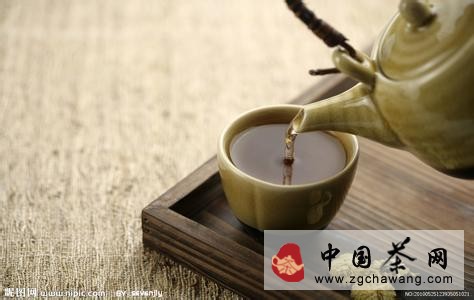
1. How many times can a cup of tea be steeped
The number of times tea leaves can be steeped depends not only on their tenderness but also primarily on the processing method. During initial processing, if the leaves are cut or broken, the tea infusion extracts more easily. Coarse, mature, whole leaves release their infusion more slowly.
Regardless of the tea type, the first infusion typically extracts 50%–55% of the total soluble matter; the second infusion generally extracts about 30%; the third around 10%; and the fourth only 1%-3%.
From a nutritional perspective (vitamins and amino acids), about 80% is extracted in the first infusion, roughly 15% in the second, and essentially all is extracted after the third infusion.
For common black tea, green tea, and scented tea, steeping 3 times is appropriate. Oolong tea, often using larger quantities of coarse leaves, can be steeped more times. Bagged tea made from broken black tea (red碎茶) is usually suitable for a single infusion. Letting one cup of tea steep all day from morning to night is not advisable. Multiple infusions can lead to the gradual release of some hard-to-dissolve harmful substances (like certain trace pesticide residues), which is detrimental to health.
2. Tea Drinking Varies with the Seasons
Tea drinking should correspond to the seasons: flower tea in spring, green tea in summer, oolong tea (green tea referring to Oolong here, often called 'Qingcha') in autumn, and black tea in winter. The reasoning is: In spring, drinking flower tea helps dispel the cold accumulated in the body during winter; its strong fragrance promotes the rise of Yang energy. In summer, green tea is best. Green tea has a cold, bitter nature, capable of clearing heat, relieving summer heat, detoxifying, quenching thirst, and strengthening the heart. In autumn, oolong tea is preferable. This tea is neither cold nor hot, helping to clear residual heat and restore fluids. In winter, black tea is ideal. Black tea is sweet and warm in nature, rich in protein, aiding digestion, nourishing the body, and making one strong.
3. Daily Tea Consumption: 2–6 grams
Although tea contains various vitamins and amino acids, and drinking tea can help cut grease, mildly stimulate the nerves, aid digestion, and promote diuresis, it's not true that more is better, nor is it suitable for everyone.
Generally, 1–2 servings per day, with 2–3 grams each time, is appropriate. Individuals with neurasthenia, insomnia, hyperthyroidism, tuberculosis, heart disease, stomach ailments, or intestinal ulcers should not drink tea. Nursing and pregnant women, as well as infants and young children, should also avoid tea.
4. Do Not Drink Overly Strong Tea
Strong tea can excessively increase the body's 'excitability,' adversely affecting the cardiovascular and nervous systems. People with cardiovascular diseases might experience tachycardia or even arrhythmias after drinking strong tea, leading to relapse.
5. Avoid Drinking Large Amounts of Tea During Meals
Drinking a small amount of tea before or during a meal is generally fine, but consuming large quantities or very strong tea can interfere with the absorption of many macroelements (like calcium) and trace elements (like iron, zinc).
Particular care should be taken not to drink tea simultaneously with milk or other dairy products. The theophylline and tannic acid in tea can bind with calcium in dairy products, forming insoluble calcium salts that are excreted, significantly reducing the nutritional value of the dairy products.

6. Excessive Tea Drinking Hinders Digestion
Tea contains a large amount of tannic acid. When it combines with food proteins from meat, eggs, or seafood to form tannin-protein complexes, which have an astringent effect, it can slow down intestinal peristalsis. This not only easily causes constipation but also increases the possibility of the body absorbing toxic or carcinogenic substances.
7. Do Not Drink Green Tea and Goji Berries Together
Both green tea and goji berries can be brewed separately with boiling water and are very beneficial. Many people simply brew them together. However, the high tannic acid content in green tea has a收敛 and adsorbent effect; it can adsorb trace elements from the goji berries, creating substances difficult for the body to absorb. Therefore, experts suggest: drink green tea in the morning to stimulate appetite and refresh the mind; brew goji berries in the afternoon to improve constitution and aid sleep.
8. Tea After Alcohol Harms the Body
After drinking alcohol, ethanol enters the bloodstream through the gastrointestinal tract, is converted to acetaldehyde in the liver, then to acetate, which decomposes into carbon dioxide and water before being expelled. Drinking tea after alcohol allows the tea's theophylline to rapidly induce a diuretic effect on the kidneys, promoting the premature entry of undecomposed acetaldehyde into the kidneys. Acetaldehyde significantly irritates the kidneys, thus affecting renal function. People who frequently drink strong tea after alcohol are prone to kidney disease.
Moreover, ethanol in alcohol greatly stimulates the cardiovascular system, and tea also excites the heart. Combining the two enhances the stimulation to the heart, posing greater risks for individuals with heart conditions.
9. Fresher Tea is Not Always Better
From a nutritional standpoint, the freshest tea leaves are not necessarily the best. So-called new tea refers to leaves picked less than a month ago. These leaves, not having been stored for a period, may still contain substances that can adversely affect the body—such as polyphenols, alcohols, and aldehydes—which haven't fully oxidized.
Drinking large quantities of new tea over time might cause uncomfortable reactions like diarrhea and bloating. Very fresh tea is even less suitable for certain individuals, such as those with gastric acid deficiency or elderly patients with chronic gastric ulcers. New tea can irritate their gastric mucosa, cause gastrointestinal discomfort, and potentially worsen their condition.