Black tea can be roughly divided into three major categories: Souchong, Gongfu Black Tea, and Broken Black Tea.
First Category: Souchong
This primarily includes the Lapsang Souchong series, which can be further subdivided into Lapsang Souchong, Waishan Souchong, and Junmei.
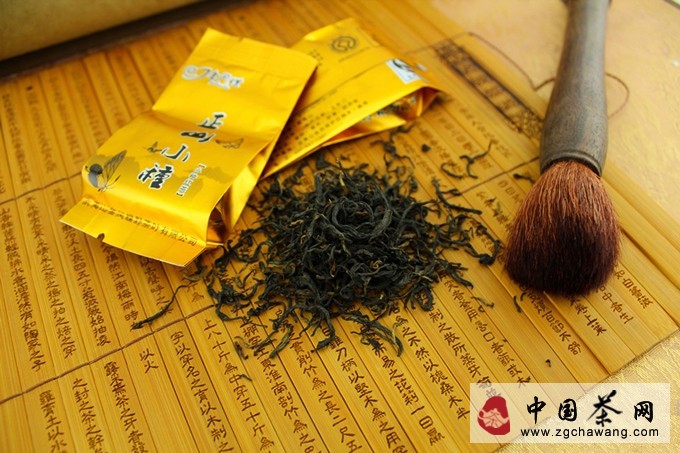
【Lapsang Souchong】
Produced in Tongmuguan, Xingcun Township, Chong'an County (Wuyishan), it is also known as "Xingcun Souchong" or "Tongmuguan Souchong".
Lapsang Souchong can be divided into Eastern and European taste profiles. The Eastern taste emphasizes a "longan soup" flavor, while the European taste features a more pronounced "pine smoke" aroma.
Lapsang Souchong is mostly handmade. The leaves are thick and substantial. When brewed, the tea soup is deep red and rich, with a dark, glossy appearance. It has a high, long-lasting aroma with pine smoke notes, a mellow and thick taste reminiscent of longan soup. It is believed to have effects such as refreshing the mind, relieving summer heat, beautifying, and fighting cancer. It is also not very demanding on water quality, highly adaptable, and maintains its flavor well regardless of when or where it is brewed.
【Waishan Souchong】
Mainly produced in Zhenghe, Tanyang, Gutian, Shaxian in Fujian, and in recent years also in Yanshan, Jiangxi.
Waishan Souchong is also called "Smoked Souchong". Its overall quality is slightly inferior to Lapsang Souchong. The tea leaves are darker and more lustrous than Lapsang Souchong, with a distinct pine smoke flavor, making it more suitable for the strong tastes of Western countries.
Abroad, it is usually consumed with sugar or milk. The characteristic of milk turning腥 when meeting hot water neutralizes the strong pine smoke aroma of Lapsang Souchong. Adding sugar cubes results in a tea soup color and taste resembling coffee, earning it the reputation of "Chinese coffee".
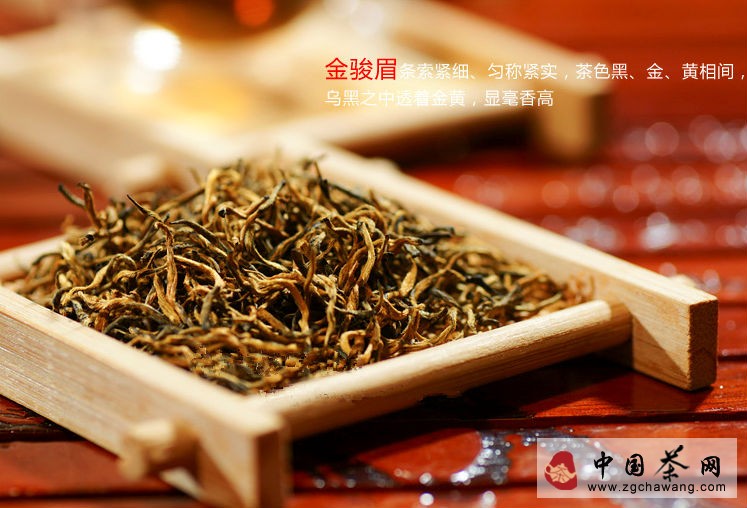
【Junmei】
This is an extension of the Lapsang Souchong variety. Based on whether it's made from whole buds, one bud and one leaf, or one bud and two leaves, it can be divided into Golden Junmei, Silver Junmei, and Copper Junmei.
Second Category: Gongfu Black Tea
The most famous types of Gongfu Black Tea are these three: Fujian (Min) Gongfu, Keemun Gongfu, and Yunnan (Dian) Gongfu. (Note: Some people write it as "Kung Fu Black Tea"; please note that spelling is incorrect.)
Additionally, there are Hunan (Hu) Gongfu, Tieguanyin Black Tea, Sichuan (Chuan) Gongfu, Yichang (Yi) Gongfu, Zhejiang (Yue) Gongfu, Fuliang Gongfu, Xianghong Gongfu, Taiwan Gongfu, Jiangsu Gongfu, Guangdong (Yue) Gongfu, etc.
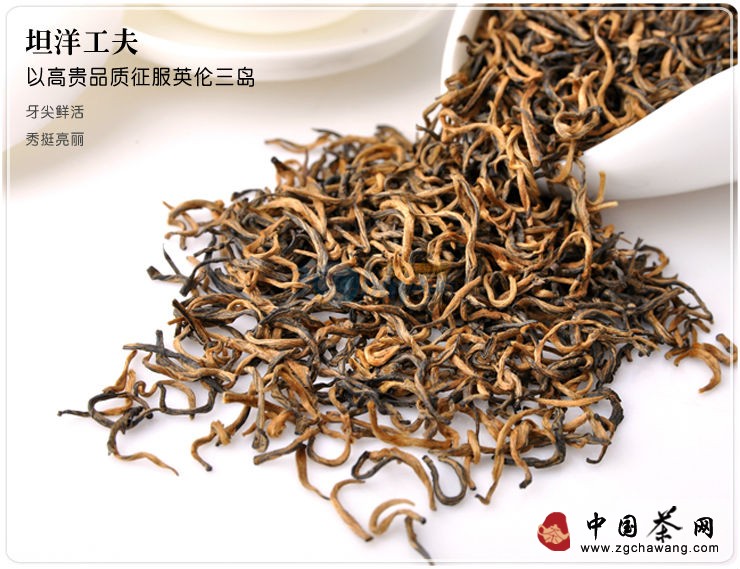
【Fujian (Min) Gongfu】
Fujian Gongfu can be further divided into three subtypes: Zhenghe Gongfu, Tanyang Gongfu, and Bailin Gongfu.
Zhenghe Gongfu:
Produced in Zhenghe, Fujian. It is categorized into "Da Cha" (Big Tea) and "Xiao Cha" (Small Tea) based on variety. Da Cha is made from Zhenghe Dabai tea leaves, while Xiao Cha is made from small-leaf varieties. Da Cha is the main type.
Tanyang Gongfu:
Tanyang Gongfu has a wider distribution, mainly produced in Fu'an, Zherong, Shouning, Zhouning, Xiapu, and the northern part of Pingnan in Fujian. Among these, the "Guiling Black Tea" produced between Chaling Village and Chaping Village at the border of Shouning and Zhouning is the top-grade product of Tanyang Gongfu.
Bailin Gongfu:
Mainly produced in Fuding, Fujian, it belongs to the small-leaf variety of black tea. The strips are tight, slender, and elegant, containing a large amount of orange-yellow pekoe. It has a particularly fresh and pleasant pekoe aroma. The tea soup and brewed leaves are brilliantly red and bright, named "orange red," meaning orange-red Gongfu black tea.
The production areas of the three major Fujian Gongfu teas are relatively close, concentrated around the border of Nanping and Ningde, extending towards the Ningde direction.
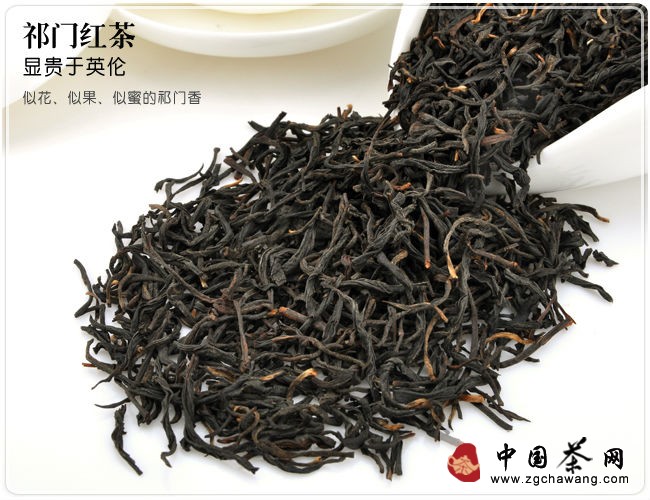
【Keemun Black Tea】
Mainly produced in Qimen County, Anhui Province, with small amounts also produced in neighboring counties like Shitai, Dongzhi, Yixian, and Guichi. The finished tea has tightly wound, slender, and elegant strips, a dark and glossy appearance with visible golden pekoe. The tea soup is bright red, the taste is fresh, mellow, and full, and the aroma is clear and long-lasting. Its world-famous "Keemun fragrance," reminiscent of flowers, fruit, and honey, ranks first among the world's three major high-aroma teas.
【Yunnan (Dian) Gongfu】
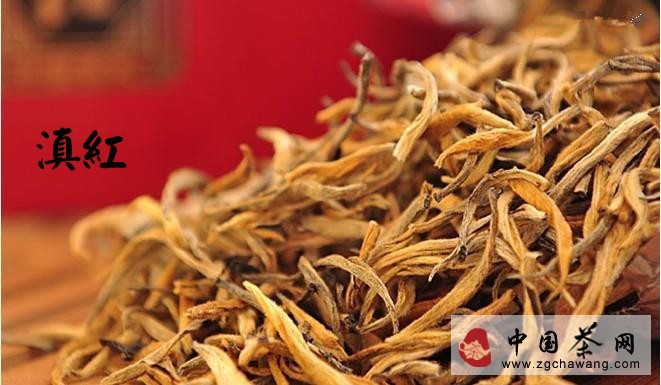
Mainly produced in Lincang, Baoshan, and other areas in Yunnan. It is a rising star among Chinese Gongfu black teas, belonging to the large-leaf variety. It stands out with its unique quality of plump, tight leaves, prominent golden pekoe, strong aroma, and rich flavor, making it famous worldwide.
Yunnan Gongfu has tightly wound, stout, and robust strips. The dry leaves are dark and glossy with very prominent golden pekoe. The tea soup is bright, the aroma is fresh, rich, and long-lasting, the taste is strong, fresh, and stimulating. The brewed leaves are evenly red, tender, and bright, possessing a unique style domestically and are a highly welcomed Gongfu black tea worldwide.
Third Category: Broken Black Tea
Broken Black Tea can be further subdivided into flake tea, leaf tea, and broken tea based on its appearance. Some places also include dust tea, but dust tea is roughly similar to broken tea.
Its production areas are widely distributed across Yunnan, Guangdong, Hainan, and Guangxi, mainly for export. With over a hundred years of production history, it is presumably easier for foreigners to brew milk tea with. Its development in China is a more recent phenomenon, spanning about the last 30 years.
Two famous Chinese Broken Black Teas are Yunnan Broken Tea and Nanchuan Broken Tea.
【Yunnan Broken Tea】
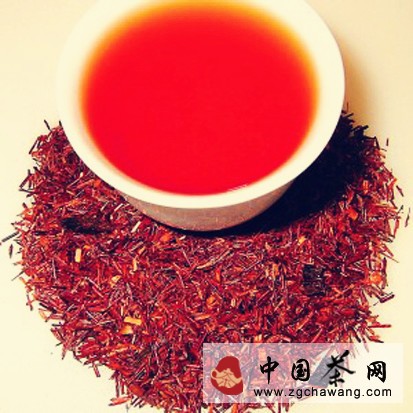
Yunnan Broken Tea is made using fresh leaves from the excellent Yunnan large-leaf tea plant. The process involves withering, rolling or rolling-cutting, fermentation, and drying to make the initial tea product. This is then further processed into Yunnan Gongfu tea or rolled and cut into Yunnan Broken Tea. Historically, all these processes were done manually.
This technique was successfully trialed in Fengqing and Menghai counties in 1939. The finished tea has tightly wound, stout, and plump strips, a dark and glossy appearance. The tea soup is bright red, the aroma is fresh and strong, the taste is mellow and thick with astringency. The brewed leaves are evenly red, bright, and lustrous, with very prominent golden pekoe. The pekoe color ranges from light yellow, chrysanthemum yellow, to golden yellow. It is a famous tea for export.
【Nanchuan Broken Tea】
Nanchuan Broken Tea primarily uses one bud with two or three leaves (secondary and tertiary fresh leaves) from Yunnan large-leaf tea plants, with over 50% being one bud and two leaves. No more than 20% can be opposing leaves or single leaves of the same tenderness.
Processing Technique:
Fresh leaf withering → Rolling → Rolling-cutting → Shaking and sieving (repeated rolling-cutting and sieving of sieve surface) → Fermentation → Drying.
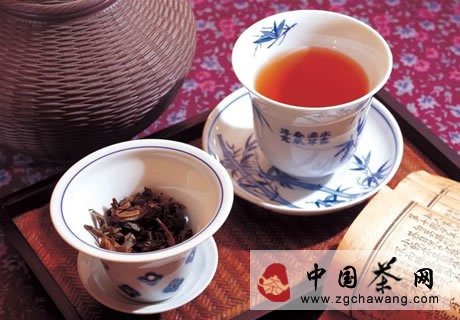
Nanchuan Broken Tea has tightly clustered, heavy granules with a dark and glossy appearance. The aroma is high and long-lasting, the taste is strong, brisk, and fresh, the tea soup is red and bright, and the brewed leaves are red, bright, tender, and even. It possesses the quality characteristics of "strong, brisk, fresh, and aromatic" with stable quality. Since 1982, it has received tea merchants and professionals from Japan, the United States, the United Kingdom, Pakistan, and other countries, who have given high praise to Nanchuan tea.