Storing Green Tea
First, the moisture content of green tea should be as low as possible, not exceeding 6%.
Second, the relative humidity of the storage environment should be low, ideally controlled below 60%.
Third, the surrounding storage environment should be free of odors and avoid direct sunlight. These are the prerequisite conditions for preserving green tea.
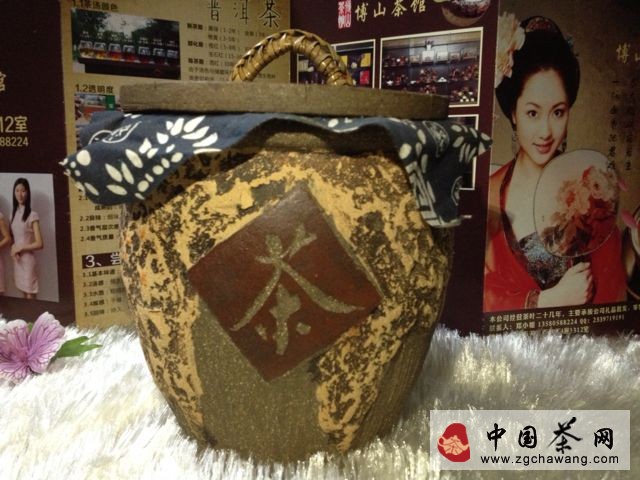
The traditional household storage method often uses the lime jar drying method, which is somewhat effective.
Choose a suitably sized, well-sealed container such as an iron box, glass jar, or rice jar. Wrap an appropriate amount of tea leaves in kraft paper into small packets and place them on top of highly absorbent materials like lime, silica gel, or charcoal, then seal the container. The amount of absorbent material should be determined based on the tea's moisture content. If using quicklime, the general ratio of tea to quicklime is 5-6:1.
Nowadays, household refrigerators are very common. Using a refrigerator for low-temperature storage is a good method—simple, reliable, and noticeably effective. However, because tea easily absorbs odors and moisture, and household refrigerators typically contain various foods, special attention must be paid to the barrier properties of the outer packaging when storing green tea at low temperatures in a fridge, particularly its gas barrier properties, to prevent odor transfer. The simplest and most economical method is to place the tea packaging inside one or two layers of high-density polyethylene bags and then seal them tightly.
Storing Tieguanyin
How to properly store new Tieguanyin tea? First, keep it dry; second, keep it at a low temperature (around 5°C). No matter how good the quality of the tea is, if the storage method is improper, it will quickly become dull in color and lose its aroma, affecting the drinking experience.
Keep Dry and Do Not Mix with Other Items
Whether it's tea packaged in composite film bags or tin cans, it must be placed in a dry location.
If it's loose tea, it can be wrapped well in a tea bag and placed in a jar or crock with a desiccant (such as un-slaked lime lumps), with the lid tightly closed.
If the quantity of tea is small and very dry, it can also be sealed in two layers of moisture-proof film bags and placed in the refrigerator, ensuring it is not stored with other foods.
Storing Pu-erh
In fact, the storage conditions for Pu-erh tea are the most lenient among all tea types.
Generally speaking, it is sufficient to avoid direct sunlight, keep it in a cool and ventilated place, and away from items or environments with strong odors, such as soap, mosquito coils, mothballs, kitchens, bathrooms, etc. If you have a larger quantity of Pu-erh tea for aging, you might allocate a small room, equip it with a dehumidifier and thermometer, and turn the piles regularly.
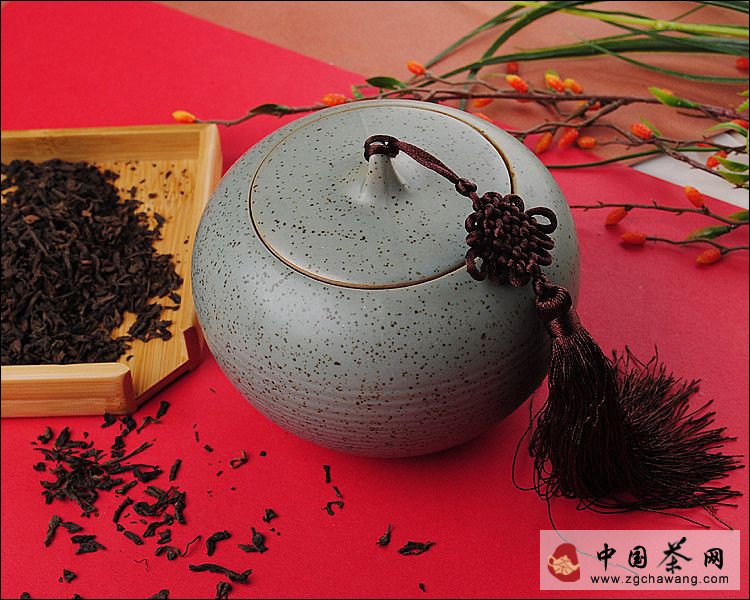
A method widely adopted by tea enthusiasts currently is the "Pottery Jar Stacking Method": Take a wide-mouthed pottery jar, mix and place old and new tea leaves inside (it's best to remove any packaging to facilitate aging), and cover the jar mouth with a wooden board or cotton cloth to ensure ventilation while keeping out dust and foreign objects.
Furthermore, for tea cakes that are about to be consumed, experienced tea drinkers have another method called the "Tea Qi Harmonizing Method": Break the entire tea cake into loose tea, place it in half-catty or one-catty purple clay jars (avoid using airtight metal jars), let it sit for half a month, and then it's ready to use. This is because tea cakes often have looser outer layers and stronger "qi" in the center. After applying the above "Tea Qi Harmonizing Method," the inner and outer parts complement each other, allowing one to enjoy higher quality tea soup.
Storing Rock Tea
1. Seal it. Note: use foil-sealed bags. Plastic bags can develop odors over time.
2. Keep it dry. Do not store it in the refrigerator; keep it in a dry place at home.
3. Avoid light; absolutely do not place it in direct sunlight.
4. Prevent odor contamination. Do not store it together with other odorous foods. As for temperature, generally speaking, room temperature is fine if the above conditions are met.
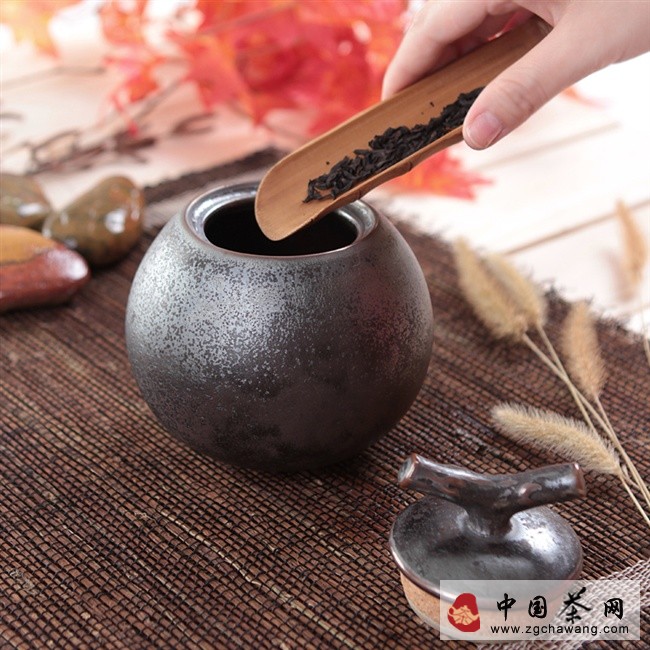
At home, place it in a location that meets the above conditions. Generally, packaged tea can be preserved for two years. If you want to store it for more years, it's best to purchase a dedicated stainless steel tea bucket. Place a layer of bamboo charcoal or quicklime at the bottom (to absorb moisture and possible odors), then put the packaged tea inside. Seal the lid well. Under normal conditions, it can be stored for up to ten years without issue.