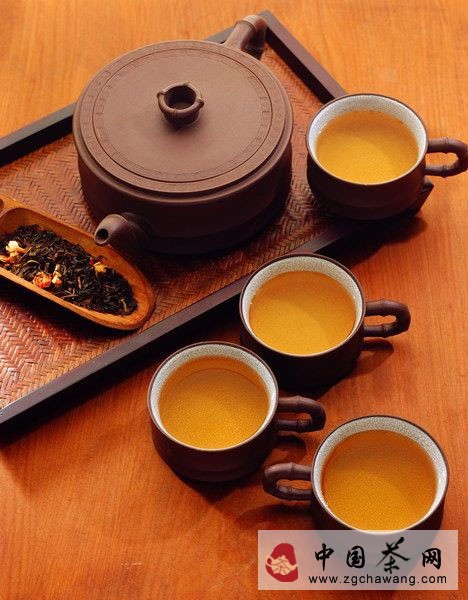
It is often said that tea is fragrant, with a lasting sweet aftertaste, bitter first then sweet. However, some Pu-erh teas have a persistent bitter and astringent taste that does not fade. Is this due to spoiled tea leaves? Or is it because the tea quality is too poor? To understand why some Pu-erh teas remain bitter and astringent without transforming, we have collected various sources of information. Below, we provide the answers for you.
Tea usually has some bitterness and astringency. "Not transforming" means that after the bitterness and astringency, there is no sweetness, and the bitter taste lingers in the mouth for a long time. Good tea can transform bitterness and astringency into sweetness, and the better the tea, the faster it transforms and the quicker the sweetness returns. Its bitterness is cool and expansive. For example, Lao Ban Zhang tea is very bitter when drunk, bitter all the way to the throat, but the bitterness disappears in an instant, immediately turning into sweetness, and the sweet aftertaste stays in the mouth for a long time, making one feel comfortable and pleasant.
Drinking tea should quench thirst and promote saliva production, while tasting tea should bring comfort and pleasure. However, this requires feeling the tea after drinking it and pausing to sense it. Some teas make one feel increasingly dry in the mouth, with a bitter and astringent taste, and may even cause chest tightness, irritability, or discomfort. Why do some Pu-erh teas remain bitter and astringent without transforming? This starts with the ecology of the tea trees. Based on investigations in tea mountains, we first distinguish the ecology of tea plantations: there are original ancient tea gardens, newly developed tea gardens, and terrace tea gardens; some use chemical fertilizers, pesticides, and herbicides, while others do not.
In tea gardens, when tasting fresh tea leaves, it can be found that those treated with chemical fertilizers, pesticides, or herbicides have bitterness and astringency that do not transform, and may cause chest tightness and irritability. In contrast, untreated teas have bitterness and astringency that can transform. Upon closer tasting, the bitterness of the former is "dead" and "solid," while the latter is "cool" and "expansive." The bitterness of the two is different: the former does not transform and causes discomfort; the latter transforms and brings comfort. The bitterness of the former comes from chemical fertilizers and pesticides, while the bitterness of the latter comes from the tea itself. When drinking these two types of tea, the difference is not significant at first sip, and it is difficult for non-professionals to distinguish them. However, after pausing, most people can tell the difference in the aftertaste.
After our introduction, everyone now understands why some Pu-erh teas remain bitter and astringent without transforming. Whether it is Pu-erh tea or other teas, there should be a sweet aftertaste. Some teas have a longer-lasting sweet aftertaste, while others have a shorter one. If you purchase tea that remains bitter and astringent without transforming, it is recommended to stop drinking it or exchange it with the seller.