Dark tea is known for its ability to relieve greasiness and aid digestion, largely because it is made from coarse old leaves. A folk saying from Anhua, Hunan, describes dark tea: "The leaves are big enough to wrap salt, and the stems are sturdy enough to prop up a boat." While this is an exaggeration, dark tea made from coarse leaves indeed has unique advantages over so-called "high-grade teas" made from tender leaves. Its nutritional benefits lie entirely in this "coarseness."
First, coarse old leaves are rich in woody fiber, which can enhance intestinal motility and repair gut function. Second, they contain abundant tea polysaccharides—5 to 10 times more than tender leaves—which help lower blood pressure and protect the activity of pancreatic beta cells. Third, coarse leaves are rich in tea pigments, whose greatest benefit is inhibiting the formation of plasma lipids and delaying the formation of cardiovascular and cerebrovascular thrombosis.
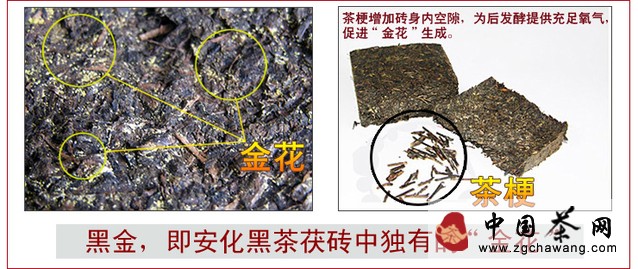
These benefits of dark tea are also linked to its production process. As a post-fermented tea, dark tea undergoes a higher degree of fermentation than other teas. The pile-fermentation process, through heat-driven fermentation, causes a significant loss of caffeine in the tea leaves, making dark tea soothing and gentle on the stomach. Even more remarkable is the beneficial microorganism—Eurotium cristatum—that develops during fermentation, which is classified as a national secondary-level secret. Eurotium cristatum contains over 450 beneficial components, with the most notable effects being anti-cancer, anti-radiation, anti-aging, digestion-promoting, and preventing intestinal fat absorption.
Lowering lipids, aiding weight loss, reducing blood pressure, and preventing thrombosis—these are precisely what modern urban dwellers, who often consume rich and fatty foods, need most. As the ethnic minority brothers from border regions who have grown up drinking dark tea for generations tell us, "A day without tea leads to stagnation, three days without tea leads to illness."