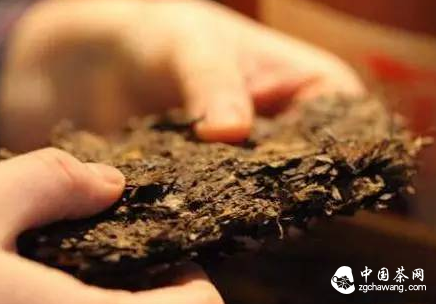
Tibetan tea is the originator of Chinese dark tea. Its production process is extremely complex, and due to continuous fermentation, it holds significant collection value, being the tea variety with the highest collection worth among ancient tea types.
Tibetan tea is made from mature tea leaves and red moss harvested from mountains above 1000 meters in altitude in the current year, processed through special techniques into a fully fermented tea.
Tibetan tea is the main daily beverage for nearly three million Tibetan compatriots and is known as their 'livelihood tea.' Throughout history and across different regions, it has also been called big tea, horse tea, dark tea, black tea, coarse tea, Southern Border Road tea, brick tea, strip tea, compressed tea, cake tea, border tea, etc.
Tibetan Tea
Tibetan tea belongs to the most typical category of dark tea. Its color is deep brown, and as a fully fermented tea, it possesses the characteristics of being 'red, strong, aged, and mellow.' 'Red' refers to the transparently red and lively tea soup; 'strong' indicates an authentic tea taste that is refreshing and酣畅 when consumed; 'aged' refers to the陈香 aroma, with older teas having a more intense fragrance over time; 'mellow' means it is smooth, sweet, and醇厚 in taste without bitterness or astringency.
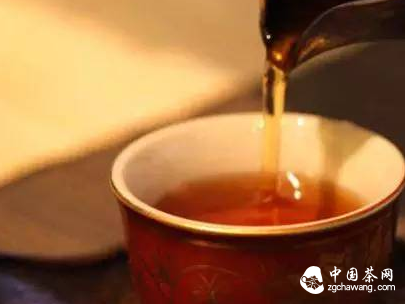
Due to its complex production process, Tibetan tea has a very intricate and持久 aroma. Sip by sip, the舌尖 detects a陈香 flavor mixed with notes of dried fruits and flowers, followed by a medicinal aroma, vaguely reminiscent of taking herbal medicine—a unique taste介于似药非药之间.
Grades of Tibetan Tea
Since the late Qing Dynasty, Tibetan tea from Ya'an, Sichuan, has been divided into two classes and six grades: the first class is called fine tea, including Maojian, Yaxi, and Kangzhuan; the second class is called coarse tea, including Jinjian, Jinyu, and Jincang.
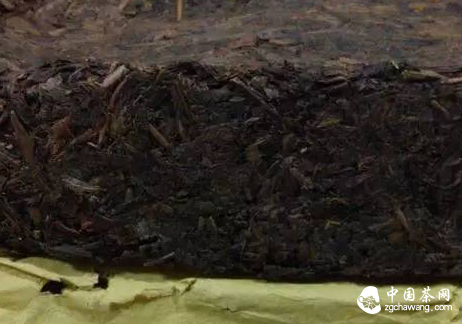
Quality characteristics of each grade:
1. Maojian: Equivalent to using特级 and first/second grade fine tea leaves as原料. The brick shape is平整光滑, showing毫, with high aroma and strong flavor, yellow-bright汤色, and匀嫩叶底.
2. Yaxi: Equivalent to using third/fourth grade fine tea leaves as原料. The brick shape is平整, showing buds, with a正香 and strong flavor, yellow-red汤色, and尚嫩叶底.
3. Kangzhuan: Equivalent to using fourth/fifth grade and some out-of-grade fine tea leaves as原料. The brick shape is平整, showing条-shaped leaves, with a平和香气 and醇厚滋味, no bitterness or astringency, red-yellow汤色, and尚匀叶底.
4. Jinjian: Equivalent to using out-of-grade fine tea leaves and first-grade coarse tea leaves as原料. The brick shape is平整,棕褐 in color, with a纯正香气 and尚浓醇滋味, red-bright汤色, and较老匀称叶底.
5. Jinyu: Equivalent to using first to third-grade coarse tea leaves as原料. The甑 shape is平整, showing red and green tea stems, with a正香 and醇味, red-bright汤色, and粗老叶底 containing coarse stems.
6. Jincang: Equivalent to using fourth-grade and lower coarse tea leaves as the main原料, with red stems as配料. In sales regions, it was used to feed livestock when饲料 was scarce, hence also called 'horse tea.' The甑 shape is粗糙松散, containing many coarse stems, with low aroma and淡味, light-red汤色, and花杂叶底. Production of this tea ceased before liberation.
Kangzhuan and Jinjian
Traditional Tibetan tea had many varieties, but after the founding of the PRC, two types were retained: Kangzhuan and Jinjian. The difference lies in the proportion of 'red moss'掺加 in the tea.
To understand 'red moss,' one must first grasp the concepts of '嫩茶叶' (young tea leaves) and '熟茶叶' (mature tea leaves).
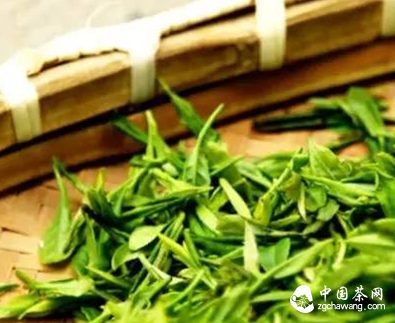
嫩茶叶 refers to the tender buds sprouted by tea trees around Qingming Festival, which are the main原料 for green tea, oolong tea, and Pu-erh tea. Due to the relatively simple production process of green tea and the need to preserve the fresh amino acid aroma, green tea can be drunk on the day of picking. Freshness and aroma are the characteristics of嫩茶叶 in tea making.
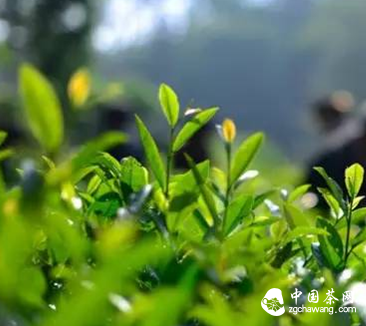
熟茶叶 refers to leaves harvested from when the tea sprouts until maturity, approximately during the seventh to ninth months of the lunar calendar, commonly called 'old leaves.' Its aroma is not as fresh and灵, but it accumulates more content. The content of organic substances is higher than in嫩茶叶, and inorganic substances are also quite abundant, including no less than 35 minerals and trace elements such as phosphorus, potassium, magnesium, and selenium. The aroma compounds reach 700 types and are relatively stable, biologically termed as 'complete and saturated in content.' Tea made from such leaves is conducive to后期陈放转化.
So what is 'red moss'?
By the ninth lunar month, counting leaves from the top of the tea tree downward, at about the fifth leaf, one can see the嫩枝梗 of the tea, about 10 cm long, with表皮呈紫红色—this is red moss, also called purple moss in some places. Red moss is rich in various nutrients, particularly high in cellulose and trace elements.
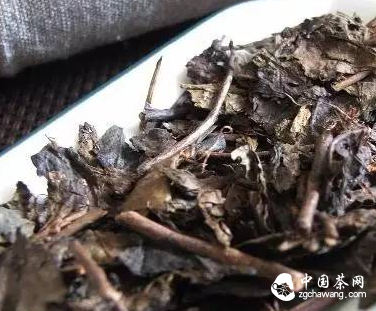
When making Tibetan tea, red moss is掺加 in different proportions. After being made into tea bricks, it can slowly age. New tea is more耐煮, while old tea retains a stable aroma. The main tea tree原料 variety used for Tibetan tea is the 'Ya'an Ben Shan种,' which is actually a small-leaf variety, making the addition of red moss even more significant.
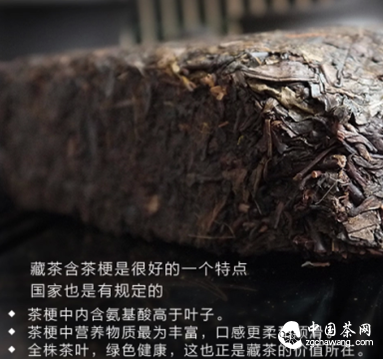
Generally, the proportion of red moss in Jinjian is greater than in Kangzhuan. Therefore, Jinjian has a stronger口感, a厚重 tea taste, and greater冲力. Kangzhuan has a higher proportion of tea leaves, resulting in a醇和口感. Residents of后藏 (Shigatse) prefer Kangzhuan, while those of前藏 (Lhasa, Shannan region) prefer Jinjian.
Generally, high-quality Tibetan tea has a深褐色 appearance, uniform texture, black and光亮 (乌黑) color, clear boundaries without毛糙 edges, a纯正香气 without杂味. The汤色 initially appears淡黄红, then turns透红. As the steam rises, a徐香 continuously emanates. The taste is甘甜, not涩 or苦, with a滑爽吞咽感—this is pure-quality Tibetan tea.