What is "Tea Longevity"? A folk legend says that when the ancients created characters, they noted this pattern: eating grains is called "Rice" longevity, meaning to live to eighty-eight years old, while "Tea" longevity adds twenty years on top of the character for rice, implying one can live to one hundred and eight years old. China is the homeland of tea and a major tea-producing country, possessing unique conditions to better utilize this "immortal medicine for health preservation."
The world's annual per capita tea consumption is 0.49 kilograms. The top five countries with the highest per capita consumption are Ireland, the United Kingdom, Kuwait, Turkey, and Qatar. Regional differences in China's per capita annual consumption are significant, with pastoral areas having the highest consumption at up to 5 kilograms, followed by coastal economically developed regions. Due to China's large population, the proportion is naturally lower, so the national per capita consumption is only 0.38 kilograms.
"Since ancient times, temples have produced tea longevity" originally referred specifically to monks practicing in temples. They live on simple food and drink, mainly obtaining plant protein and various minerals and vitamins from non-fatty foods, often living longer than ordinary people in the world. "Tea" is an indispensable daily beverage for monks, and they regard drinking tea and offering tea as a symbol of unity with Buddha, comprehending Buddhist principles through tea tasting. In modern social life, elderly people who drink tea regularly and live long lives are everywhere. Therefore, advocating drinking black tea brings one closer to "Tea Longevity."
The antioxidant effect in black tea results in anti-aging and longevity. As for achieving health preservation through drinking black tea, it is truly an easy-to-learn, easy-to-do, and economical practice, allowing you to enjoy "longevity" through tea tasting.
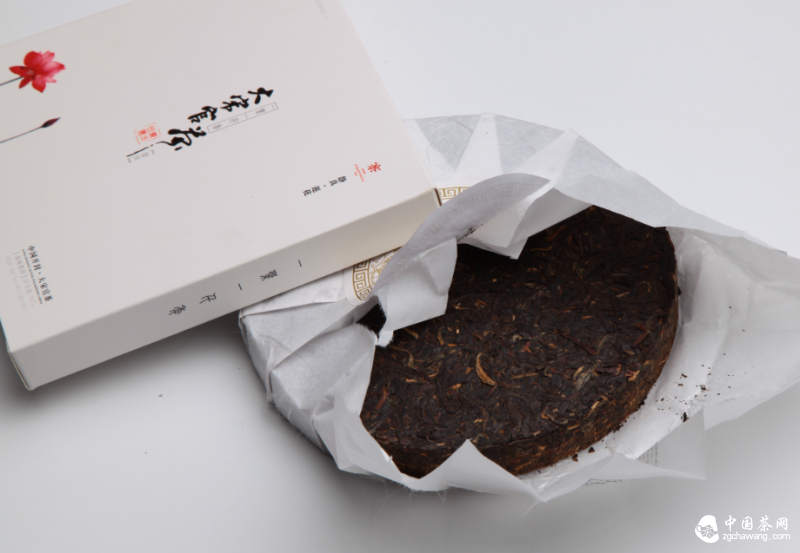
Fu Brick Tea is a fully fermented tea, a treasure among black teas. It is made from high-quality mountain tea leaves, processed by combining traditional techniques with modern technology. The product appears brick-shaped with a dark, moist color; the brick is abundant with "golden flowers" (Eurotium cristatum), emitting a strong fungal floral aroma and enduring through multiple infusions; after brewing, the soup color ranges from bright orange to bright red, with a mellow taste and pure aroma. It has won gold awards at the 5th and 6th China International Tea Expos, the "Golden Bud Award" for outstanding black tea brand, and a gold award at the Chinese Black Tea Culture Festival, making it a treasure among black teas. Given time, its quality improves, and its flavor becomes more mellow. Long-term consumption shows significant effects in aiding digestion, warming the stomach, weight loss, and lowering blood lipids. It is an excellent daily health product for modern people.