Guide
This summer, why not try a tradition-defying move—brewing tea with cold water. It might just bring you a whole new tea-tasting experience.
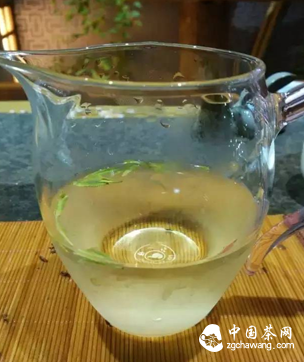
Cold-brewed tea is the method of steeping tea leaves in cold water, which can be said to颠覆traditional brewing. Whether you're an office worker, a driver, or a hiker, as long as you have access to bottled water, you can add tea leaves, let it steep for several hours, and then enjoy a delicious and health-beneficial cold-brewed tea. Brewing tea with cold water results in a more fragrant, mellow, and甘美taste, offering a与众不同的清爽choice for the hot summer. You may have heard of this brewing method before: 'cold-brewed tea' made by长时间soaking tea leaves in cold (room temperature) water. Compared to the紧张感of quickly pouring and draining hot water, using slightly lower temperatures might allow more space for both the tea leaves and oneself.
Enjoy the cold-brewed tea that becomes increasingly fragrant and甘美after several hours of quiet waiting. The flavor is utterly natural, clear, and elegant, with the茶气, aroma, character, taste, expression, and temperament of the tea vividly distinct. Compared to regular hot water brewing, cold brewing has great宽容度and an extremely low failure rate. The cold brew method can not only fully release the essence of the tea but also几乎没有the risk of over-brewing, spoiling, or extracting涩味.
Making a cup of cold-brewed tea yourself is also simple.普通白茶is excellent, while 铁观音, 乌龙茶, Longjing, and 碧螺春 are all suitable.
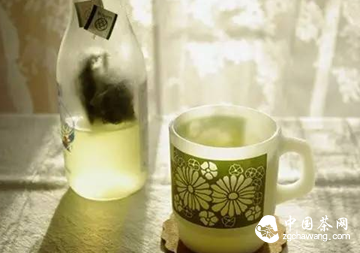
How to make a delicious cold-brewed tea?
1. Prepare equipment: tea leaves, cold boiled water, a plastic or glass bottle (with a seal).
2. The ratio of cold boiled water to tea leaves is approximately 50 milliliters to 1 gram, adjustable according to personal taste. Place it in the refrigerator immediately.
3. After about 2 hours, you can pour out the tea and start drinking. The茶味is甘醇可口.
4. Once removed from the refrigerator, cold-brewed tea should be consumed within two hours.
5. Try not to re-steep the cold-brewed tea leaves.
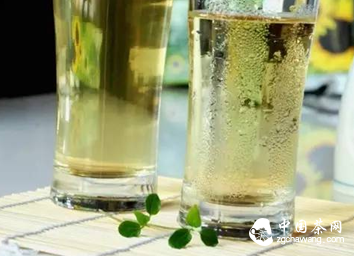
Gentle on the Stomach and Doesn't Affect Sleep
If one is not skilled enough in regular tea brewing, they might extract茶碱, or when brewing with high temperatures for too long or多次冲泡, there is a concern of茶碱release. With cold-brewed tea, there is no chance of consuming too much茶碱.
You can still enjoy the essence of the tea while reducing the release of caffeine, making it gentle on the stomach and not affecting sleep. It reduces the release of茶单宁, avoiding bitterness and enhancing sweetness: because in cold water, the sweet-tasting amino acid molecules in tea leaves dissolve more easily, while the sources of bitterness, tannic acid, and caffeine are less likely to be released. It lowers the caffeine content in the tea,减轻胃壁负担: because the caffeine in tea leaves容易溶出at high temperatures, thus increasing胃酸分泌. For some people with sensitive stomachs, drinking large amounts can feel slightly uncomfortable; cold-brewed tea avoids this problem.
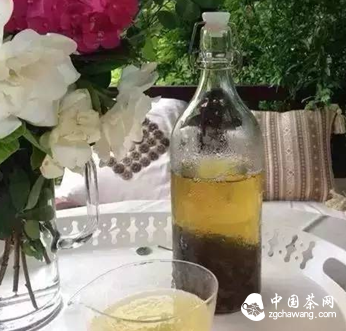
Benefits of Drinking Cold-Brewed Tea
1. Preserves substances like 'catechins' and '茶多酚' in tea leaves, effectively promoting肠胃蠕动and clearing宿便, which is very effective for weight loss and cancer prevention.
2. Cold brewing reduces the release of茶丹宁酸, decreasing bitterness when drinking and enhancing the茶的口感.
3. Because body temperature is higher than the cold-brewed tea汤, the酮类carrying aroma molecules挥发more strongly once the tea reaches the mouth, filling the entire口腔with更浓的香味and providing a heavier喉韵. Cold brewing lowers the caffeine content in the tea汤, reducing刺激to the stomach, making it suitable for people with sensitive constitutions or weak stomachs.
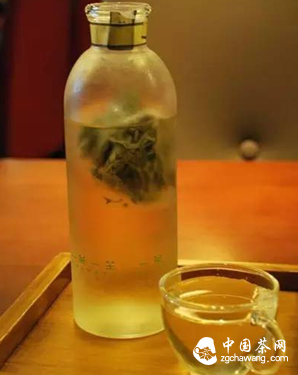
What are 'Catechins' and '茶多酚'?
1. Catechins: Catechins, also known as茶单宁, along with caffeine, are two of the most important functional components in tea. However, catechins are the primary component in tea汤. Some research reports suggest that catechins have medicinal effects, so recently, people have been paying more attention to the health benefits of tea for the human body. Their effects include:清除自由基, delaying aging, changing the distribution of肠道微生物, antibacterial action, deodorizing, etc.
2.茶多酚: The Star of the Century—'茶多酚'. The reason tea has such strong functions is mainly due to the (茶多酚) it contains. (茶多酚) is a relatively comprehensive nutrient, with main nutritional components including protein, amino acids, carbohydrates, vitamins, and minerals. The various vitamin contents in (茶多酚) are considerable: the vitamin A content can rival that of spinach and carrots. Vitamin D is also abundant, with每2克(茶多酚)containing 100~1700 micrograms. Consuming 1 gram of (茶多酚) daily can meet the body's需求for vitamin C and E, and it also contains vitamin B1, B2, B3, pantothenic acid, niacin, inositol, vitamin P, PP, and vitamin K... These vitamins are closely related to human health and longevity. After joint research and experiments by Japanese medical and pharmaceutical professors, it was found that vitamin E, traditionally used as an anti-aging drug, has only a 4% effect in preventing fatty acid peroxidation, while (茶多酚) is as high as 74%, 18.5 times that of vitamin E. The health effects of tea and茶多酚lie in their ability to inhibit the expression of脂合?, thereby inhibiting the formation of obesity and tumors. In other words, tea and茶多酚have the functions of weight loss and cancer prevention.
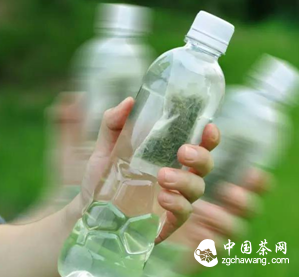
Drinking a cup of cool cold-brewed tea on a scorching summer day is a清新舒畅,时尚健康的绝佳享受. Why not try making it yourself!