
White tea varieties mainly include Silver Needle, White Peony, Gongmei, and Shoumei from northern Fujian. Especially Silver Needle, which consists entirely of downy buds that stand straight like needles, is one of the most visually appealing among many teas and is widely cherished.
1. Silver Needle (Baihao Yinzhen): Made from single buds processed according to white tea techniques;
2. White Peony (Baimudan): Made from one bud and one or two leaves of tea varieties such as Fuding Da Bai, Fuding Da Hao, Zhenghe Da Bai, and Fuan Da Bai, processed into White Peony or new white tea;
3. Gongmei: Made from one bud and one or two leaves of Cai Cha (small-leaf tea);
4. Shoumei: Made from leaves remaining after bud plucking.
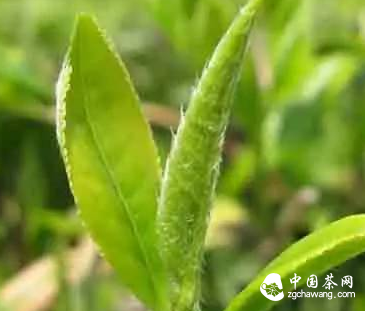
White tea processing involves plucking followed by sun-drying or gentle heat drying without frying or rolling. The main steps are withering and drying (detailed into withering, baking or shade-drying, sorting, and re-firing), with withering being the key. This method preserves enzyme activity, minimizes oxidation, retains the downy aroma, and results in a fresh, brisk taste.
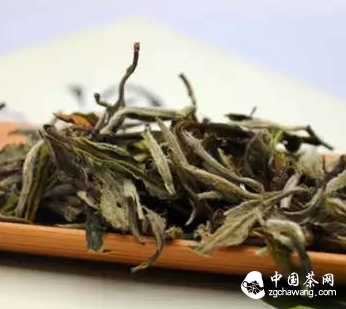
White tea quality features complete bud-and-leaf form, abundant silvery hairs, a fresh, delicate aroma, clear yellow-green liquor, and a light, sweet aftertaste.
The most distinctive characteristic is its silvery-white appearance, often described as "green dressed in white," with plump buds, bright yellow liquor, fresh and mellow flavor, and tender, even brewed leaves. When brewed, it offers a refreshing, pleasant taste.
White tea benefits: It is cooling in nature and has effects such as reducing fever, clearing heat, moistening the lungs, calming the liver, enriching blood, reducing inflammation, detoxifying, lowering blood pressure and lipids, relieving fatigue, preventing cancer, and treating toothache. It is particularly effective for discomfort and digestive disorders caused by excessive smoking, alcohol, greasy food, or liver fire, offering unique and remarkable health benefits.
White tea storage: There is a saying: "One year tea, three years medicine, seven years treasure." This means fresh white tea is for drinking, after three years it can be used as medicine, and after seven years its efficacy increases greatly, making it a precious treasure. Thus, white tea can be stored well. Tea aged over five years rivals herbal medicine in effect. For easier storage, white tea is often compressed into cakes. Storage should avoid light, moisture, and be sealed.
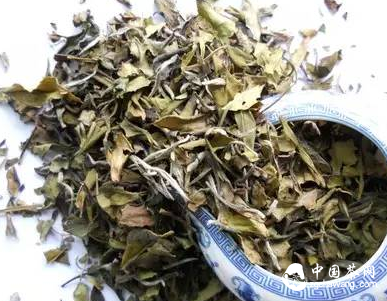
Why is new white tea white? This is because tender leaves and buds with many fine white hairs are plucked and processed without frying or rolling, only sun-dried or gently heat-dried, preserving the white hairs on the surface, hence the white color.
White tea legend: According to legend, Taimu Mountain was originally called Cai Mountain. During Emperor Yao's time, an old woman lived there, growing orchids. She was charitable and well-loved, using her Lvxueya tea as a sacred remedy for measles, saving many children. Grateful people revered her as a deity, calling her Taimu, and the mountain was named Taimu Mountain. During Emperor Wu of Han's reign, his attendant Dongfang Shuo was sent to confer titles upon famous mountains, and Taimu Mountain was named the foremost of the thirty-six famous mountains, officially renamed Taimu Mountain. Today, on Fuding Taimu Mountain, there remains the ancient Lvxueya tea tree said to be planted by Lady Taimu, the cave where she discovered Lvxueya, and the Dan Well used to water it. About 150 years ago (around 1857), Chen Huan from Boliu Township transplanted this tea home, cultivating Fuding Da Bai tea. Its yield was higher than local Cai Cha. It makes excellent black tea, green tea, and white tea. Silver Needle is particularly characterized by plump, white buds with abundant down.