Many friends got to know Fuding white tea through Shou Mei.
Shou Mei is the highest-yielding variety of white tea, accounting for over half of the total white tea production.
Characteristic 1: Spring Water, Autumn Fragrance
Just as Tieguanyin is known for its "spring water and autumn fragrance," Shou Mei white tea shares this trait.
Spring Water: After winter dormancy, tea trees accumulate more abundant tea polyphenols, amino acids, vitamins, etc., in their leaves during spring, resulting in a fuller and more delicate broth.
Autumn Fragrance: After enduring the summer heat, tea trees enter another optimal growth period around the White Dew season. With mostly north winds and clear, dry autumn weather, the fresh leaves dehydrate smoothly, leading to a high, aromatic fragrance, though the water texture is not as fine as spring tea.
Spring Shou Mei has a fresh, brisk broth, while White Dew tea offers rich charm, endurance to multiple infusions, and a clear, elevated aroma.
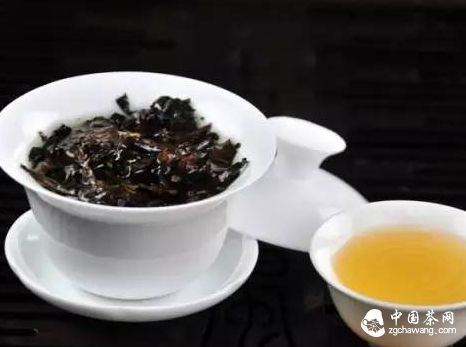
Characteristic 2: Improves with Age, Develops Complex Aromas
Improves with Age: As white tea ages, the contents of tea polyphenols, caffeine, and soluble sugars decrease, while the flavonoid content increases. Flavonoids are powerful antioxidants that can prevent cell degeneration and aging.
Develops Complex Aromas: As Shou Mei consists mostly of leaves, its aroma is more robust. Young Shou Mei has a grassy scent. With aging, it undergoes wonderful transformations, developing aromas of lotus leaf, dried dates, and herbal notes.
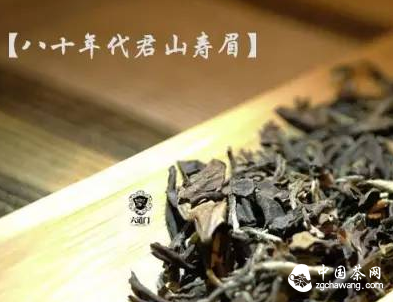
Characteristic 3: Aged Shou Mei is Durable and Suitable for Boiling
Liquor Color: Slightly red, dark red, translucent, and glossy.
Taste: The broth is soft, full, smooth, and textured, not astringent or bitter, with a strong and lasting sweet aftertaste. When cooled, the taste becomes exceptionally sweet, with a pronounced and lingering fragrance in the water.
When brewed normally in a gaiwan, it can withstand over ten or even twenty infusions without significant decline in liquor color or taste. The aroma may diminish slightly, but the softness and sweetness remain largely unchanged.
Boiling Method: Add 7-8 grams of aged white tea to room temperature water, bring to a boil, and let it simmer for 8-10 seconds before enjoying. The flavor is rich, with prominent herbal notes, like drinking mellow wine. One cup can induce sweating all over the body.
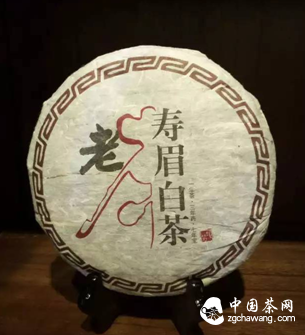
Characteristic 4: Affordable Price, Great Appreciation Potential
The appreciation journey of Shou Mei is like an inspiring story of an underdog's rise.
Fresh Shou Mei, resembling dry leaves, costs only a few dozen yuan. As time passes, Shou Mei cultivates its inner qualities through沉淀升华 (precipitation and sublimation). After several years, it transforms into a mature and steady "aged white tea uncle," with its value rising to hundreds or even thousands of yuan, indicating substantial appreciation potential.
However, not every underdog can become a respected "uncle." Many with poor foundation and insufficient inner quality, even when aged, can only be called "师傅" (master/craftsman in a more ordinary sense).
A Shou Mei worth collecting requires good raw material as a foundation, combined with the meticulous craftsmanship of an experienced tea master. Only through the沉淀 (precipitation) of time can it transform into a premium aged white tea.
Perhaps you were drawn to white tea because of the date or herbal aroma of aged Shou Mei, but it can offer you far more than that.
I love its versatile and easy lazy-person brewing methods (gaiwan brewing, boiling, thermos brewing—any method works), its千变万化 (ever-changing) transformation during storage (offering different experiences over time), its simple and clean production process, and the joy of collecting and verifying one's own preferences...