In the hearts of tea masters, the most beautiful scenery is not majestic peaks and misty clouds, nor small bridges and plum blossoms, but the emerald green, flowing tea gardens. Looking at it, you will feel full of vitality, clean and dust-free. A gentle breeze comes, as if hearing the sound of trickling water and smelling the ethereal aroma of tea. That may be the place closest to a fairyland on earth, because when you arrive at the tea garden, you will find: the fairyland is in your heart.
Whether a place is suitable for growing tea also depends on fate, and to become a high-quality and beautiful tea garden, the conditions are even more demanding. Upon entering a tea garden, it feels like stepping into a fairyland. So, how is a beautiful tea garden born? In other words, what kind of environment is suitable for tea leaves to grow?
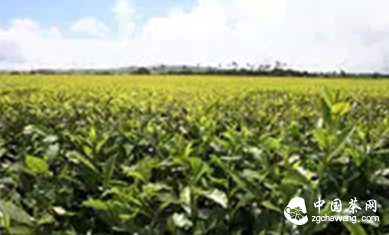
First is the soil. The "Classic of Tea" says: "The best [tea] grows among weathered rocks, the medium grade grows in gravelly soil, and the lowest grade grows in yellow earth." Sandy loam soil, with its characteristics of good water retention, fertility retention, and ventilation, is the preferred soil texture for tea. Additionally, tea is an acid-tolerant crop, with a soil pH of 4.5-6.5 being ideal.
Second is moisture. Tea trees require a relatively humid environment, but excessive moisture can lead to waterlogging issues like root rot.
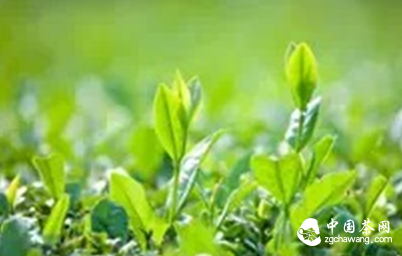
Third is temperature. The optimal growth temperature for tea trees is 20-30°C. When the average temperature falls below 10°C, tea enters dormancy. When the temperature falls below the minimum tolerance limit for tea, the leaves can suffer frost damage or even freeze to death. This is also the main reason why major tea-producing regions are mostly in the south.
Finally is sunlight. Light is the primary condition for tea growth. Tea leaves rely on sunlight for photosynthesis and have requirements for light intensity, duration, and quality. Tea likes light but dislikes direct sunlight. Therefore, in places with intense sunshine, trees are often planted in tea gardens to provide shade.
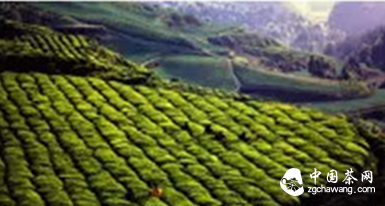
Those places with high mountains, dense forests, and swirling clouds and mist, where diffused light prevails year-round, are conducive to increasing the content of theanine, glutamic acid, etc., in tea leaves. Therefore, tea grown in such environments often has excellent quality, good flavor, and high aroma. Premium Pu'er Tea all comes from high-altitude mountainous areas precisely for this reason. Comparing the basic conditions of a high-quality tea garden, you will find that the Ten-Thousand-Mu Organic Ecological Tea Garden of Seven Colors Yunnan is perfectly suited for the growth of premium Pu'er tea!
The self-built Ten-Thousand-Mu Ecological Organic Tea Garden of Seven Colors Yunnan is located in Ban Zhang Village, Bulang Mountain Township, Menghai County, Xishuangbanna Prefecture, Yunnan Province, between the famous tea villages "Lao Ban Zhang" and "Xin Ban Zhang." It sits at an altitude of 1600 meters to 1700 meters, within a South Asian tropical monsoon climate with ample sunshine and abundant rainfall. The average annual rainfall is 1374 mm, and the average annual temperature is 18°C to 21°C, possessing superior ecological and geographical conditions for growing Yunnan large-leaf tea.
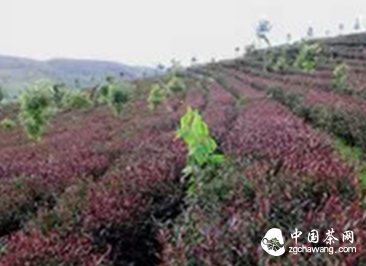
In addition to superior natural conditions, in terms of tea garden management, organic fertilizers are applied in the tea garden, supplemented by microbial fertilizers, natural mineral fertilizers, and organic foliar fertilizers. Soil structure is improved through meticulous cultivation, grass mulching, and planting green manure, enhancing the long-term fertility of the soil. Agricultural methods are used to prevent and control tea plant diseases, pests, and weeds, supplemented by physical and biological control measures, carrying out harmless management of tea plant pests and diseases.
This embodies the传说中的 favorable timing, geographical advantages, and human harmony needed for a good tea garden. Seven Colors Yunnan treats every bud and leaf with the most devout heart, ensuring the pure taste and original ecology of the tea products from the very source. We hope to, through the efforts of several generations and in the best way possible, build this land into a top-tier ecological tea estate that can rival any tea garden in the world, creating the most personalized and distinctive "Estate Tea" to deliver the finest tea flavor for consumers.