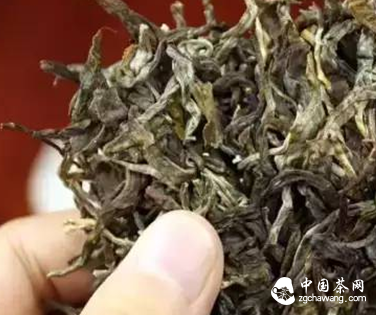
From a leaf to the fragrant tea in our cup, every step—raw materials, processing, storage, and brewing—must be perfected to ensure the perfect presentation of the final tea soup. Pu-erh tea's characteristic of "improving with age" means it reveals its most precious qualities only after being polished by time, making the storage environment crucial during this period. For the particularly precious Spring Ancient Tea among Pu-erh teas, creating a scientific storage environment is essential for enhancing its quality and extending its secondary life.
In fact, we can approach the storage of Spring Ancient Tea by considering the characteristics of ancient tree tea, seeking more suitable and efficient storage conditions to help Spring Ancient Tea transform better. Ancient tree tea often has the following characteristics:
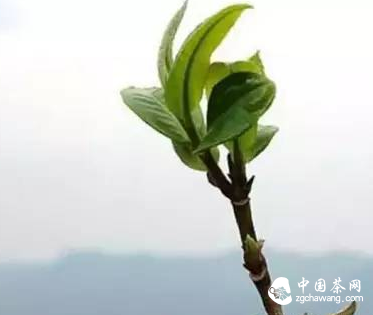
Purely Ecological
Spring Ancient Tea is entirely harvested from century-old ancient tea trees. These trees have adapted to the local ecological environment and can resist various pests and diseases, requiring no pesticides, making them natural, ecological, and pollution-free. Therefore, when storing Spring Ancient Tea, we must strive for a natural and clean environment, providing a safe "growth" environment for its later maturation.
High and Lifting Aroma
Ancient tea trees are over a hundred years old, with deep roots and lush leaves, rich in intrinsic substances, resulting in a fresher and more refreshing taste than ordinary Pu-erh tea. Experienced individuals know that when there is an odor in the refrigerator, placing some tea leaves inside can eliminate it because tea has a strong ability to absorb odors. Therefore, when storing Spring Ancient Tea, it is important to ensure the environment is ventilated, dry, and odor-free. Remember not to place it in the kitchen or other environments with strong household or industrial odors, and avoid storing it together with other strongly scented items, as tea can easily absorb odors and become tainted.
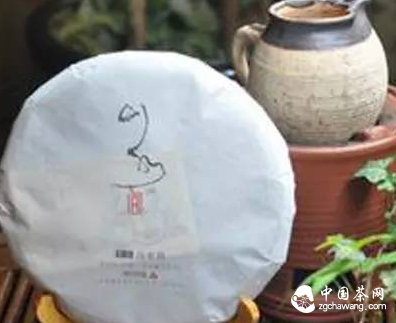
Mellow and Rich Flavor
Tea is a skillful blend of bitterness, astringency, and sweetness, creating its unique mellow taste. Different teas offer distinct experiences due to varying proportions of these three elements. Therefore, when storing Spring Ancient Tea, it is important to preserve the tea's character. Temperature fluctuations during storage can affect the taste of the tea soup. Excessively high temperatures can accelerate fermentation and sourness, while excessively low temperatures can slow down the aging process, extending the storage period. Thus, the storage temperature for ancient tree tea should not be too high or too low and should remain constant. The temperature should align with the local natural environment without artificially creating extremes. Normal room temperature is ideal, preferably maintained between 20–30°C year-round.
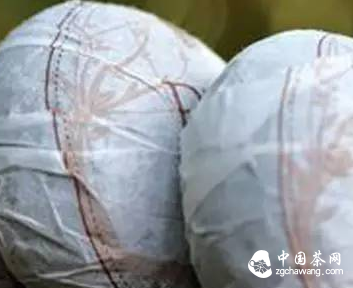
Long-Lasting Saliva Production and Strong Throat Sensation
Ancient tree tea excels in promoting saliva production and moistening the throat. The purpose of drinking tea is to make the throat feel lubricated and comfortable, eliminating or avoiding dryness in the mouth and throat. However, tea enthusiasts often struggle to control humidity accurately when storing ancient tree tea, leading to "mold" and rendering the tea undrinkable. Therefore, humidity should be controlled accordingly. The average annual humidity should ideally not exceed 70%. In drier environments, placing a small cup of water near the stored tea can slightly increase air humidity. When humidity is high, windows should be opened promptly to ventilate and dissipate moisture.
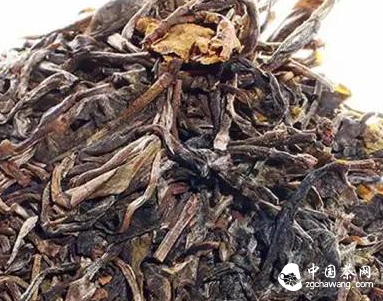
Long-Lasting Infusion
The storage process of Pu-erh tea is often full of unexpected changes, especially for ancient tree tea, which is richer in intrinsic substances and has tremendous potential for later transformation. The sweetness may increase, a bittersweet taste may develop, or bitterness and astringency may fade... This requires us to choose a storage environment that not only preserves the tea's character but also creates conditions to help the tea become more mellow.
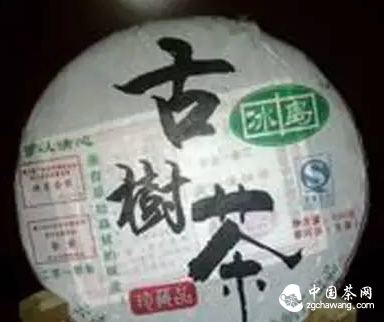
To achieve this, first, avoid light. When tea is exposed to sunlight, its color and taste change significantly, losing its original flavor and freshness. Therefore, Pu-erh tea aging must avoid direct light exposure; it must be kept away from light. Second, ensure air circulation. Circulating air contains more oxygen, which benefits the proliferation of microorganisms in the tea, thereby accelerating its aging.
With the development of the Pu-erh tea industry, people have gained a deeper understanding of its "improvement with age," and the concept of storage has become increasingly important. For high-quality, expensive Pu-erh teas, storage has evolved from private collections to dedicated enterprise warehouses and specialized tea storage facilities. For example, the scientific warehouse at the Seven-color Yunnan Dongguan Maturation Center has become the preferred choice for many tea enthusiasts and Pu-erh collectors storing Spring Ancient Tea.
For the same batch and type of tea, different storage conditions can result in value differences of several times. Every piece of ancient tree tea, from planting to being pressed into a cake, embodies centuries of time and a journey of hardship. How to store it to help Pu-erh tea complete its life's升华 (sublimation) is a question every tea enthusiast should take seriously, allowing the Spring Ancient Tea in your hands to shine even more brilliantly!