When asked, "Do you love drinking tea?" many would say yes. However, it's important to know that liking tea and understanding tea are two different things—liking doesn't necessarily imply knowledge. Therefore, many tea lovers often fall into several misconceptions when buying and drinking tea.
Newer Tea Doesn't Always Mean Better Tea
Every spring, many tea enthusiasts take advantage of the season to buy more new tea for visiting friends and relatives, eager to taste its freshness. In reality, tea isn't always better when it's newer. If consumed improperly, it may even lead to "tea drunkenness." This is because new tea contains higher levels of polyphenols, aldehydes, and alcohols, which can easily irritate the stomach.
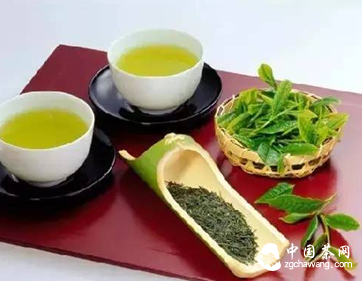
Therefore, it's best not to seal newly purchased tea immediately. Instead, let it air out for 10–15 days to allow its polyphenolic components to fully oxidize before brewing.
Older Tea Is Better—This Refers to Raw Pu'er
Conventionally, we often think that the longer a Pu'er tea is stored, the better its quality and the higher its collectible value. Actually, this is a misconception. Every type of tea has its own lifecycle. For example, ripe Pu'er tea undergoes aging until its tea polyphenols are fully transformed. Even if stored longer, its flavor won't change significantly and may even deteriorate due to poor storage conditions.
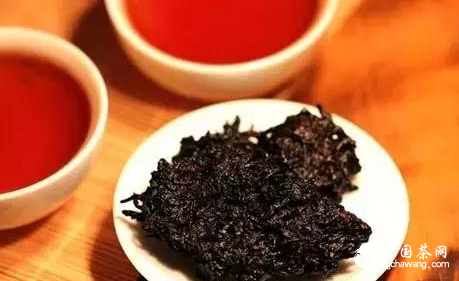
On the other hand, raw Pu'er tea improves with age—its internal substances change over time, affecting its appearance, color, soup color, and nutritional components. Of course, this is only true if it is stored properly.
Thus, not all teas get better with age. Teas with shorter lifecycles, such as black tea and green tea, can spoil if stored for too long.
Tender Tea Leaves Aren't Always Better—It Depends on the Tea
Generally, in fresh tea leaves, the nutrients in the leaves are greater than those in the buds, but buds are rarer and therefore more precious. However, not all teas are better with tender leaves—this doesn't apply to oolong tea and dark tea. Oolong tea is characterized by its aroma, which is best developed through the shaking process using mature leaves. If very tender leaves or buds are used, the aroma will be insufficient, and the taste will be relatively weak.
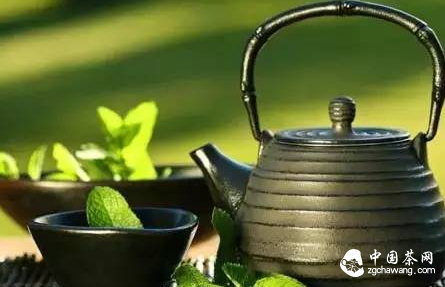
The notion that tender leaves are better applies mainly to green tea. It also applies to certain premium black teas (such as Golden Monkey, a fully budded Yunnan black tea) and white tea.
Tea Doesn't Have to Be the Most Expensive—It Just Needs to Be the Most Suitable
If you insist that tea costing thousands must be better than tea costing hundreds, that may indeed be true. However, drinking tea is primarily about the state of mind. When we drink tea, we focus on two things: matching the taste and matching the stomach. Matching the taste means drinking tea that suits your personal preference—some prefer light tea, while others prefer stronger flavors. Matching the stomach means drinking tea that suits your constitution—for example, those with a cold stomach should avoid drinking too much green tea and opt for more black tea instead.
If you love drinking tea, please also learn how to drink it correctly. Drinking tea isn't a blind preference—when you understand tea, tea will naturally understand you.