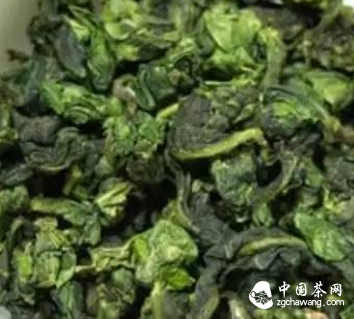
1. Basic Characteristics: Oolong tea is also called Qingcha and is a semi-fermented type of tea. Broadly, it is categorized by processing into robust aroma and light aroma types, representing traditional and modern methods respectively, though specific varieties can differ significantly. Oolong tea can be divided into four main schools: Fujian's Wuyi Rock Tea, Fujian's Tieguanyin, Guangdong Dancong, and Taiwanese Oolong. Traditional processing aims for a golden, bright liquor, green leaves with red edges, and a specific fermentation level, resulting in an overall style that is aromatic, mellow, smooth, and withstands multiple infusions. Modern processing emphasizes a fresh, natural character, with emerald green color, a long-lasting high aroma, and a refreshing, sweet, and full-bodied taste, but it is less resistant to multiple infusions, as seen in some Tieguanyin.
Compared to other oolong teas, Wuyi Rock Tea from northern Fujian has notable differences, primarily due to its heavier post-fermentation charcoal roasting. It has a dark, glossy appearance, a reddish-orange bright liquor, a pronounced roasted or charcoal aroma, and a robust flavor. Yet, it possesses a rich floral fragrance and a long-lasting sweet aftertaste, such as in Dahongpao, where the roasted notes intertwine with a natural floral aroma, creating a unique profile. Oolong teas generally have various aroma types, commonly floral or fruity.
Tieguanyin is characterized by its strong orchid fragrance, smooth and sweet aftertaste, and a distinct "Guanyin韵" (characteristic charm). Dancong is known for its intense aroma and flavor, high resistance to multiple infusions, and a persistent sweet aftertaste. Taiwanese Oolong offers a mellow and refreshing taste with a rich floral aroma and a clean, natural character.
2. Processing Steps:
Fresh leaves — Sun-withering — Indoor-withering — Tossing/Shaking — Fixation (Kill-green) — Rolling — Wrapping and shaping — Drying — Refining
3. Typical Representatives: Minghuang Tea, Dahongpao, Shuixian, Rougui, Tieguanyin, Dancong, Taiwanese High Mountain Oolong, Dongding Oolong, etc.;
4. Brewing Method: Brewing Oolong tea requires using a gaiwan or a Yixing clay teapot. The water temperature should be boiling at 100°C to fully release the aroma into the liquor. The amount of tea leaves should be about one-third (for Tieguanyin, lighter oolongs) to two-thirds (for Dancong) of the teapot's volume. The steeping time varies depending on the specific tea, generally ranging from 8 to 15 seconds.
5. Health Benefits: The more prominent health benefits include weight loss, skincare, and lowering blood lipids and blood pressure.