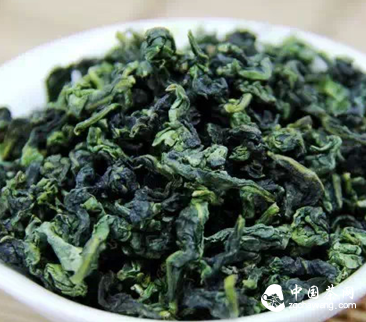
Anxi Tieguanyin tea can be divided into three main categories by aroma:
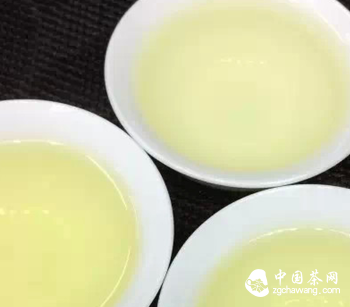
1. Fragrant Type Tieguanyin: The Fragrant series products: Fragrant Type Tieguanyin is a premium product of the famous Chinese tea Anxi Tieguanyin. The raw materials are all from tea trees planted in high-altitude, rocky substrate soil in the birthplace of Tieguanyin, Anxi. It has the comprehensive characteristics of "freshness, aroma, rhyme, and sharpness." The aroma is high and strong, rich and lasting, with a fresh and refreshing floral scent, mellow and sweet aftertaste, and a full Guanyin rhyme. The tea broth is golden-green, clear, and bright.
2. Rich Type Tieguanyin: The Rich series products: Rich Type Tieguanyin is made using the traditional craft of "tea as the monarch, fire as the minister." It employs a century-old unique baking method, with gentle heat slow roasting and rapid cooling with moist air. The product is "mellow, thick, sweet, and smooth." The strips are plump and tightly rolled, with a dark and moist color, pure aroma, carrying sweet floral, honey, or chestnut fragrances. The taste is particularly mellow, thick, and smooth, with the Guanyin rhyme apparent. The brewed leaves retain a lingering fragrance and can withstand multiple infusions. The tea nature is mild, quenching thirst and promoting saliva, warming the stomach, and strengthening the spleen. Brewing method: Put 5-10 grams into a teacup (covered bowl), brew with boiling water. The first infusion for 10-20 seconds before pouring out the tea water, then extend the time for subsequent infusions, but do not soak for too long. It can be brewed continuously 6-7 times.
3. Aged Type Tieguanyin: Normally, tea over 10 years old can be called aged tea, while tea under 10 years, because the aging process is insufficient, can only be called mature tea. Furthermore, the year is an important standard for measuring the quality of aged tea, but not the only standard. For Anxi Tieguanyin, under good storage conditions, the period of 15-30 years is when the tea's aging, flavor, and taste reach a peak, making it the best.
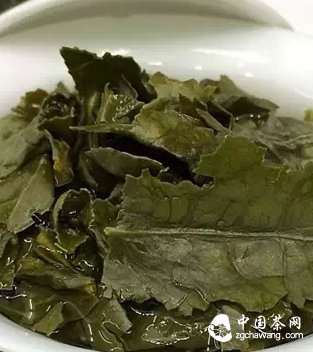
Anxi Tieguanyin tea can be divided into three main categories by processing technique:
As a heavyweight variety in the tea world, the technical trends in the Tieguanyin industry change relatively quickly. From the traditional tea of the past to the popularity of light fermentation techniques, the light fermentation technique subsequently divided into three categories: Zheng Chao (Traditional Roast), Xiao Qing (Light Green), and Tuo Suan (Dragged Sour). Among them, Xiao Qing further derives two subcategories: "Xiao Zheng" and "Xiao Suan." These teas have relatively significant stylistic differences in appearance, aroma, and taste.
1. Zheng Chao (Traditional Roast): The dry tea appears black, the color is relatively dark and not vibrant, and the visual perception seems poorer.
2. Xiao Qing (Light Green): The dry tea generally appears dark green, with a generally high vibrancy in color, and good visual perception.
3. Tuo Suan (Dragged Sour): The dry tea mostly appears bluish-green, with a generally high vibrancy in color. The visual perception is not very different from Xiao Qing tea, so it is difficult to distinguish from appearance.
Classification of Anxi Tieguanyin tea by production area:
Anxi Tieguanyin tea, as the name suggests, is Oolong tea produced in Anxi. Its finished tea has unique characteristics, such as a natural floral aroma, a pronounced Guanyin rhyme, and a strong sweet aftertaste. Many friends want to know, what are the types of Anxi Tieguanyin? According to the Anxi Tea Association website: The "Anxi Tieguanyin" geographical trademark applies to tea produced in townships (towns) within Anxi County, including Xiping, Huqiu, Daping, Lutian, Longjuan, Xianghua, Changkeng, Lantian, Gande, Jiandou, Hushang, Jingu, Fengcheng, Chengxiang, Guanqiao, etc.
Among them, Gande and Xianghua Tieguanyin are particularly popular. The main characteristics of Gande and Xianghua Tieguanyin are a pure taste, mellow broth, and strong sweet aftertaste. First, pure taste means the tea flavor fills the mouth upon entry, with few other off-flavors. Second, mellow broth means the tea water is thick and substantial, with a viscous feeling, commonly called "good tea water." Third, strong sweet aftertaste refers to the clear, sweet, and refreshing feeling left in the mouth, teeth, and tongue after swallowing the tea water, which is strong and lasting, making people savor it for a long time, reluctant to let it go.
Authentic Anxi Tieguanyin is further divided into Inner Anxi and Outer Anxi Tieguanyin, also known as inner mountain tea and outer mountain tea.
Industry insiders explain that in recent years, large quantities of Tieguanyin have been planted in Yongchun, Nan'an, Hua'an, Zhangping, Datian in Sanming, and other counties and cities in Fujian, and even in Hubei, Guangdong, Guizhou, and other places. Most of their finished products are not labeled with the place of origin but are sold under the name "Anxi Tieguanyin." Therefore, when choosing Anxi Tieguanyin, tea friends must recognize that only those originating from Anxi are genuine Anxi Tieguanyin!