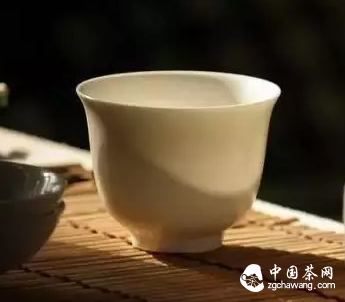
Tea cup selection is key, with the suitability of the rim being the primary concern, followed by the choice of material, thickness, and curvature—all of which will affect the taste of the tea soup.
Some tea enthusiasts ask: Does the thickness of the tasting cup wall affect the quality of the tea soup? What is the impact of pre-warming the cups before tasting on the drinking experience with these two types of cups? Let's address these questions now.
The Influence of Cup Wall Thickness
To explore this issue, we need to establish some conditions in advance:
Since factors such as the material, shape, glaze, and firing temperature of tasting cups all have different effects on the tea soup, we assume that cups of different thicknesses are completely identical in terms of material and other factors.
The general principle—the thinner the cup wall, the more favorable it is for expressing aroma.
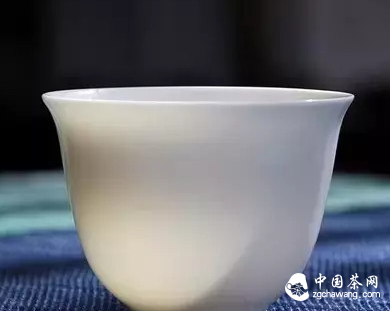
Therefore, the Ruochen Ou (small cup) among the four treasures of Chaozhou Gongfu Tea should be a small porcelain cup with very thin walls. Drinking a small cup of Oolong Tea in one go ensures a high and fragrant aroma and a rich flavor, without becoming a burden from drinking too much water.
Conversely, teacups with thicker walls are not conducive to expressing aroma but are beneficial for showcasing a thick, mellow soup texture, making them suitable for tasting tea varieties like ripe Pu-erh and Dark Tea, which are not prized for their fragrance.
Therefore, during the tea tasting process, we should pair different tea products with different teacups to better express the optimal effect of the tea soup (just like Zu Qianqiu in "The Smiling, Proud Wanderer," who used different cups for different wines).
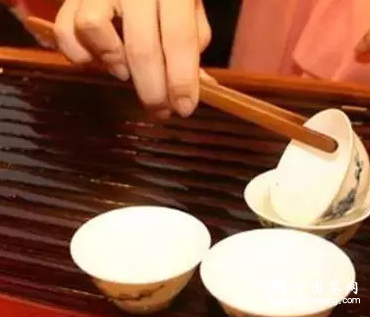
The Necessity of Warming the Cup with Boiling Water
Regarding warming the cup with boiling water before tasting tea, I believe it has the same effect regardless of the cup wall's thickness—high temperature not only more favorably expresses the aroma, aiding its volatilization, but also helps to bring out the charm and aftertaste of the tea soup.
Pouring 100°C boiling water into a cup at room temperature will lower the temperature of the water inside the cup to 80-90°C. At this point, discarding the hot water and then pouring in the tea soup brewed with boiling water, and tasting it while hot, results in a better charm and aftertaste compared to pouring hot soup into a cold cup. Interested friends might as well give it a try.
As for the perspective of health and safety, does warming the cup with boiling water have a sterilizing effect? Considering the very brief time of warming, it likely doesn't have much effect. Instead, the custom of "when guests come, serve fresh tea warmly; people should be enthusiastic, and tea should be hot" serves as a good footnote.