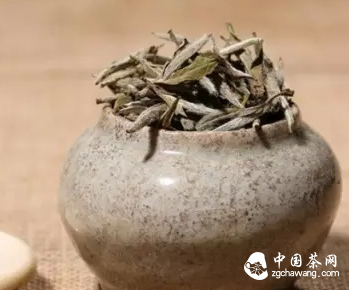
Spring tea is a fresh delight to taste! Spring tea, especially green tea, wins the favor of many tea lovers with its fresh and brisk taste. So why is spring tea so fresh and brisk? The answer is—keep reading to find out.
▍The Freshness of Meat vs. Wild Grass?
The character for "fresh" (鲜) combines "fish" (鱼) and "lamb" (羊), indicating that since ancient times, people have recognized the wonderful taste brought by meat broth as "freshness." As living standards have improved, a large number of "carnivorous humans" have emerged, some even reaching the point where they feel no meal is complete without meat. Even though they know eating vegetables is very beneficial for health, whenever they eat vegetarian food, it just feels bland and tasteless, lacking the pleasurable sensation that meat provides. Why is that?
This is because, besides its substantial texture, meat is rich in an amino acid called glutamic acid. This substance stimulates the taste buds on the tongue, giving people a sensation distinct from sweet, sour, bitter, spicy, or salty—the taste of umami!
Since glutamic acid can significantly enhance flavor, a bowl of chicken broth can feel a hundred times more refreshing than a bowl of cabbage and tofu soup.
Actually, some plants also contain glutamic acid, such as seaweed and kelp.
In 1908, a Japanese person discovered this. When he extracted a chemical substance called monosodium glutamate from kelp, the first batch of monosodium glutamate (MSG) in human history was born.
▍Why is Tea Refreshing?
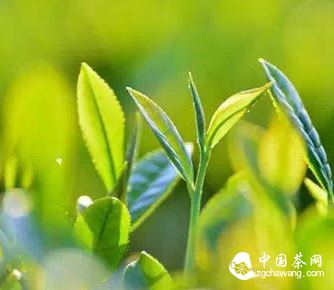
So the question arises: where does the fresh and brisk taste of tea come from?
This is because tea leaves contain abundant amino acids. In addition to the glutamic acid mentioned above, there is also a tea-specific amino acid called theanine. It is white, has a caramel-like aroma, and possesses a refreshing taste similar to glutamic acid. It is not only the main component that makes tea promote salivation and sweetness but also has effects of soothing nerves and bringing pleasure. It is precisely the interaction of these amino acids that achieves the fresh and brisk taste of tea.
However, the amino acid content in tea is not constant. Generally speaking, after tea is stored, the amino acid content gradually decreases over time. So, if you want to "possess" that fresh and brisk taste, you should also drink the tea as soon as possible. Otherwise, over time, it will certainly be affected.
▍Which Teas Are Exceptionally Fresh and Brisk?
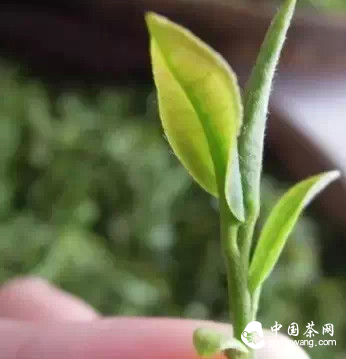
To experience fresh and brisk tea, the first recommendation is, of course, green tea, such as West Lake Longjing, Biluochun, etc. One sip is unforgettable, as if the entire spring is blooming in the cup, giving a very pleasant feeling. Sometimes, you might even vividly feel a wonderful sensation akin to drinking chicken broth.
Actually, there is another type of green tea rich in amino acids, and that is Anji White Tea. The tender buds of Anji White Tea during its "albino" period have an amino acid content more than twice that of ordinary green tea.
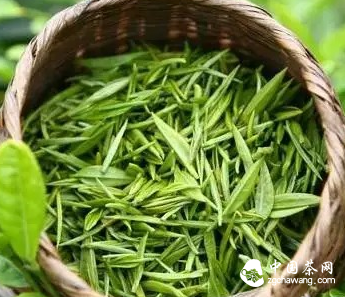
Let me add one more thing here: don't mistakenly think Anji White Tea is a white tea (in the category sense); it is actually a "genuine" green tea. It's just that due to varietal characteristics, the嫩芽 sprouted before Qingming (Tomb-Sweeping Day) are white due to chlorophyll deficiency, and appear jade-white before Guyu (Grain Rain), hence the name.
Additionally, Japanese Gyokuro is also a good choice.
During the growth process of the fresh leaves, most sunlight is blocked by artificial shading, which increases the amino acid content and reduces the茶多酚 content in the leaves. However, because the tea leaves are too tender, warm water must be used when brewing Gyokuro tea; otherwise, the leaves will be "scorched." Gyokuro tea has a distinct seaweed, nori flavor—rich, fresh, and fragrant, making it "unforgettable after tasting." This unique taste results from the combination of the tea cultivar's quality, the shading process, and the steaming (蒸青) production method.
▍How to Brew Tea for Maximum Freshness?
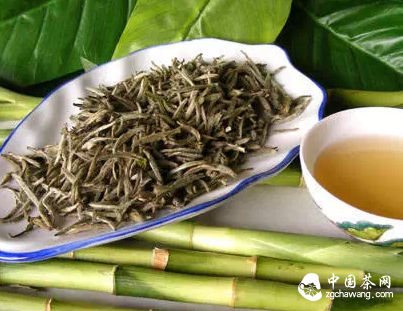
So, when brewing tea, what steps can maximize the release of the tea's freshness?
First, the water temperature should not be too high. Taking Fuding White Tea as an example, water at 85°C—90°C is sufficient. Water that is too hot will reduce the tea's fresh and brisk sensation.
Second, hot water should not be poured directly onto the dry tea leaves. Tea leaves with high amino acid content are generally very tender. Pouring hot water directly onto them can damage the leaves and easily make the tea汤 cloudy.
Third, do not cover the cup while brewing, otherwise it will affect the tea's flavor, making it taste stuffy and bitter/astringent.
Fourth, teas with fresh and brisk tastes are mostly green teas with beautiful appearances. It is recommended to use glassware for brewing, so you can also appreciate the "beauty" of the tea leaves in the liquor.
As long as you master the above four points, brewing a cup of extremely fresh and delicious tea is not difficult!