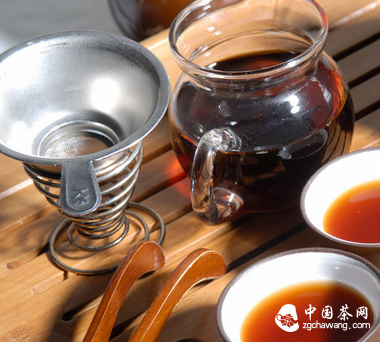
Why does everyone drink Pu-erh?
Is it because of Pu-erh's strong, thick flavor? Because it can be collected? Because it can be an investment? In truth, Pu-erh is just tea, one member among China's vast array of teas. However, because Pu-erh possesses the valuable attribute of "improving with age," it often gives rise to many complications. So, is Pu-erh irreplaceable? Of course not.
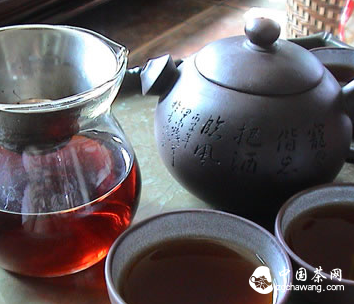
If you seek the mellow, aged character of old Pu-erh, you either store it yourself, paying the price of time, or buy it at a high price, paying the price of money. If you seek Pu-erh's robust, thick flavor, okay, Wuyi Rock tea or Guangxi Liubao tea can satisfy you just the same. If you seek the fresh, brisk taste of some Pu-erh from ancient tea trees, plenty of green teas or light-scented Tieguanyin can satisfy you.
So, why exactly do you drink Pu-erh?
Ultimately, isn't there a kind of hope in your heart—to buy inexpensive new tea and, years later when that tea becomes very expensive, to drink it liberally or even sell it? I believe many tea friends probably have this mentality.
Returning to the initial question, why do you drink Pu-erh? Is it genuine liking?
I drink Pu-erh for its flavor and for its "improves with age" property. Because its flavor is what I enjoy. Because it "improves with age," I can take out tea I've stored myself years later and share it with friends, saying, "I 'raised' this tea myself." That's all.
So, calm your mind. Regardless of big factory or small, ancient tree tea or terrace tea. Ask yourself, do you genuinely like Pu-erh? Chinese tea culture is vast and profound, and Pu-erh tea is no exception.
When I first encountered Pu-erh, teas from the numbered eras were legends, teas from the mark eras were nearly legends. Coming into contact with teas from the 70s-80s was already very moving. Taking a sip of Zhongcha Simplified Character brought sheer delight.
I once had the idea to taste all the different vintages of dry-stored and Hong Kong-stored 7542 from the early 80s to 2004. Later I realized how difficult that task would be.
I once had the idea to buy back all the "Peacock" series raw and ripe teas ever produced by Menghai Tea Factory. Later I realized this was another impossible mission.
Tea is endless, but life is finite. Many teas, once missed, are missed. Don't regret it, because your life is limited, but Pu-erh tea is inexhaustible.
New tea friends, don't rush to buy Pu-erh. Don't rush thinking you need to buy by the case, you need to build a warehouse.
Taste more, ask more, think more, observe more, buy less.
After some time, confirm whether you genuinely like Pu-erh or if it's just a temporary, trend-following impulse. If you truly believe you like Pu-erh, good, you can buy what you enjoy.
Don't trust your palate too much. Without years of accumulated experience, one lacks the ability to judge whether a new tea has aging potential. Don't trust others' tea reviews too much, because the taste I like may not be the taste you like.
So, still: taste more, ask more, think more, observe more, buy less.
When buying Pu-erh to store at home, understand your original intention: to have low-cost aged tea to drink in the future. And here, "low-cost" refers only to money, because to wait for a new tea to become old, you pay the cost of time. Time is priceless.
Don't forget your original purpose for storing tea is to drink aged tea, not to cash in. Of course, if you aspire to become a tea merchant years later, that's a different concept.
Human desires are infinite, resources are finite.
Pu-erh tea resources are finite. Live within your means, choose a tea buying and storage model that suits your lifestyle. After some time, you will gradually discover that drinking Pu-erh is indeed one of life's great pleasures, especially watching those Pu-erh teas in your possession slowly age along with you.
Finally, that phrase again: Taste more, ask more, think more, observe more, buy less. Look back after some time—is it genuine liking for Pu-erh or just a temporary impulse?