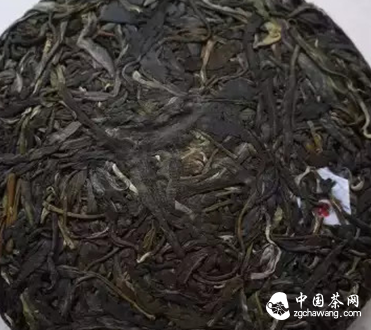
In fact, the initial compression of Pu-erh tea cakes was simply to address transportation losses caused by inconvenient traffic during that period.
First, compressing Pu-erh tea into cakes means that the absorption and evaporation of moisture have little effect on the compressed tea, allowing microorganisms and aroma to be better preserved.
Second, compressing Pu-erh tea into cakes means that air temperature has little impact on the interior of the compressed tea, enabling microorganisms within the tea leaves to survive more effectively.
Third, the contact area between oxygen, light, and the compressed Pu-erh tea is significantly reduced, slowing down the oxidation of polyphenols, ketones, and chlorophyll, thus better preserving the tea's quality.
Of course, the subsequent transformation of Pu-erh tea fundamentally relies on the quality of the tea leaves themselves. Only with guaranteed quality in the raw tea material, combined with excellent processing techniques and compression into cakes, can high-quality aged Pu-erh tea be developed.
Artistic Chinese people cut compressed tea into "seven-son cakes." Each cake typically weighs 357 grams, symbolizing reunion: 3+5+7 equals 15, and 15 represents a day of gathering. Regardless of these additional elegant names and auspicious meanings, why is Pu-erh tea pressed into cakes rather than stored loose? Simply because compressed tea better retains its aroma, charm, and flavor during storage. During the aging process, Pu-erh tea undergoes automatic oxidation, including enzyme-driven oxidation of polyphenols and transformation driven by microorganisms. The main factors influencing these transformations are moisture, temperature, oxygen, and light.