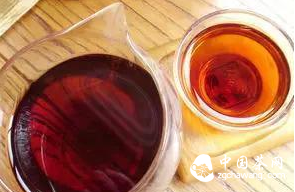
Pu-erh tea generally needs to be rinsed once or twice first, and the third infusion is for drinking. The first one or two rinses can wash away the bitter and astringent taste and accumulated impurities. Additionally, the water quality used for brewing tea is very important; mineral water or mountain spring water should be used. Temperature control is also key: ripe Pu-erh is brewed with water above 100°C, while raw Pu-erh uses water around 80°C.
The weight loss effect of Pu-erh tea is mainly attributed to the action of oligosaccharides. Oligosaccharides are carbohydrates composed of 2-10 monosaccharide units. They work by promoting the growth of beneficial microorganisms and inhibiting harmful ones, thereby enhancing immunity. Oligosaccharides have a sweetness about 20-70% that of sucrose, with a similar taste, but unlike sucrose, they do not promote the growth of oral bacteria that produce acidic substances eroding teeth. Oligosaccharides have no impact on blood sugar levels or insulin secretion. While sucrose can increase neutral fats, oligosaccharides actually help lower blood sugar. The fructooligosaccharides in them can directly adhere to pathogens, causing them to detach from the intestinal wall, thus "cleansing" the gut of pathogens. Fructooligosaccharides also aid in lowering blood sugar, cholesterol, and neutral fats. Like dietary fiber, they help control blood cholesterol. Their physiological mechanism is similar to dietary fiber, binding to bile acids and salts and excreting them from the body, preventing reabsorption. This is the biological principle behind Pu-erh tea's weight loss properties.
【Pu-erh Tea Weight Loss Method】:
(一) Breakfast:
1. Common choices for office workers: sandwich, steamed bun, bread, or baozi (choose one);
2. Brew 10 grams of Pu-erh tea with 250ml of hot water;
3. Steep for 5 minutes, then add 500ml of fresh milk (sugar can be added to taste).
(二) Lunch:
1. Brew 37.5g of Pu-erh tea with 1500ml of hot water, drink 500ml before the meal;
2. Drink another 500ml after the meal;
3. Drink another 500ml when thirsty or hungry;
4. Adopt a small, frequent intake approach.
(三) Dinner:
1. Adopt a small, frequent intake approach;
2. Drink Pu-erh tea after the meal (20g brewed with 500ml).
(四) Other Precautions:
1. No late-night snacks;
2. When hungry, you can drink Pu-erh tea;
3. The older the Pu-erh, the better, as it not only aids intestinal digestion but also breaks down fat;
4. Meal times should be consistent every day;
5. The intestines absorb nutrients most efficiently at noon, so if you want to lose weight, it's best to reduce intake at lunch.
Choosing Raw Tea or Ripe Tea:
Pu-erh is divided into raw (sheng) and ripe (shou) types. Raw Pu-erh is made from fresh tea leaves, stored for five to ten years before consumption; this type has good collection value. Ripe Pu-erh is made from tea leaves that undergo fermentation and are ready to drink, a kind of instant tea. Raw Pu-erh is lighter in color, while ripe Pu-erh is darker. When brewed, raw Pu-erh yields a lighter liquor, whereas ripe Pu-erh produces a more concentrated color. Placing ripe Pu-erh in a glass cup and examining it in sunlight reveals a rich, wine-like hue.
For people with anemia, drinking raw Pu-erh is not suitable. The reason is that sun-dried new raw tea is bitter and astringent, tasting quite "aggressive," and is not suitable for thin, anemic individuals. Ripe Pu-erh, made from fermented tea leaves, removes the bitterness of raw tea. This type of tea is good for health, wellness, stomach nourishment, lowering blood pressure and lipids, etc., and is suitable for most people.
Precautions When Drinking Tea:
When brewing Pu-erh tea, the first infusion should not be drunk. Pu-erh tea must first be rinsed; pour out the water after the initial brew. When using a cup to brew, it's best not to cover it; brew with the lid open. When drinking, the water temperature is best at 40-50°C to fully appreciate the characteristics of Pu-erh tea.
For people with anemia, drinking raw Pu-erh is not suitable. The reason is that sun-dried new raw tea is bitter and astringent, tasting quite "aggressive," and is not suitable for thin, anemic individuals. Ripe Pu-erh, made from fermented tea leaves, removes the bitterness of raw tea. This type of tea is good for health, wellness, stomach nourishment, lowering blood pressure and lipids, etc., and is suitable for most people.
For those primarily seeking weight loss and who are not anemic or physically weak, it is recommended to drink raw tea for better results.
Of course, I need to remind everyone that although Pu-erh tea is said to have weight loss effects, it is not a dedicated weight-loss drug, and its effectiveness varies from person to person. Therefore, do not overly迷信 any single weight loss product.