Classified by different tea colors — Oolong Tea: Oolong tea, also known as Qingcha or semi-fermented tea, is named after its founder. It is a tea category with distinct characteristics among China's major tea types.
The origin of oolong tea carries a legendary tale. According to "Tea in Fujian" and "Folk Legends of Fujian Tea," during the Yongzheng era of the Qing Dynasty, in Nan'an Village, Xiping Township, Anxi County, Fujian Province, there was a tea farmer and skilled hunter named Su Long. Because of his dark and sturdy appearance, fellow villagers called him "Oolong." One spring, Oolong went up the mountain to pick tea with a tea basket hanging from his waist and a gun on his back. At noon, a wild river deer suddenly darted past him. Oolong shot at it, but the injured deer fled desperately into the forest. Oolong chased closely and finally captured the prey. By the time he carried the deer home, it was already nightfall. Oolong and his whole family were busy slaughtering and tasting the game, completely forgetting about processing the tea leaves. The next morning, the family hurriedly processed the "tea greens" picked the previous day. Unexpectedly, the leaves left overnight had developed red edges and emitted a fresh fragrance. When the tea was finished, its taste was exceptionally rich and aromatic, without any of the usual bitterness. Through careful refinement and repeated experimentation, involving steps such as withering, shaking, semi-fermentation, and baking, a new tea category with excellent quality was finally created — oolong tea. Anxi thus became the famous hometown of oolong tea.
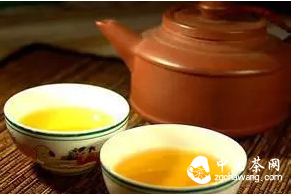
Oolong tea combines the production methods of green tea and black tea. Its quality lies between green tea and black tea, possessing the rich, robust flavor of black tea and the fresh, aromatic fragrance of green tea, often praised as having "green leaves with red edges." After tasting, it leaves a lingering fragrance in the mouth with a sweet and refreshing aftertaste. The pharmacological effects of oolong tea are particularly notable in fat decomposition, weight loss, and fitness. In Japan, it is called "Beauty Tea" or "Fitness Tea."
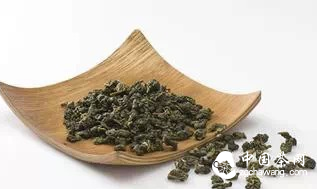
The formation of oolong tea's excellent quality begins with selecting fresh leaves from superior tea plant varieties as raw materials and strictly adhering to picking standards. This is followed by extremely meticulous processing techniques. Based on different methods of "making green," oolong tea is divided into three subcategories: "jumping making green," "shaking making green," and "hand-making green." Commercially, it is often classified by production region into subcategories such as Northern Fujian Oolong, Southern Fujian Oolong, Guangdong Oolong, and Taiwan Oolong. Oolong tea is a unique tea category in China, mainly produced in Northern Fujian, Southern Fujian, Guangdong, and Taiwan. In recent years, small quantities have also been produced in Sichuan, Hunan, and other provinces.
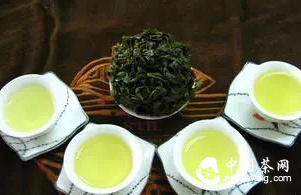
Oolong tea evolved from the tribute tea "Dragon Ball" and "Phoenix Cake" of the Song Dynasty and was created around 1725 (during the Yongzheng era of the Qing Dynasty). According to the "Anxi County Annals" of Fujian: "People in Anxi first invented the method of making oolong tea in the third year of the Yongzheng era of the Qing Dynasty, which later spread to Northern Fujian and Taiwan." Other historical records indicate that tea shops dealing in oolong tea were established in Fuzhou as early as 1862, and Taiwan's oolong tea began exporting in 1866. Currently, besides domestic sales in Guangdong, Fujian, and other provinces, oolong tea is mainly exported to Japan, Southeast Asia, Hong Kong, and Macau.
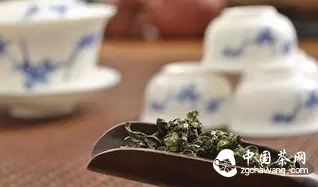
Names of Various Oolong Teas
Wuyi Rock Tea; Wuyi Rougui; Northern Fujian Shuixian; Tieguanyin; White Hair Monkey; Bajiaoting Longxu Tea; Golden Osmanthus; Yongchun Buddha's Hand; Anxi Sezhong; Phoenix Shuixian; Taiwan Oolong; Taiwan Baozhong; Dahongpao; Iron Arhat; White Crown Chicken; Golden Water Turtle.