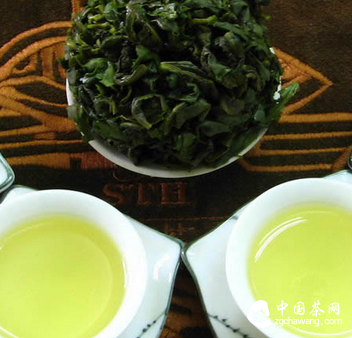
Spring tea, due to the abundant nutrients in the tea plant, has thick and fleshy leaves, resulting in better quality. With moderate spring temperatures, sufficient rainfall, and the tea plant's half-year winter rest, spring tea buds are plump, emerald green in color, soft in texture, and rich in vitamins. Therefore, drinking more spring tea can bring many health benefits to the human body.
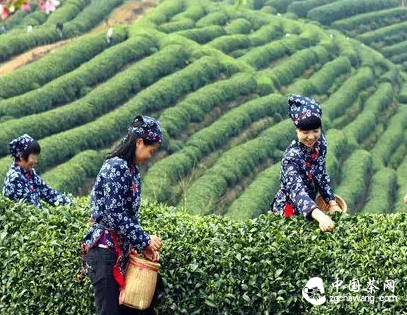
For Anxi Tieguanyin, new tea is much better tasting than old tea, especially spring tea. However, many merchants often sell old tea to consumers as new tea. So, how can you identify whether Tieguanyin is this year's spring tea? Let me share a few simple tips with you.
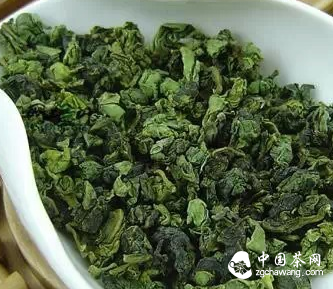
Observe the appearance—Spring tea leaves are usually tightly rolled, glossy, with a sandy green color, appearing plump and thick, and have a fresh, rich aroma. In contrast, old tea or summer tea has loose leaves, dull color, and a mild aroma.
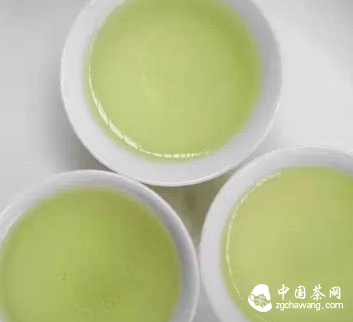
Observe the liquor color—When brewing spring tea, the leaves sink quickly, and the liquor is a bright, clear yellow. Old tea, during storage, undergoes slow decomposition or oxidation, increasing theaflavins, which turns the liquor a turbid yellowish-brown and loses its original fresh color.
Taste the tea—Spring tea has a rich, lingering aroma, a mellow, fresh, and refreshing taste, and a long-lasting aftertaste. Old tea, on the other hand, lacks such characteristics and does not withstand multiple infusions.