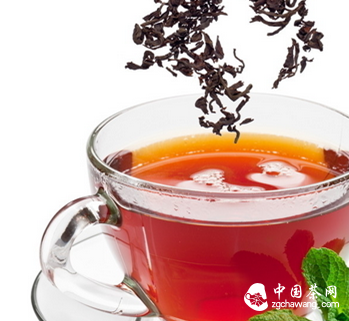
When choosing the type of tea, black tea is the preferred option. Because black tea is warming in nature and contains more caffeine than green tea and scented tea, it has a stronger refreshing effect and is superior in warming the stomach and aiding digestion.
Tea Drinking Misconceptions
Brewing tea in a thermos: A thermos can maintain a certain temperature of drinking water, which is especially suitable in winter and spring, but it is not ideal for brewing tea. This is because various vitamins and aromatic oils in tea leaves evaporate in high or constant temperature water, resulting in reduced fragrance, and large amounts of tannic acid and theophylline seep out, causing the tea color to darken, the taste to become bitter, and the nutritional value to significantly decrease. Experts recommend that the best tea sets should be ceramic first, as they are somewhat breathable, keep warm in winter, do not spoil in summer, and do not cause any chemical reactions; glass cups are the second choice.
Brewing with boiling water: Just-boiled water has a high temperature, which can destroy many heat-sensitive nutrients in tea leaves (such as vitamin C, etc.). So, what water temperature is best? It should be determined by the tenderness of the tea. Old tea can be brewed directly with water at 95 degrees Celsius, while tender tea should be brewed at a lower temperature. Let the boiling water cool down to about 80 degrees Celsius before pouring it into the cup for drinking. For diabetic patients, to reduce the loss of anti-diabetic components in tea, it is best to soak and drink it in cold water.
Drinking the first infusion: Many people think that the first infusion of tea has a high concentration of nutrients and good health effects. However, they do not realize that tea leaves are contaminated with pesticides and other pollutants during cultivation and processing, and there is always a certain amount of residue on the surface of the tea leaves. Therefore, the concentration of pesticides and other harmful substances is also high in the first infusion. So, the first infusion of tea should serve as a "tea wash" and be discarded.
Excessive tea drinking: Some people only see the benefits of tea, thinking "the more, the better," but overlook the harmful components in tea. Taking aluminum as an example, because tea plants have a high affinity for aluminum and absorb it from the soil, and if aluminum-containing fertilizers are used, even more aluminum is absorbed. Drinking large amounts of tea can increase aluminum absorption, damaging the brain and potentially inducing dementia. According to Japanese experts, the aluminum content in tea beverages generally ranges from ~ micrograms per milliliter. Black tea has the highest content, reaching ~ micrograms per milliliter. Many families like to use aluminum kettles to boil water for tea. Since tea already has a relatively high aluminum content, this practice further increases the aluminum concentration in the tea. Therefore, it is advisable to use copper or iron kettles to boil water for tea.
Drinking tea after meals: Many people like to make a cup of tea after meals. However, tea contains a large amount of tannic acid, which can react with the iron in food, forming new substances that are difficult to dissolve. This prevents the gastrointestinal mucosa from absorbing iron, and over time can lead to iron deficiency in the body and even induce anemia. The solution is to drink tea at least 1-1.5 hours after a meal, because the iron in food is basically absorbed within 30-60 minutes after eating.
Drinking tea during a fever: The theophylline in tea can raise body temperature. Drinking tea for fever patients is like "adding fuel to the fire." The best drink for fever patients is plain water.
Children drinking tea: Tea contains caffeine, which is harmful to children's brain development and may even induce hyperactivity. At the same time, the tannic acid in tea can combine with protein to form insoluble tannin-protein, which cannot be absorbed by the body. Protein is the primary factor for children's development, so children under 3 years old should not drink tea.
Ulcer patients drinking tea: The caffeine in tea can promote gastric acid secretion, increase gastric acid concentration, and induce ulcer recurrence or even perforation.
Unsuitable Situations for Tea Drinking
Tea contains large amounts of caffeine, theophylline, vitamins, amino acids, tannic acid, silicic acid, gallic acid, fluorine, and minerals. It is not only a superior beverage but also has medicinal value, with most of its over 50 components preventing and treating diseases. However, tea must be consumed properly. If drunk inappropriately, it can harm health instead of benefiting it.
Not suitable on an empty stomach. Drinking strong tea on an empty stomach can inhibit gastric juice secretion and hinder digestion, even causing symptoms like dizziness, palpitations, and gastrointestinal discomfort—known as "tea drunkenness."
Not suitable before bedtime. Drinking strong tea before bed can overstimulate the nerves, causing insomnia or worsening symptoms of neurasthenia.
Not suitable for constipation. Generally not suitable for those with severe constipation or habitual constipation, as the tannic acid in tea has an astringent effect, slowing intestinal peristalsis and making bowel movements more difficult.
Not suitable when taking medication. The tannic acid in tea easily reacts chemically with proteins, iron compounds, etc., in medicines, reducing their efficacy. Therefore, it is not advisable to take medicine with tea or drink tea immediately after taking medicine.
Not suitable for stomach ailments. Those with gastric or duodenal ulcers or chronic atrophic gastritis should avoid strong tea, as the caffeine in tea can irritate the gastrointestinal mucosa, increase discomfort, and worsen ulcer damage.
Not suitable for liver disease. Most of the caffeine in tea is metabolized by the liver. Liver patients always have varying degrees of reduced liver function. Drinking overly strong tea will加重 liver tissue damage.
Not suitable for palpitations. Heart patients with excessively fast, weak heartbeats, or atrial fibrillation should not drink strong tea, as the caffeine and theophylline in tea can accelerate the heart rate, keeping the patient in an excited state without proper rest.
Tea, tea,
Fragrant leaves, tender buds.
Admired by poets, loved by monks.
Ground and carved in white jade, sifted through red gauze.
Boiled to a yellow stamen color, swirling like pollen dust.
Invited to accompany the bright moon at night, commanded to face the morning glow at dawn.
It washes away the fatigue of people through the ages, but who knows if it can be praised after drunkenness?
— Excerpt from (Tang Dynasty) Yuan Zhen's "Collected Works of Yuan Changqing"
This is a uniquely formed poem praising tea. From the first line to "It washes away the fatigue of people through the ages," it praises tea, but the last line hints at the harm of excessive tea consumption—tea drunkenness.