Tieguanyin is one of China's top ten famous teas. Many people enjoy drinking Tieguanyin. Tasting Anxi Tieguanyin is generally done using a bell-shaped cup—the "lidded bowl" (gaiwan)—for "Gongfu" style brewing. The optimal tea-to-water ratio is 1:22, with an infusion time of 1-3 minutes. At the same time, it needs to be evaluated based on the following nine inherent characteristics of Anxi Tieguanyin. Today, Brother Tie will discuss in detail how to taste Anxi Tieguanyin!
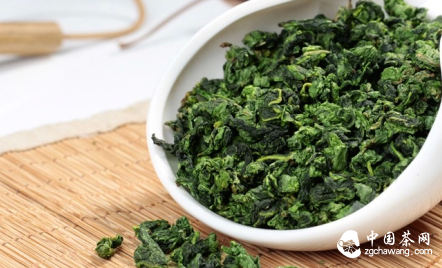
1. Pure Tieguanyin leaves have an elliptical shape, with sparse and blunt serrations on the edges. The leaf surface is wavy and raised, showing a distinct bony structure, slightly curled towards the back. The leaf flesh is thick, and the leaf color is a rich, glossy green. The leaf base is somewhat blunt, the leaf tip slants slightly to the left and droops a little. The tender bud is purple, hence the name "red bud with a crooked tail peach".
2. Anxi Tieguanyin should highlight the "Guanyin Rhyme". As the ancients said, "Before tasting the sweet dew flavor, first smell the sublime and wonderful fragrance." Take a small sip, gently roll it on the tongue root, and you can feel the tea soup's醇厚 (mellow and thick),甘滑 (sweet and smooth), and鲜爽 (fresh and brisk). Swallow slowly, and the sweet aftertaste brings an endless honey-like rhyme. As for the unique "Guanyin Rhyme," what does it mean? Although there are many explanations, it should突出 (highlight) the Tieguanyin variety in both aroma and taste, and leave a lingering aftertaste (throat rhyme) after drinking. The water contains fragrance, and the fragrance contains moisture. The lingering rhyme remains, leaving a fragrance between the teeth and cheeks.
3. In appearance, Anxi Tieguanyin tea strips are tightly curled, sturdy, heavy, and呈 (present) a shape like a "green belly with dragonfly head." The color is fresh and moist, with砂绿 (sandy green) apparent and red spots visible. The leaf surface has a frost-like coating.
4. In terms of sound, take a small amount of Anxi Tieguanyin tea leaves and put them into the teapot. You can hear a "clinking" sound. A clear, crisp sound indicates superior quality, while a dull sound indicates lower quality.
5. In terms of aroma, Anxi Tieguanyin's fragrance belongs to the馥香型 (rich fragrance type), like orchids in a quiet valley—elegant, lasting,灵妙 (ethereal and wonderful), and鲜爽 (fresh and brisk), evoking a sense of refined pleasure and poetic inspiration. (Note: Some aromas are very strong at first闻 (smell) but not细腻 (delicate); these cannot be classified as top-grade tea.)
6. In terms of taste, it is very rich, but rich without being涩 (astringent),郁 (strong) without being腻 (cloying). The aftertaste is sweet, reminiscent of the feeling described in Lu You's诗句 (poem line): "The tongue root常留 (often retains) sweetness all day long."
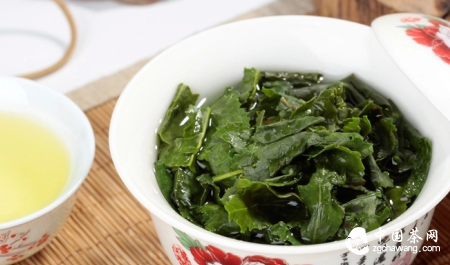
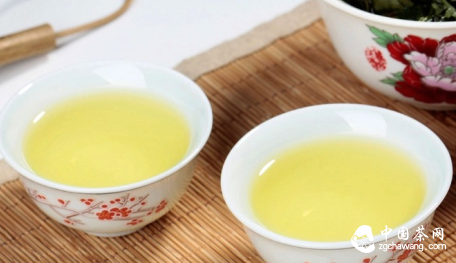
7. In terms of color, Anxi Tieguanyin's liquor is golden yellow,浓艳 (rich and bright) and clear. After brewing, the展开 (expanded) tea leaves at the bottom are thick, bright, and glossy (one characteristic of Anxi Tieguanyin leaves is that they curl from the front to the back), showing a silky luster. This is superior. A dark red liquor color is inferior.
8. Tieguanyin that is耐冲泡 (withstands multiple infusions) (where the aroma, taste, and liquor color remain consistent after multiple brews) and耐贮藏 (suitable for storage) is superior;反之 (conversely) is inferior.
9. At the same time, it is necessary to consider the specific circumstances of different seasons, different mountain origins, and different styles. Only in this way can Anxi Tieguanyin be evaluated more comprehensively!