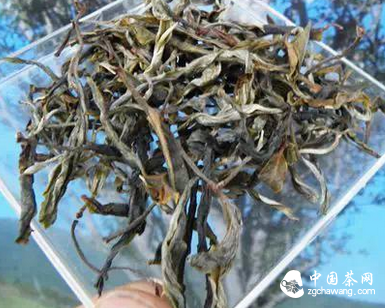
Tea is a traditional beverage in China. It contains large amounts of tannic acid, theophylline, caffeine, and small amounts of aromatic oils, various vitamins, chlorophyll, and other components. Drinking tea in moderation can promote saliva production, quench thirst, remove dampness, clear heat, refresh the mind, enhance brain function, alleviate illnesses, and lighten the body, which is greatly beneficial to human health. However, as a special beverage, tea has its inherent taboos. Medical experts warn that only drinking tea appropriately is a good habit for health care. 所谓适当,一是指茶水浓淡适中,一般用3克茶叶冲泡一杯茶为宜。茶水过浓,会影响人体对食物中铁等无机盐的吸收,引起贫血;二是控制饮茶数量,以一天8-10杯为宜,过量饮茶,会增加人体肾脏的负担;三是饮茶时间不要在饭前饭后一小时以内,否则会影响人体对蛋白质的吸收;四是应注意禁忌,以下患者不宜饮茶:
Anemia patients, especially those with iron-deficiency anemia. The tannic acid in tea can cause iron from food to form precipitates that are not absorbed by the body, often worsening the condition.
Patients with neurasthenia, hyperthyroidism, and tuberculosis. Because the caffeine in tea can increase basal metabolism, exacerbating the illness.
Patients with liver or kidney diseases. The caffeine in tea needs to be metabolized by the liver and kidneys. For those with impaired liver or kidney function, it is not conducive to the recovery of liver and kidney function.
Patients with kidney or urinary tract stones. The tannic acid in tea can lead to an increase in stones.
Pregnant women. Drinking too much tea can cause anemia, leading to low birth weight in newborns due to insufficient blood supply from the mother.
Breastfeeding women. Because the caffeine in tea can enter the infant's body through breast milk, causing spasms, irritability, and unexplained crying in the baby.
The following types of tea should not be drunk:
Strong tea: Contains large amounts of caffeine, theophylline, etc., which are highly irritating. Drinking strong tea can lead to insomnia, headaches, tinnitus, blurred vision, and is also bad for the stomach; some people may even experience nausea.
Moldy tea: Contains a large number of toxins.
Contaminated tea: Some contaminating odors are toxic, such as paint or camphor.
Over-roasted tea: Tea leaves that have been roasted excessively have lost their nutrients and taste bad.
Overnight tea: Especially tea that has changed flavor. Even if the changed flavor is not noticeable, it likely harbors a large number of bred bacteria.
Over-steeped tea: Tea steeped for too long releases many substances harmful to the human body.
Cold tea: Tea is best drunk warm. Cold tea can cause stagnation of cold and accumulation of phlegm.
Scalding hot tea: Tea is generally brewed with boiling water, but it should not be drunk when overly hot. Overly hot substances are extremely harmful to the human stomach and intestines.
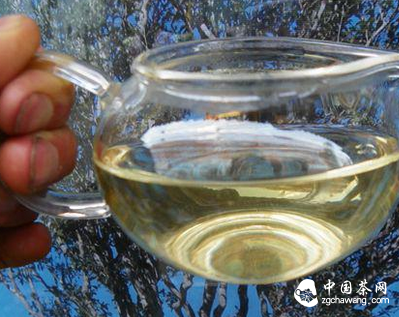
Love Drinking Tea? Remember to Wash Your Cup Frequently
Some regular tea drinkers like to have a thick layer of "tea stain" accumulated in their cups, seemingly to show they are "tea lovers." Some even believe that using tea ware with tea stains makes the tea more flavorful. In fact, tea stains are extremely harmful to human health. Therefore, medical experts warn: if you love drinking tea, don't forget to wash your cup frequently.
Scientific research shows that in humid environments, tea water quickly oxidizes to form brown tea rust, which contains various harmful metals such as cadmium, lead, mercury, and arsenic. Tea that has not been finished or stored for a long time, exposed to air, allows the tea polyphenols in the leaves to oxidize with the metal substances in the tea rust in the air, forming tea stains that adhere to the inner walls of the tea ware, accumulating thicker over time. Some have sampled and tested tea stains, finding that they also contain certain carcinogens, such as nitrites, which clearly pose a threat to human health.
Tea stains continuously enter the digestive system of tea drinkers who "drink tea frequently," easily combining with proteins, fatty acids, vitamins, and other substances in food to form various harmful compounds. This not only hinders the absorption and digestion of nutrients from food but also damages many organs.
Therefore, tea lovers should also wash their cups frequently. For cups with long-accumulated tea stains, repeated scrubbing with toothpaste can remove them completely; for teapots with tea stains, soaking in salt water overnight and then repeatedly rinsing while shaking can clean them thoroughly. Heating with rice vinegar or soaking with baking soda can also be used for cleaning.
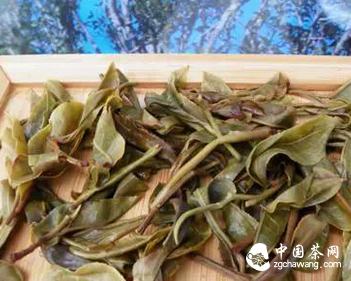
Tea Drunkenness: Theophylline is a central nervous system stimulant. Tea that is too strong or consumed in excessive amounts can easily cause "tea drunkenness": accelerated blood circulation, rapid breathing, and a series of adverse reactions. It disrupts the body's electrolyte balance, leading to abnormal enzyme activity and metabolic disorders. The intoxicating substances are caffeine and fluorides. After drinking several cups of strong tea, some people often experience sensory hypersensitivity, insomnia, headaches, nausea, unsteadiness, hand tremors, and decreased efficiency in fine work. This is actually the effect of excessive caffeine. Severe tea drunkenness can cause muscle tremors, heart rhythm disorders, and even convulsions or seizures, which are danger signals from the central nervous system, requiring immediate medical attention. Tea contains relatively high fluoride. Excessive accumulation of fluoride in the body can cause chronic poisoning. Main symptoms include tooth discoloration and defects, pain in the limbs, spine, bones, and joints throughout the body, general weakness, and in severe cases, impaired limb function, and deformation of bones and joints.
After tea drunkenness, eating more sugar can help alleviate symptoms. For severe cases, supplementing with calcium and vitamin D3 and getting more sun exposure to promote calcium absorption can also help.
Therefore, although tea is good, it should not be consumed excessively. Excess leads to the well-known principle: "Extremes meet." For example, no matter how good ginseng is, if a person eats too much ginseng every day, it will also cause nutritional imbalance.