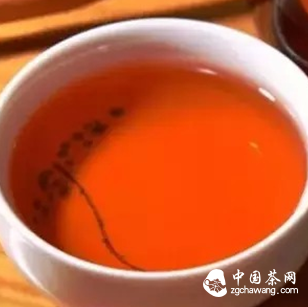
What is Lao Cha Tou?
With high pectin content, during the fermentation process of ripe Pu'er tea, the leaves naturally curl or clump together, forming Pu'er Lao Cha Tou.
Some tea enthusiasts say Pu'er Lao Cha Tou is the clumped tea formed during the 'wo dui' fermentation. Compared to strip-shaped tea, Lao Cha Tou within the normal fermentation range has richer contents, stronger tea soup, and is more resistant to brewing. However, even after many brews, most Lao Cha Tou clumps will not fully disperse and remain sticky together. As we know, ripe Pu'er tea undergoes artificial water sprinkling and 'wo dui' fermentation. During this process, the pile heats up in the center, and the tea leaves ferment through their own enzymes, gradually turning into ripe tea. Periodically, workers must turn the pile to prevent the internal temperature from getting too high and scorching the tea.
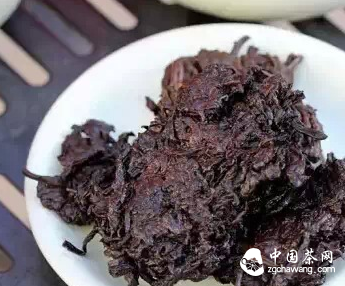
Fermentation and turning cause the tea leaves to secrete some pectin. Because pectin is quite sticky, some leaves stick together, forming clumps or lumps. After fermentation is complete, workers pick out these clumps, try to break them apart by hand, and return them to the tea pile. However, some are stuck too firmly. Forcing them apart would only break the leaves, so these are set aside separately, becoming 'lump tea,' known as 'Pu'er Lao Cha Tou.'
Appearance and Quality of Lao Cha Tou
Appearance: The dry Lao Cha Tou is brown in color, naturally curled and tightly formed into irregular lumps of varying sizes, relatively compact, and clean without other attachments.
Quality:
1. Aroma — Primarily aged fragrance.
2. Taste — Slightly mellow, smooth, sticky, and sweet in mouthfeel.
3. Soup Color — Bright red and translucent (in terms of hue, brightness, and clarity).
4. Tea Base — Reddish-brown or brown, elastic.
Characteristics and Benefits of Lao Cha Tou
In addition to the inherent qualities of ripe Pu'er tea, Lao Cha Tou contains richer pectin. Compared to regular ripe tea, the abundant pectin produces several special effects: First, it is extremely resistant to brewing. Second, the tea soup is mellow, smooth, and the color is bright and clear. Third, it has noticeable health benefits for the gastrointestinal tract: drinking it cools and quenches thirst, aids digestion, helps neutralize toxins from meat and alcohol, relieves fatigue, refreshes the mind, and assists in weight loss and lipid reduction.
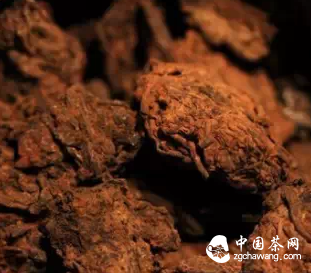
Selecting Pu'er Lao Cha Tou
Choose lumps that are relatively loose. Those compacted like stones are best avoided. The tea strands should be distinct, the surface clean, the aroma pure, the taste mellow, the soup color clear, and the flavor normal. Lao Cha Tou is not waste; if stored well and of good quality, it can be an excellent product. Manually breaking it apart is possible but results in significant loss and too much powder.
Brewing Lao Cha Tou
Lao Cha Tou is extremely resistant to brewing and can yield about 30 infusions. Due to its natural lump form, it's best to rinse it twice to help it open up. Depending on the tightness, each rinse can last 20-30 seconds. Use a gaiwan or a purple clay teapot with boiling water. Initially, the tea soup will be lighter, so steep longer according to preference. As it becomes stronger, shorten the steeping time. Some aged Lao Cha Tou may not fully disperse even after many brews, remaining sticky together, clearly showing the fermentation degree is heavier on the outside and lighter inside.
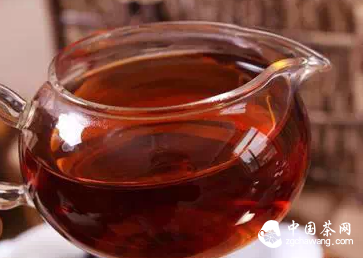
Brewing Lao Cha Tou is not limited to traditional tea ware; trying some modern tea utensils can also offer different pleasures during the process.
Brewing in a transparent glass pot: Listen to the bubbling sound, smell the faint tea aroma rising with the steam, watch the Lao Cha Tou tumble in the pot until the soup turns a rich, bright red, then pour. Steaming with a coffee machine: Slowly drip steam water over the Lao Cha Tou, completely separating tea and water. This results in a purer, clearer soup color, more thorough extraction of tea substances, and a richer taste.
Editor's Note:
For clean, well-aged Pu'er Lao Cha Tou, a quick rinse once is sufficient. For new Lao Cha Tou, a vigorous 20-second rinse or two 10-second rinses is recommended. Some aged Pu'er Lao Cha Tou may not disperse after multiple brews, but the tea strands should still be clear, and the fermentation degree evident. If the tea base appears red and muddy or the soup is extremely turbid, it's advised not to drink it! After brewing, mainly observe whether the soup color is bright and clear and whether there are any off or strange odors.