It is often said that one can taste the black tea flavor, but do you know what constitutes the true taste of black tea? And why does black tea have such a flavor?
【Sweetness】
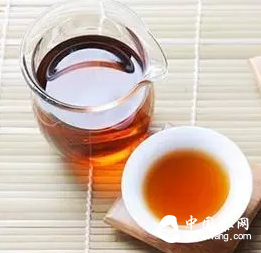
The sensation of sweetness when drinking black tea comes from two main categories: sugars and amino acids in the tea leaves. Black tea is a fully fermented tea type, made from suitable fresh tea buds and leaves through typical processes like withering, rolling, fermentation, and drying. During fermentation, extremely complex chemical reactions centered on the enzymatic oxidation of tea polyphenols occur. The chemical components in the fresh leaves change significantly, with tea polyphenols reduced by over 90%, giving rise to new components like theaflavins and thearubigins. Aromatic substances increase noticeably compared to the fresh leaves. Most sugar elements are converted into monosaccharides, while the amino acid content in the tea also increases. Therefore, black tea is characterized by a red dry leaf, red liquor, red infused leaf, and a sweet, mellow taste, making its sweetness more pronounced than other tea types.
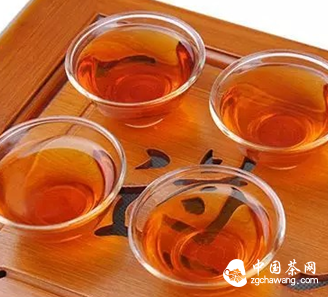
Generally, if the raw material is tender, the amino acid content in the tea leaves will be higher, resulting in a fresher and sweeter tea liquor, and vice versa. This is why, from the same tea plant and using the same black tea production techniques, the quality of Jin Jun Mei is entirely superior to that of Zheng Shan Xiao Zhong by one grade.
【Sourness】
Generally, tea leaves will have a certain sourness after fermentation. However, if the sourness in the tea liquor is very noticeable, it may be because the tea was piled too densely during fermentation or was over-fermented. Since black tea is fully fermented, over-fermentation or improper timing, followed by drying, can lead to sourness.
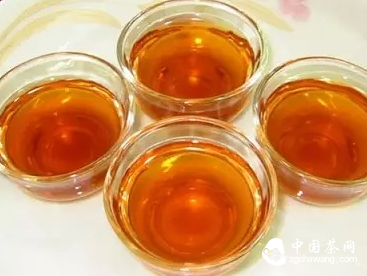
Additionally, if black tea is stored for too long, becomes damp, or is improperly preserved, it can develop a sour taste. Another factor is the water temperature during brewing, which also depends on the tenderness of the black tea. For black teas not tolerant of high temperatures, using water that is too hot can make the sourness more apparent.
Finally, regarding bitterness and astringency, compared to other tea types, the astringency of black tea is not so prominent. Generally speaking, human taste preferences are largely similar. Returning to the origin, probably no one likes a bitter and astringent taste. Bitterness and astringency occur because the tactile nerves on the surface of the mouth encounter undesirable substances and produce resistance, leading to a puckering sensation.
【Bitterness】
The main substances forming the bitter and astringent taste in tea liquor are catechins and caffeine. Catechins, commonly known as tea tannins, are unique components of tea, a type of polyphenol with bitter, astringent, and收敛性 properties. Caffeine is theine. It constitutes only 2%-5% in tea leaves and only 1%-2% in coffee beans. Therefore, its bitter成分 in tea leaves is several times higher than in coffee beans. However, since this component was first discovered in coffee, it is unfortunately called caffeine. Ideally, it should be named theine. Caffeine also carries bitterness and is an important component构成 tea liquor's taste.
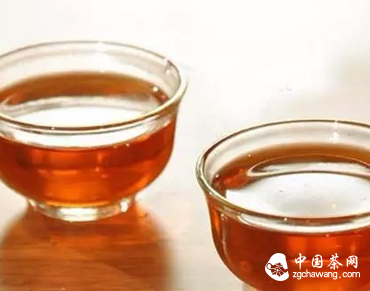
A very important property of caffeine is bitterness. Theanine and tea polyphenols in tea leaves can mask this bitterness. So, when measured, tea contains more caffeine, but coffee's bitterness is more direct. Comparing old tea leaves and tender buds, you'll find old leaves are more bitter while tender buds are not, yet测定 shows tender buds contain more caffeine. This is for the same reason: theanine and tea polyphenols in tender leaves cover up the bitterness.
Any tea liquor brewed from any tea leaves cannot be completely free of bitter and astringent tastes. They can only be reduced through appropriate cultivar selection, production processes, and brewing methods. Generally, black tea, through its fermentation process, greatly reduces astringency. Black tea with fine raw material selection and good production工艺 can基本 be tasted without noticeable bitterness or astringency. Of course, the degree of bitterness and astringency varies among different varieties of black tea. For example, high-quality Wuyishan Jin Jun Mei, due to its tender选料 and精细工艺, can minimize the sensation of bitterness and astringency to the greatest extent.