Tea Enthusiast's Story: From "Old Iron" to "Old Bush"
Fuzhou tea drinker A Dong is an out-and-out "tea trend follower," who loves fine tea and enjoys trying new flavors. He has followed all the popular tastes Tieguanyin has gone through—Xiaoqing, Tuosuan, Zhengwei—from light fragrance to robust fragrance, from new tea to aged tea. Recently, in his tea-drinking circle, "Old Bush Tieguanyin" is the latest trend.
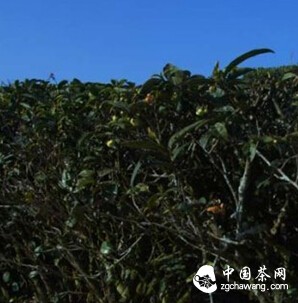
Old Tea Gardens in Lutian Tea Plantation
"It must be from old tea trees that are thirty to fifty years old, with high altitude and good origin, making tea with excellent charm." The tea tasting teacher A Dong follows is a seasoned tea enthusiast who just entered the tea industry. A Dong says this friend is currently searching for old bush Tieguanyin in Anxi.
Regarding why one should drink old bush tea, A Dong has his own见解. "Tea trees that have grown for a long time definitely have richer inner substance. After being processed with traditional techniques, they are very suitable for drinking or storing as aged Tieguanyin." The reporter learned that there are quite a few tea friends in Fuzhou like A Dong who follow trends in tea drinking.
However, the industry does not agree with the notion of old bush Tieguanyin.
Expert Opinion: Don't Blindly Chase "Old" for Tieguanyin
Tie Ge, Secretary-General of the Anxi Tea Association Fuzhou Branch, stated that new bush Tieguanyin has higher freshness, while old bush Tieguanyin has sweeter and more mellow liquor, each with its own characteristics. Just like people from youth to old age, appreciating it with a normal mindset and experiencing it from different angles, each stage has its own风采. But one should not swarm after the new, nor should one blindly pursue the old.
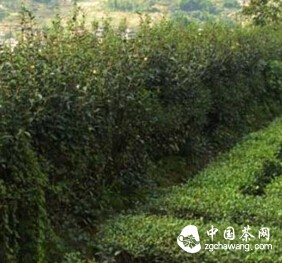
A Row of Old Tea Trees in Yutian Village, Changkeng Township, Tall and Neat
"Actually, there was no distinction between new bush and old bush for Anxi Tieguanyin in the past. It wasn't until the 1980s and 1990s when Anxi Tieguanyin started on the path of light fragrance that people began to emphasize new bushes, and tea garden area rapidly increased." Lin Qingxiu, with over twenty years of tea-making experience, believes that for modern工艺 Tieguanyin, using new bushes makes it easier to achieve the Guanyin charm.
"New bushes, because they have sufficient fertilizer during planting, have thick leaves and buds, suitable for making light fragrant型 Tieguanyin. Whereas the so-called old bush Tieguanyin tea trees have thinner leaves, making it very difficult to achieve the Guanyin charm." Lin Qingxiu said that the new bushes now used for light fragrant型 Tieguanyin are basically tea trees around three to five years old. "The general practice of tea farmers now is to replace these gradually aging tea trees after a few years and replant new tea trees."
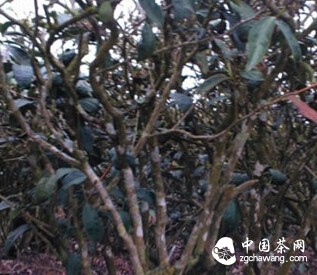
"The economic tree age of tea trees is 50 to 60 years. The prime period of tea trees is 15 to 20 years, during which tea yield is high and quality is good." Pan Wenyi, Vice President of the Fujian Tea Society, told the reporter, "Tea trees are not necessarily better the newer they are. If there is a long-term excessive pursuit of new bushes, it will greatly affect the leaf texture, color, and taste of Tieguanyin tea trees."
"In my understanding,所谓 old bush should reach over 50 years, meaning Tieguanyin tea trees planted in the 1960s and 1970s can be considered old bush. Moreover, this old bush must be in a relatively natural state, without too much human intervention." Pan Wenyi also has his own understanding of old bush.
"Traditional Tieguanyin focuses on the制作工艺, and mostly uses raw materials from tea trees in their prime period." Pan Wenyi said that Tieguanyin made with traditional工艺 is heavily fermented with "three parts red, seven parts green." The new工艺制作的 light fragrant型 Tieguanyin催生了 the demand for new bushes. "Actually, there's no need to be too deliberate about new bush or old bush. As long as it's the Tieguanyin cultivar, using suitable制作工艺 can produce good tea.过分追求 either one is偏颇."