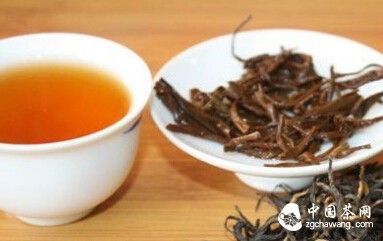
We all know that drinking tea has many benefits, but during women's "special periods," drinking tea casually may not be suitable. To help everyone drink tea correctly, Health Preservation Dark Tea Workshop explains the key knowledge points about women's tea consumption.
Menstrual Period: Menstrual blood contains relatively high levels of hemoglobin, plasma protein, and heme. Therefore, women during or after menstruation may consider eating iron-rich foods. Tea contains over 30% tannic acid, which hinders the intestinal mucosa's absorption and utilization of iron molecules. In the intestines, it easily binds with iron molecules in food, forming sediment and failing to provide blood-nourishing effects.
Pregnancy Period: Tea contains relatively rich caffeine. Drinking tea can accelerate a pregnant woman's heart rate, increase the burden on the heart and kidneys, increase urination, and potentially induce pregnancy poisoning. It is also detrimental to the healthy development of the fetus.
Pre-childbirth Period: Drinking tea during this period may cause palpitations and insomnia due to caffeine's effects, leading to decreased physical strength. It may also result in fatigue during delivery, causing difficulties in childbirth.
Breastfeeding Period: Tannic acid in tea is absorbed by the gastric mucosa and enters the bloodstream, producing an astringent effect that inhibits mammary gland secretion, leading to lactation obstacles. Additionally, due to caffeine's stimulating effects, mothers may not get sufficient sleep, and caffeine entering the baby's body through breast milk can cause intestinal spasms and unexplained crying in infants.
Menopause: After age 45, women enter menopause. Drinking strong tea during this period may not only cause emotional impulsivity but also symptoms such as fatigue, dizziness, insomnia, palpitations, dysmenorrhea, and menstrual disorders, potentially inducing other diseases.
Gargling with Strong Tea: Since women should avoid drinking tea during special periods, they may consider gargling with strong tea instead, which can yield unexpected benefits.
During menstruation, gargling with tea can make the mouth feel fresh and comfortable, eliminate bad breath, and provide a good mood during "inconvenient" days.
Pregnant women are prone to calcium deficiency. Gargling with tea during pregnancy can effectively prevent cavities and halt the progression of existing dental issues, protecting your beautiful teeth.
Before childbirth, gargling with tea can increase appetite, boost daytime energy, improve sleep quality at night, and enhance overall mental well-being.
During breastfeeding, gargling with tea can prevent gum bleeding, kill oral bacteria, maintain oral cleanliness, and improve milk quality.
During menopause, varying degrees of tooth loosening may occur, producing many anaerobic bacteria in the periodontal area. While there is no specific medication to kill these bacteria, gargling with tea can prevent and treat periodontitis.
Specific Method: Take 5 grams of high-quality Jasmine Tea, steep it in 40 ml of water for 30 minutes, then gargle with it three times (morning, noon, and evening). The water temperature for brewing should be between 80–90°C.