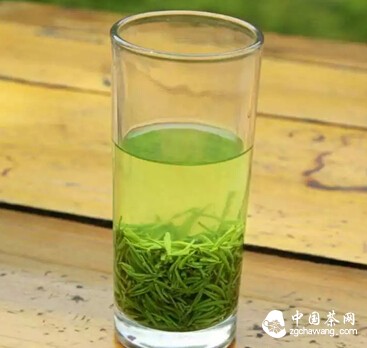
Xinyang Maojian is named for its slender, round, straight tips covered in white pekoe. It is renowned at home and abroad for its unique style of high aroma, rich flavor, and green liquor. Xinyang tea began in the Eastern Zhou Dynasty, gained fame in the Tang, flourished in the Song, peaked in the Qing, and has now flowed through a long history of over 2,300 years.
Xinyang tea was recorded as early as the Tang Dynasty. Lu Yu's Classic of Tea and Li Zhao's Supplement to the National History from the Tang Dynasty listed Yiyang tea among the famous teas of the time. In the Song Dynasty, the History of Song: Treatise on Food and Money and Emperor Huizong Zhao Ji's Treatise on Tea listed Xinyang tea as a famous tea. In the Yuan Dynasty, according to Ma Duanlin's Comprehensive Examination of Literature, "Guangzhou produces famous teas like Dongshou, Qianshan, and Boce." Records of famous teas are scarce from the Ming Dynasty. In the Qing Dynasty, tea leaf production recovered rapidly. The mid-Qing Dynasty was another period of rapid development for tea production in Henan Province. Tea-making techniques gradually became refined, and quality increasingly emphasized, leading to the emergence of the fine tea Xinyang Maojian in the late Qing.
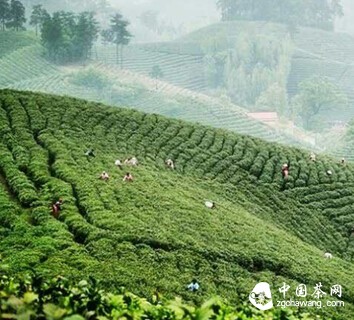
Production Area
The renowned production areas of Xinyang Maojian are the Five Clouds (Cheyun, Jiyun, Yunwu, Tianyun, and Lianyun mountains); Two Ponds (Heilong Pond and Bailong Pond); One Mountain (Zhenlei Mountain); One Stockade (Hejia Stockade); One Temple (Lingshan Temple).
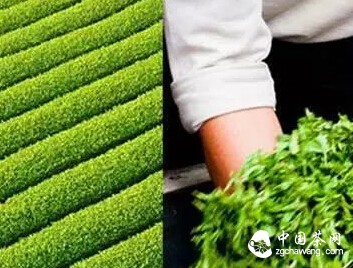
Harvesting
The harvesting period is divided into three seasons: spring tea around Grain Rain, summer tea around Grain in Ear, and autumn tea around Beginning of Autumn. Only a small amount of "Paoshanjian" is picked around Grain Rain, and "Yu Qian Maojian" (pre-rain Maojian) is regarded as a treasure.
Quality Characteristics
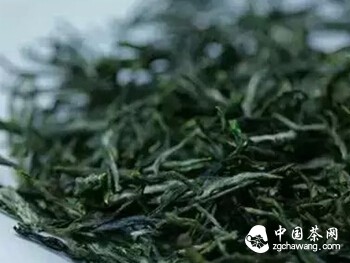
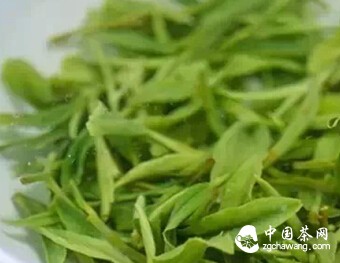
Xinyang Maojian has unique characteristics in color, aroma, taste, and shape. Its color is fresh, moist, and clean, free of impurities. Its aroma is elegant and fresh. Its taste is refreshing, mellow, and sweet with a lingering aftertaste. In appearance, it is even, bright green with luster, and has obvious white pekoe. The shape is fine, round, smooth, straight, with abundant pekoe, and emerald green in color. After brewing, the aroma is high and lasting, the taste is strong and mellow, sweet and refreshing, and the liquor is bright and clear. High-quality Xinyang Maojian has a tender green, yellowish-green, or bright liquor with a fresh, penetrating fragrance. Inferior Xinyang Maojian has a dark green or yellowish, turbid, dull liquor, does not withstand multiple infusions, and lacks tea fragrance.
Processing Steps
Sorting, Spreading, Primary Pan-frying, Secondary Pan-frying, Primary Drying, Cooling, Re-drying, Rough Tea Sorting, Re-drying again.
Identifying New Tea vs. Old Tea
Appearance
New tea has a bright color, greenish luster, a strong, fresh, and lively aroma, and obvious white pekoe. Old tea has a darker color, dull or even blackish luster, significant loss of white pekoe, a low and stuffy aroma, and no fresh taste.
Tea Liquor
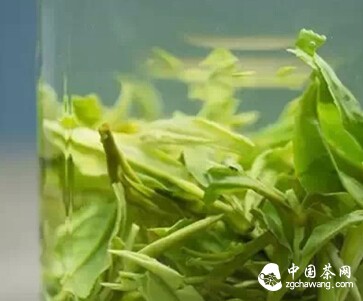
New tea liquor is fresh, light green, bright, with a fresh and lasting aroma, and a fresh, strong, and long-lasting taste. The brewed leaves are fresh green and clear. Old tea liquor is lighter in color, the aroma is lower and less refreshing, the taste is milder, the brewed leaves are not fresh green but dark, lacking brightness. If poorly stored, it turns yellowish within 5 minutes.
Distinguishing Authentic Maojian
Authentic Product
The liquor is tender green, yellowish-green, and bright. The aroma is high, refreshing, and clean. The taste is fresh, strong, mellow, and sweet with a lingering aftertaste. The buds and leaves grow alternately on the stem. The tender stems are round, leaf edges have fine serrations, and leaves are thick, green, and bright. Authentic Maojian, whether new or old, has a liquor偏向黄绿色 (leaning towards yellowish-green), and the taste varies with age, but is always refreshing.
Observing Shape
First, look at the shape of Xinyang Maojian. Regardless of grade, the tea should be even and free of non-tea impurities. The tea should be dry, making a rustling sound when handled, indicating low moisture content. Grab a handful of Xinyang Maojian and rub it firmly to feel its dryness. The moisture content of Xinyang Maojian is very strict, neither too high nor too low. The optimal standard moisture content should be around 6.5%.
Smelling the Aroma
Smell the aroma to see if it is fresh or has different varietal scents, and check for off-odors, burnt, sour, or miscellaneous smells.
Tasting the Tea
Chewing the dry Xinyang Maojian leaves yields a fresh, strong, and mellow taste. The best tea liquor taste is slightly bitter with a sweet aftertaste. The flavors of Xinyang Maojian are respectively bitter, astringent, sweet, and refreshing. Place a small amount on the tip of the tongue to taste until the taste buds perceive these four flavors brought by different effective components of the tea.
Inspecting the Tea Residue
Look at the spent tea leaves after drinking. They should be tender yellow, bright, relatively even, and free of impurities.