Anxi Tieguanyin spring tea is about to hit the market after the May Day holiday. Many tea enthusiasts are heading to Anxi in search of fine tea. High-quality tea is rare and precious, so when found, it is often eagerly purchased—the more, the better! However, if stored improperly, the tea can deteriorate, which would be a great waste. Today, we will share with fellow Tieguanyin fans how to store new Anxi Tieguanyin tea properly!
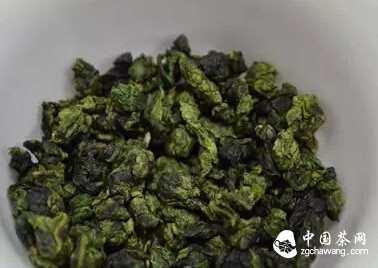
Keep Dry and Avoid Mixing
Whether packaged in composite film bags or tin cans, tea must be stored in a dry place. For loose tea, it should be packed in tea bags and placed in jars or containers with desiccants (such as un-slaked lime lumps), with the lid tightly sealed. If the quantity is small and the tea is very dry, it can also be sealed in two layers of moisture-proof film bags and stored in the refrigerator, separate from other foods.
Let Refrigerated Tea "Acclimatize" Before Brewing
"Teas stored in the refrigerator should be non-fermented green tea or semi-fermented teas like Tieguanyin. Fully fermented teas such as Pu'er and Dahongpao do not require refrigeration."
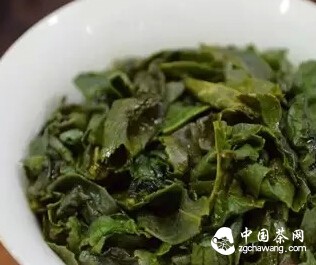
For Tieguanyin with a storage period of less than 6 months, refrigeration at 0°C–5°C is the most economical and effective. For storage exceeding 6 months, freezing (-10°C to -18°C) is recommended. It is advisable to use a dedicated refrigeration or freezing unit. If sharing storage with other foods, the tea must be fully sealed to avoid odor contamination.
Additionally, there are specific considerations when taking tea from the refrigerator for brewing. Ideally, the refrigeration or freezing unit should have a preparatory room. Tea containers should be placed in this room first to allow the tea temperature to gradually rise to match the ambient temperature before opening. This prevents moisture in the air from condensing on the cold tea leaves, which would increase their moisture content and accelerate quality deterioration.
If no preparatory room is available, tea taken from the refrigerator should be left at room temperature for a while to "acclimatize" before brewing.
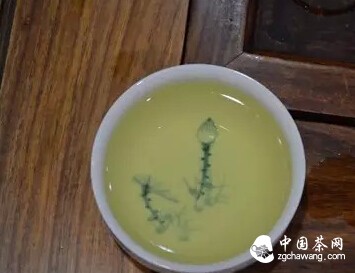
Regarding Tieguanyin storage, low temperature and vacuum sealing are generally required to preserve its color, aroma, and flavor in the short term. However, in practice, tea often loses its original quality even after a short storage period. Why does this happen? The reason lies in the drying level after fermentation. Current tea production techniques are shifting toward lighter fermentation. For example, teas from Gande are typical representatives. Light fermentation helps bring out a prominent orchid aroma and a pleasing tea soup color (resembling standard mung bean soup). However, to preserve this dry leaf aroma, the tea is usually not baked completely dry, retaining some moisture. Such tea requires strict low-temperature and sealed storage to minimize the effects of moisture. If the tea is baked very dry, feeling crisp and dry to the touch, it has lower requirements for low-temperature storage.
How should new Tieguanyin tea be stored? It's quite simple. First, keep it dry; second, store it at low temperatures (around 5°C). No matter how high the quality, improper storage will quickly cause the tea to darken in color and lose its aroma, affecting the drinking experience.